

1. The Importance of a Well-Crafted Dentist Resume
Embarking on a successful dentist career begins with crafting an impressive dentist resume. The importance of a well-crafted dentist resume cannot be overstated. It serves as your professional introduction, showcasing your skills, experience, and dedication to the field of dentistry. Whether you're a general dentist, a pediatric dentist, or an emergency dentist, your resume is your first opportunity to make a lasting impression on potential employers.
Think of your dental resume as a marketing tool. It's a snapshot of your achievements, competencies, and professional journey. A compelling resume can open doors to new opportunities and set you apart from other candidates. It's not just about listing your qualifications and experience; it's about telling your story in a way that resonates with employers.
Remember, employers often have to sift through dozens, if not hundreds, of resumes. A well-crafted resume will stand out, making it easier for employers to see your value. It should highlight your unique selling points, demonstrate your expertise, and reflect your passion for dental care.
Key takeaway: Investing time and effort into your dentist resume is an investment in your career. It's your ticket to a rewarding career in dental care, so make it count!
Stay tuned for the next section where we'll delve into how to highlight your experience and education on your dentist resume.
2. Highlighting Your Experience and Education
Now that we've established the importance of a well-crafted dentist resume, let's delve into the heart of the matter: highlighting your experience and education. These two facets form the backbone of your dental resume, providing potential employers with a clear picture of your capabilities and qualifications.
When detailing your professional experience, it's crucial to go beyond merely listing the places you've worked. Instead, focus on the impact you've made in each role. Did you introduce a new orthodontic technology that improved patient outcomes? Or perhaps you played a key role in a pediatric dentistry initiative that enhanced children's dental health in your community? These are the stories that will make your resume stand out. Remember, it's not just about what you've done, but how you've made a difference. 
As for your education, it's more than just the degrees you've earned. It's about the knowledge and skills you've acquired throughout your learning journey. Be sure to include any specialized training, such as pediatric dentistry or emergency dental care, as well as any research or projects that have contributed to your professional growth. 
Here's a tip: Use action verbs to bring your experience and education to life. Words like 'implemented', 'led', 'developed', and 'innovated' can add dynamism to your resume, making it more engaging for the reader.
Lastly, remember that your dental care career is a journey, not a destination. Continual learning and professional development are key to building a successful dentist career. So, don't be shy about including ongoing education or future plans for professional growth. It shows potential employers that you're committed to staying at the forefront of your field. 
In essence, your experience and education should paint a vivid picture of who you are as a dental professional. They should highlight your achievements, demonstrate your expertise, and reflect your commitment to excellence in dental care.
4. Including Relevant Certifications and Licenses
When it comes to dental resume writing, the inclusion of your certifications and licenses is crucial. This section of your resume serves as proof of your professional competence and legal clearance to practice dentistry. It's not just about listing your qualifications; it's about showcasing your commitment to continuous learning and adherence to industry standards.
Start by listing your dental degree, which is your primary qualification. Include the name of the institution and the year of graduation. For example, "DDS (Doctor of Dental Surgery), XYZ University, 2005".
Next, detail your state licensure. Remember, practicing dentistry without a license is illegal, so make sure to include this vital information. An example could be "Licensed Dentist, State of California, License #12345".
Specialty certifications, if any, should follow. If you're crafting a pediatric dentist resume or an emergency dentist resume, for instance, mention any relevant certifications. These could include Pediatric Dentistry Board Certification or Advanced Trauma Life Support (ATLS) Certification.
Don't forget to include any additional training or courses you've completed that could boost your dentist resume tips. These could range from Invisalign training for orthodontists to courses in dental implants or cosmetic dentistry.
Remember, your certifications and licenses are more than just formalities. They're a testament to your dedication to your dental care career and your commitment to providing the best possible care to your patients. So, make sure they shine on your impressive dentist CV.
5. Emphasizing Patient Care and Communication Skills
As you venture further into your successful dentist career, it's essential to remember that your technical skills, while vital, are only half of the equation. The other half lies in your ability to provide exceptional patient care and demonstrate excellent communication skills. These are the qualities that set apart a good dentist from a great one, and they should be clearly emphasized in your dental resume.
When crafting your dental resume, consider including a section dedicated to patient care. Here, you can highlight your commitment to providing a comfortable and anxiety-free environment for your patients. You might mention your expertise in pain management, your knack for making patients feel at ease, or your ability to explain complex procedures in a way that's easy for patients to understand. For example, "Skilled in utilizing advanced pain management techniques to ensure patient comfort during procedures."
Communication skills are equally important. Dentistry is a service profession, and being able to effectively communicate with your patients, their families, and your team is crucial. You could highlight this by saying, "Excellent communicator with a proven ability to explain dental procedures and treatment plans to patients of all ages."
Remember, your resume isn't just a list of your qualifications and skills. It's a reflection of who you are as a professional. By emphasizing your patient care and communication skills, you're showing potential employers that you're not just a skilled dentist, but also a compassionate caregiver. This can make a significant difference in your dental care career journey and help your impressive dentist CV stand out in a competitive job market.
Finally, consider including testimonials or feedback from patients if available. These can serve as powerful endorsements of your patient care and communication skills. For example, "Received consistently high patient satisfaction scores for my empathetic and patient-focused approach."
6. Tailoring Your Resume for Different Dental Specialties
Now that we've discussed the importance of showcasing your patient care and communication skills, let's delve into the art of tailoring your resume for different dental specialties. This is a crucial step in your dental resume writing journey, as it allows you to highlight the specific skills and experiences that make you an ideal candidate for the job at hand.
Whether you're a seasoned orthodontist like myself, a pediatric dentist, or an emergency dentist, your resume should reflect your unique expertise. For instance, if you're applying for a position as a pediatric dentist, your resume should highlight your experience working with children, your ability to make dental visits less intimidating for young patients, and your knowledge of child-specific dental issues. Similarly, an emergency dentist resume might emphasize your ability to handle high-pressure situations, make quick decisions, and provide immediate relief to patients.
Consider this: if you're a general dentist looking to transition into a more specialized role, such as orthodontics, your resume should reflect this. You might include a section detailing any relevant courses you've taken, orthodontic procedures you've performed, or any additional training you've received. For example, "Completed advanced training in orthodontic treatment planning and the application of braces and retainers".
Remember, the goal is to make it clear to potential employers that you're not just a capable dentist, but a specialist in your field. By tailoring your resume to the specific dental specialty you're applying for, you're showing your commitment to that area of dentistry and your readiness to excel in that role.
So, take the time to craft a resume that truly reflects your skills, experiences, and passion for your chosen specialty. It's an investment that can pay off in a big way as you continue to build your successful dentist career.
7. Tips for Writing a Standout Pediatric Dentist Resume
Let's now focus on crafting an impressive pediatric dentist resume. As a pediatric dentist, your role is unique and requires a distinct set of skills. Your resume should therefore reflect your expertise in providing dental care to children, from infants to teenagers. Here are some tips to help you create a standout pediatric dentist resume.
Highlight Your Pediatric Dental Experience: Start by detailing your experience in pediatric dentistry. This could include internships, residencies, or any other relevant work experience. Be sure to mention any specific procedures or treatments you've performed, such as applying sealants, treating dental caries in children, or managing dental trauma. 
Emphasize Your Child-Friendly Approach: One of the key qualities of a successful pediatric dentist is the ability to make children feel comfortable and safe. Highlight any strategies you use to create a positive dental experience for children, such as using child-friendly language, providing distractions, or explaining procedures in a way that children can understand. 
Include Relevant Certifications: If you have any certifications that are particularly relevant to pediatric dentistry, be sure to include them in your resume. This could be certification in Pediatric Advanced Life Support (PALS), or a diploma in pediatric dentistry. These certifications demonstrate your commitment to the field and your dedication to continuous learning. 
Detail Your Knowledge of Child-Specific Dental Issues: Lastly, your resume should demonstrate your understanding of dental issues specific to children. This could include early childhood caries, developmental issues affecting the teeth, or the management of teething. Showcasing this knowledge will reinforce your expertise in pediatric dentistry and make your resume more compelling. 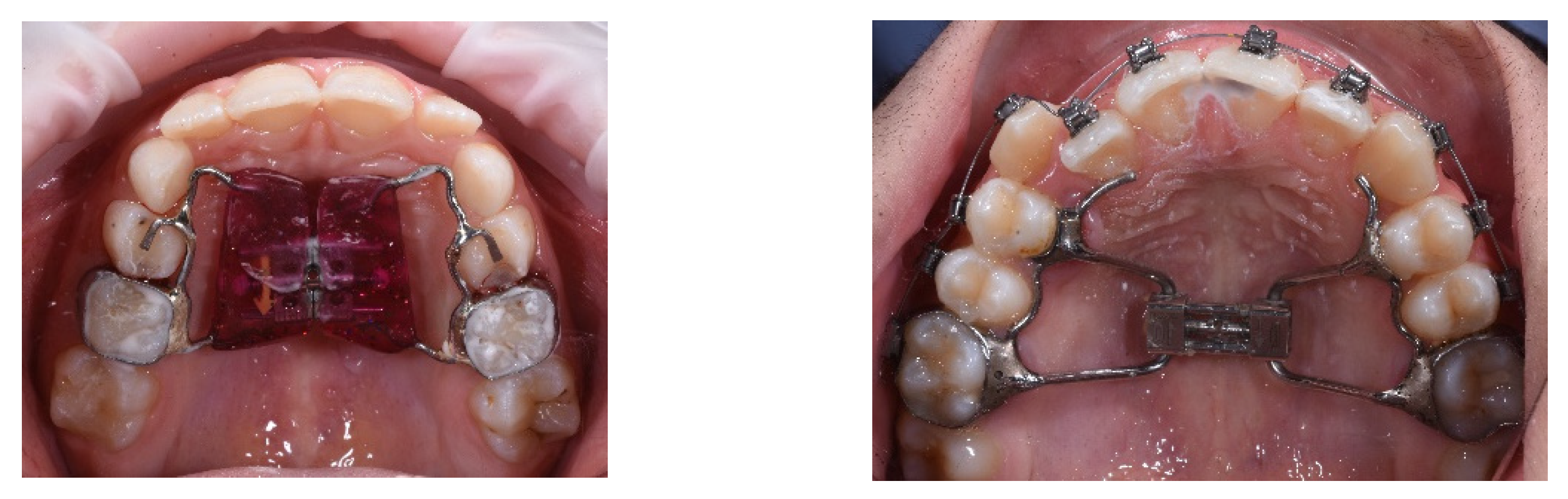
In essence, your pediatric dentist resume should paint a picture of a skilled, compassionate dentist who is well-versed in the unique dental needs of children. By following these tips, you can craft a resume that truly stands out and propels your dental care career forward.
3. Showcasing Your Experience and Specializations
When crafting your dental resume, it's crucial to highlight your unique experience and specializations. This section is your opportunity to showcase your professional journey and the specific areas of dentistry you excel in. Whether you're a seasoned pediatric dentist or an expert in emergency dental care, your resume should reflect your expertise.
Pediatric Dentist Resume Example:
For instance, if you're a pediatric dentist, your experience section might include details about your residency in pediatric dentistry, your years of practice, and any unique procedures or treatments you've mastered. You could mention how you've developed a calming chair-side manner to help children feel more comfortable during their visits. 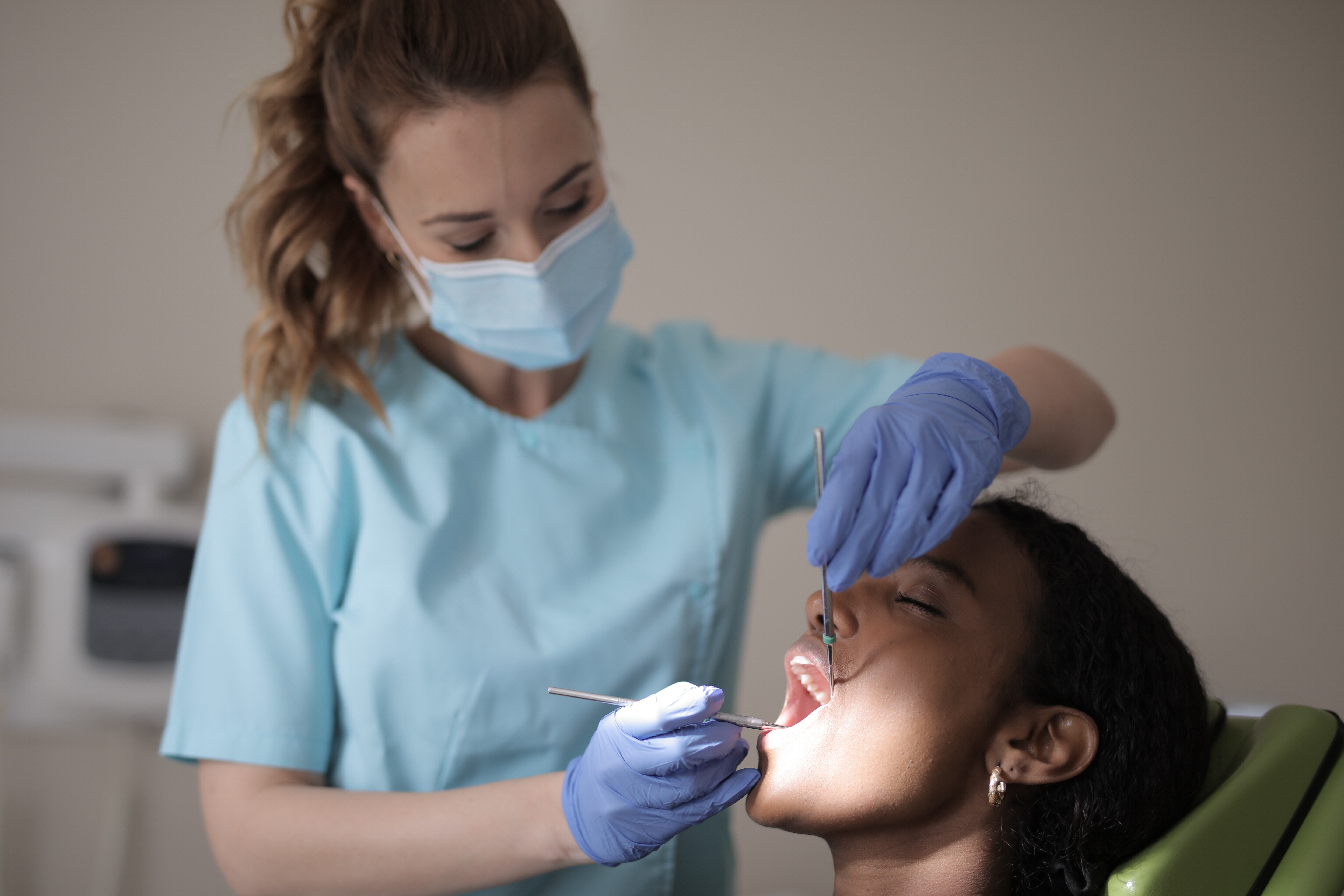
Emergency Dentist Resume Example:
As an emergency dentist, on the other hand, your resume should highlight your ability to handle high-pressure situations and provide immediate care. You could discuss your experience in treating dental emergencies like severe toothaches, knocked-out teeth, or broken crowns. 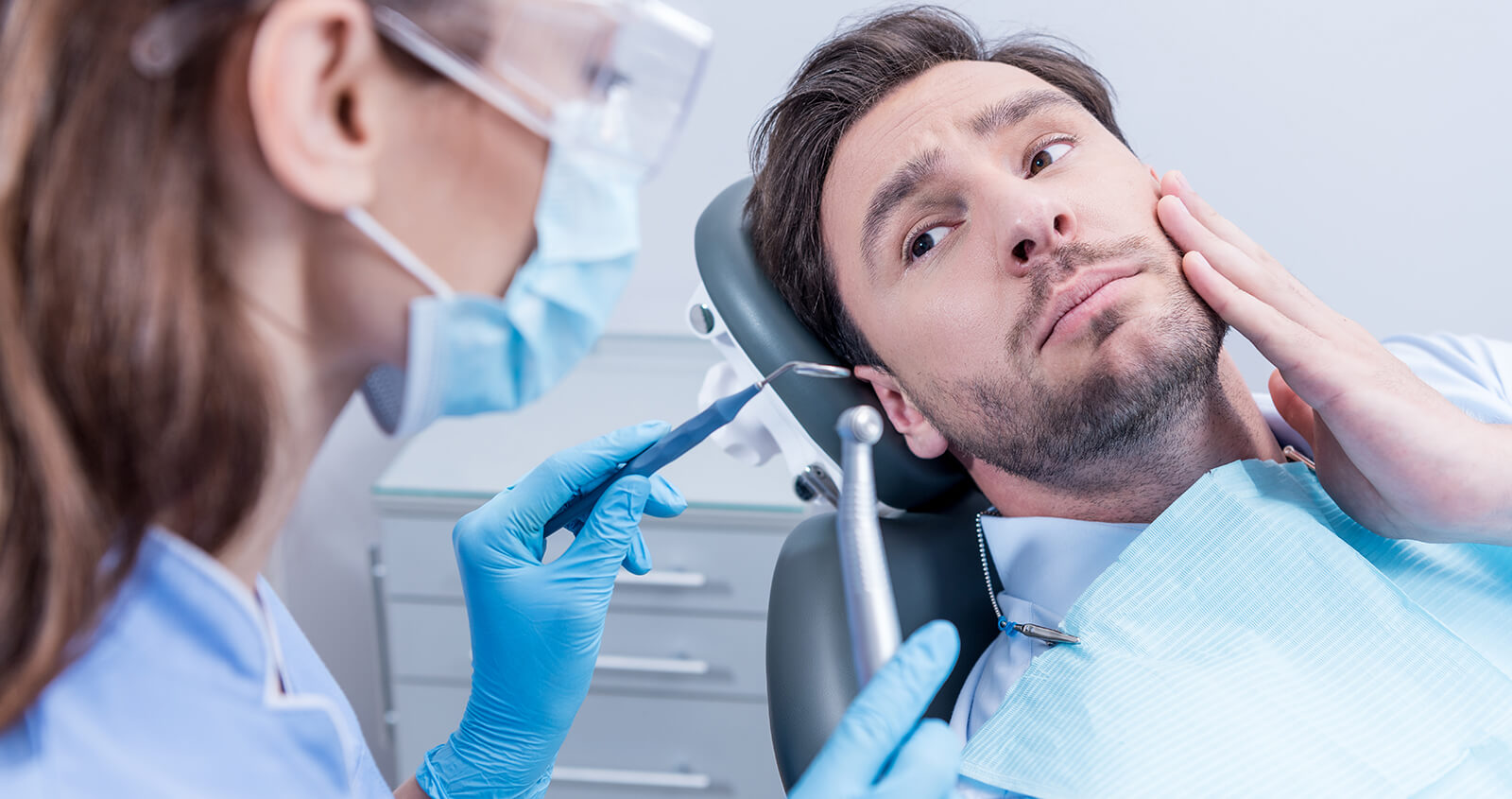
Remember, the goal is to make your dental care career guide as specific and detailed as possible. Don't just list your job duties—highlight the skills you've gained, the challenges you've overcome, and the successes you've achieved. This will help potential employers see the value you can bring to their practice.
Lastly, don't forget to include any relevant specializations in your field. If you're a certified orthodontist like myself, Dr. Mark Anderson, be sure to mention this in your resume. Showcasing your specialized training can set you apart from other candidates and demonstrate your commitment to ongoing education in the dental field.
4. Emphasizing Your Skills and Achievements
Section 4: Emphasizing Your Skills and Achievements
Now that we've covered your education, training, and experience, it's time to delve into the heart of your dental resume: your skills and achievements. This section is your chance to shine, to truly differentiate yourself from other candidates. Whether you're crafting a pediatric dentist resume or an emergency dentist resume, your unique skills and accomplishments are what will make you stand out.
Start by listing your technical skills. These could include proficiency in using specific dental software, experience with advanced dental equipment, or expertise in a particular procedure. For example, as an orthodontist, I, Dr. Mark Anderson, would highlight my skills in fitting braces and retainers, using imaging software to plan treatments, and managing complex orthodontic cases.

Next, consider your soft skills. Dentistry isn't just about technical ability—it's also about communication, empathy, and problem-solving. You might want to mention your ability to put anxious patients at ease, your excellent bedside manner, or your knack for explaining complex procedures in simple terms.
Then, it's time to showcase your achievements. Have you received any awards or recognitions? Have you published research in respected dental journals? Have you implemented a new system or procedure that improved patient care or practice efficiency? These are all worth mentioning on your impressive dentist CV.

Remember, your achievements are proof of your skills in action. They show potential employers not just what you can do, but what you've already accomplished. So don't be modest—this is your chance to showcase your successful dentist career and the value you can bring to a new practice.
Stay tuned for the next section, where we'll discuss the importance of including relevant certifications and licenses in your dental resume.
5. Including Relevant Certifications and Licenses
Section 5: Including Relevant Certifications and Licenses
As we continue our journey in crafting an impressive dentist resume, we now turn our attention to a critical component: your certifications and licenses. These are the official stamps of approval that demonstrate your competence and dedication in the field of dentistry. They not only validate your skills and knowledge but also assure potential employers of your commitment to professional growth and adherence to industry standards.
Certifications are typically awarded by professional bodies and organizations. They indicate that you have undergone additional training and have mastered specific skills or areas of expertise. For example, a pediatric dentist might hold a certification in Pediatric Advanced Life Support (PALS), while an orthodontist like myself, Dr. Mark Anderson, might have a certification in Invisalign treatment. Including these in your dental resume underscores your specialized knowledge and sets you apart from other candidates.
Licenses, on the other hand, are mandatory for practicing dentistry. They are issued by state dental boards and require passing a series of exams. Your dental license shows that you are legally permitted to provide dental care services. Whether you're writing a pediatric dentist resume or an emergency dentist resume, be sure to clearly state your license number and the state where you're licensed.

Remember, your certifications and licenses are not just pieces of paper. They are testaments to your competence, dedication, and professional standing. By including them in your dental resume, you are telling potential employers that you are fully qualified and ready to deliver top-notch dental care. So, make sure they are prominently displayed and easy to find on your impressive dentist CV.
Stay tuned for the next section, where we'll talk about tailoring your resume to the dental care industry.
6. Tailoring Your Resume to the Dental Care Industry
Section 6: Tailoring Your Resume to the Dental Care Industry
Now that we've covered the importance of showcasing your education, experience, skills, achievements, and certifications, let's delve into the art of tailoring your resume to the dental care industry. This is a crucial step in dental resume writing that can significantly increase your chances of landing your dream job.
Firstly, it's essential to understand that each dental specialty has its unique demands. For instance, a pediatric dentist resume should highlight skills such as patience, communication, and the ability to make children feel comfortable. On the other hand, an emergency dentist resume might emphasize quick decision-making, resilience, and the ability to handle high-pressure situations.
As an orthodontist with over 15 years of experience, I, Dr. Mark Anderson, can tell you that understanding the specific needs of your target role and tailoring your resume accordingly is key to a successful dentist career. Don't just list your skills and experiences; connect them to the job requirements. Show potential employers how your unique abilities can meet their specific needs.
Another crucial aspect of tailoring your resume is using industry-specific language. Use dental jargon and terms that are commonly used in the field. This not only shows your familiarity with the industry but also helps your resume get past Applicant Tracking Systems (ATS) that many dental offices use to filter resumes.
Lastly, remember to highlight any experiences or skills that demonstrate your commitment to patient care and comfort. After all, at the heart of the dental care industry is the desire to help people maintain their oral health and create beautiful smiles.
By tailoring your resume to the dental care industry, you are not just crafting an impressive dentist CV; you are paving your way to a fulfilling dental care career.
Stay tuned for our next section, where we'll share some formatting and design tips to make your dentist resume stand out even more.
7. Formatting and Design Tips for an Impressive Dentist CV
Section 7: Formatting and Design Tips for an Impressive Dentist CV
Now that we've discussed the content of your dentist resume, let's move on to the presentation. The design and formatting of your CV can play a significant role in making a lasting impression on potential employers. Here are some tips to help you create a visually appealing, easy-to-read, and professional-looking dentist CV.
Keep it Simple and Clean: The design of your CV should be simple and clean. Avoid using too many colors or overly decorative fonts. Instead, opt for a professional and easy-to-read font like Arial or Times New Roman. Use bullet points to list your skills, experiences, and achievements. This makes your CV easier to skim and highlights your key qualifications. 
Use a Consistent Format: Consistency is key when it comes to formatting your CV. Ensure that your headings, subheadings, bullet points, and text are consistently formatted. This not only enhances readability but also gives your CV a polished and professional look. 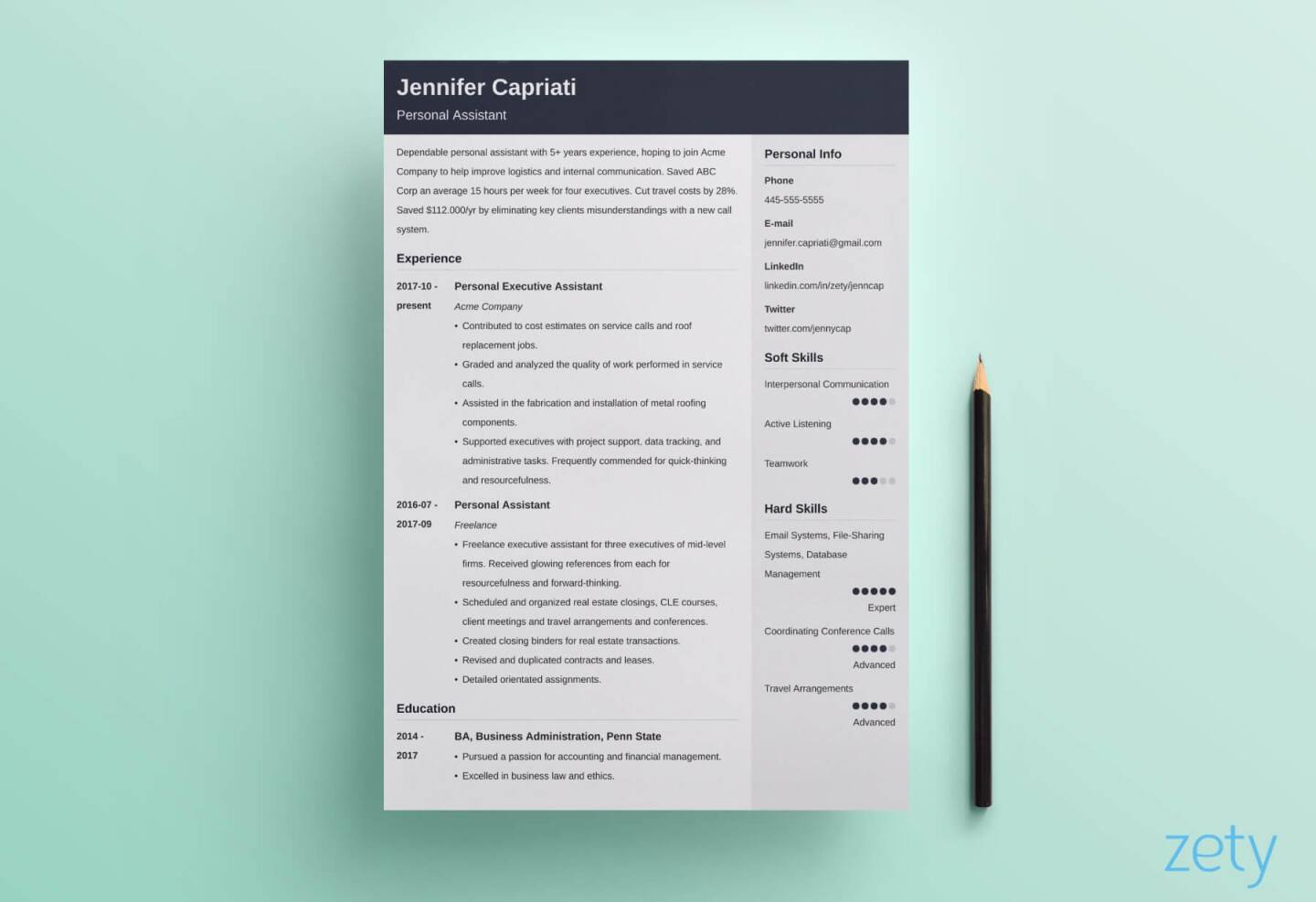
Highlight Important Information: Use bold or italic text to highlight important information such as your name, contact information, and key skills or achievements. However, use these formatting options sparingly to maintain a clean and professional look. 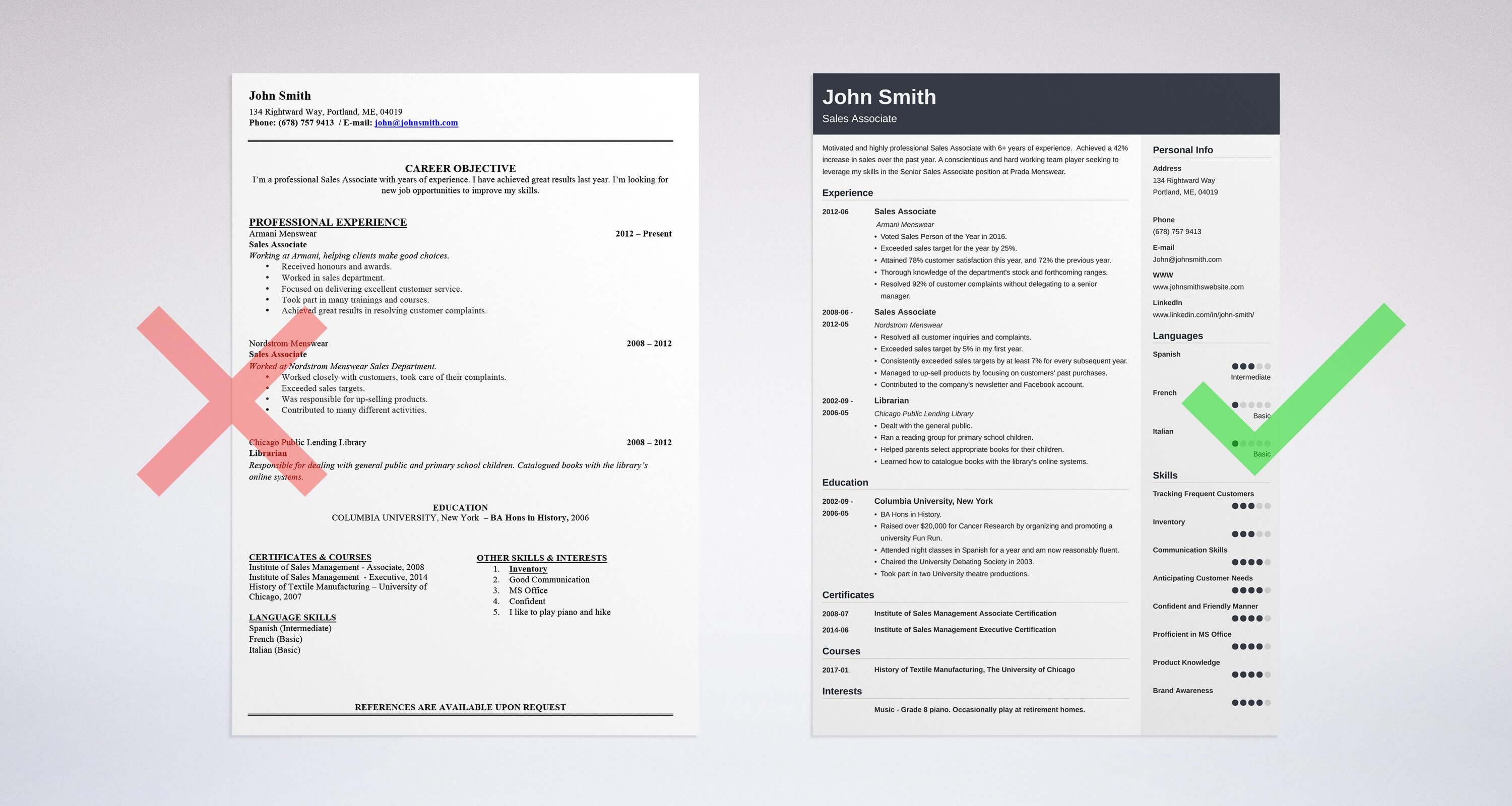
Use White Space Wisely: White space can help break up the text on your CV and make it easier to read. However, too much white space can make your CV look sparse. Balance is key. Ensure that your CV is not too text-heavy or too empty. 
Proofread: Lastly, don't forget to proofread your CV for any spelling or grammar mistakes. A CV with errors can leave a negative impression on potential employers. Consider asking a trusted colleague or professional resume writer to review your CV for any mistakes. 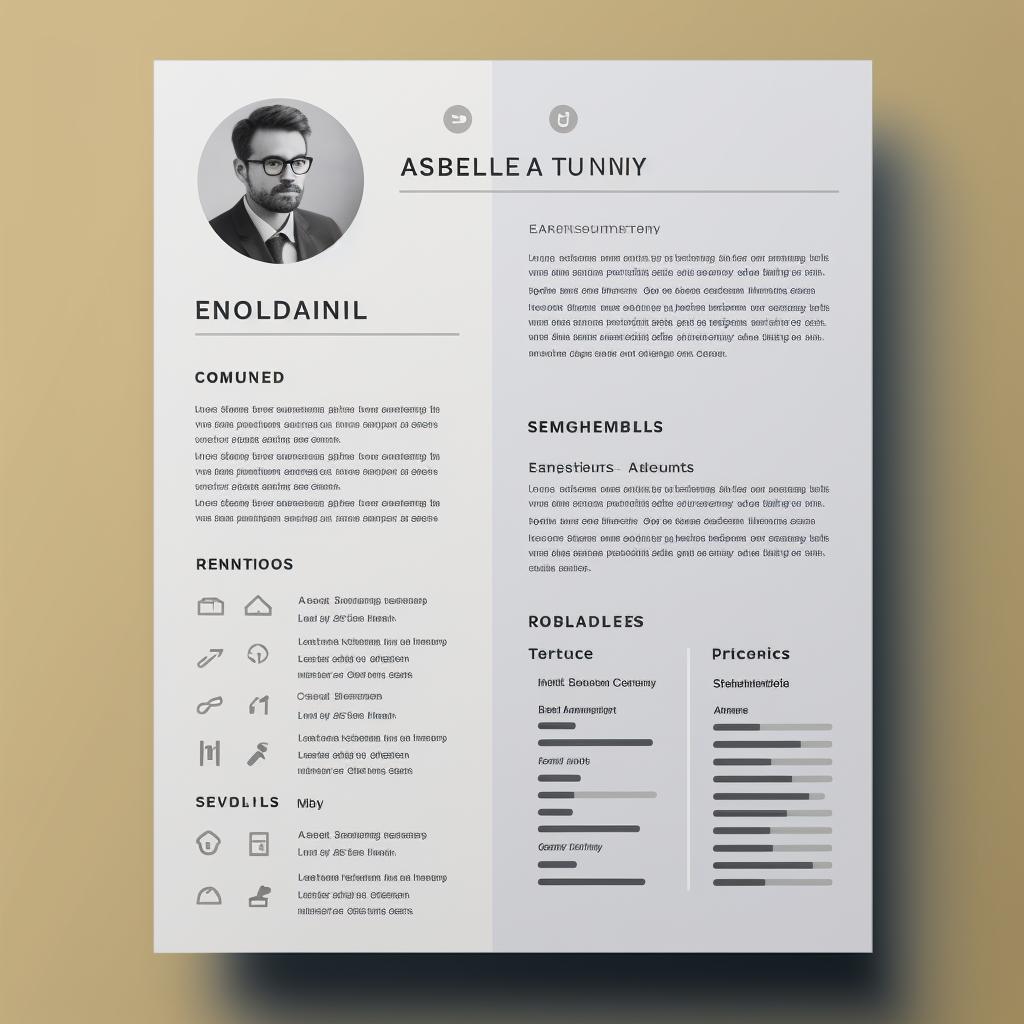
Remember, your dentist CV is a reflection of your professionalism. A well-formatted and designed CV can help you stand out from the crowd and pave your way to a successful dentist career.
1. Understanding the Importance of a Well-Crafted Dentist Resume
Embarking on a successful dentist career begins with a single, crucial step: crafting an impressive dentist resume. This document serves as your professional introduction, a snapshot of your skills, experience, and qualifications. It's your first chance to make an impression, and as the saying goes, you never get a second chance to make a first impression.
Think of your dentist resume as a marketing tool. It's your opportunity to sell yourself to potential employers, to show them why you're the best candidate for the job. Whether you're a seasoned professional or a recent graduate, whether you're applying for a position in pediatric dentistry or emergency dental care, a well-crafted resume can open doors and pave the way for a rewarding career in dentistry.
But what makes a dentist resume "well-crafted"? It's not just about listing your degrees and certifications, though those are certainly important. It's about presenting a comprehensive picture of who you are as a professional. It's about highlighting your unique strengths and skills, your dedication to patient care, and your commitment to staying current in a rapidly evolving field.
So, how do you create a resume that does all that? In the following sections, we'll delve into the specifics, offering dentist resume tips and guidance to help you build a document that truly reflects your capabilities and potential.
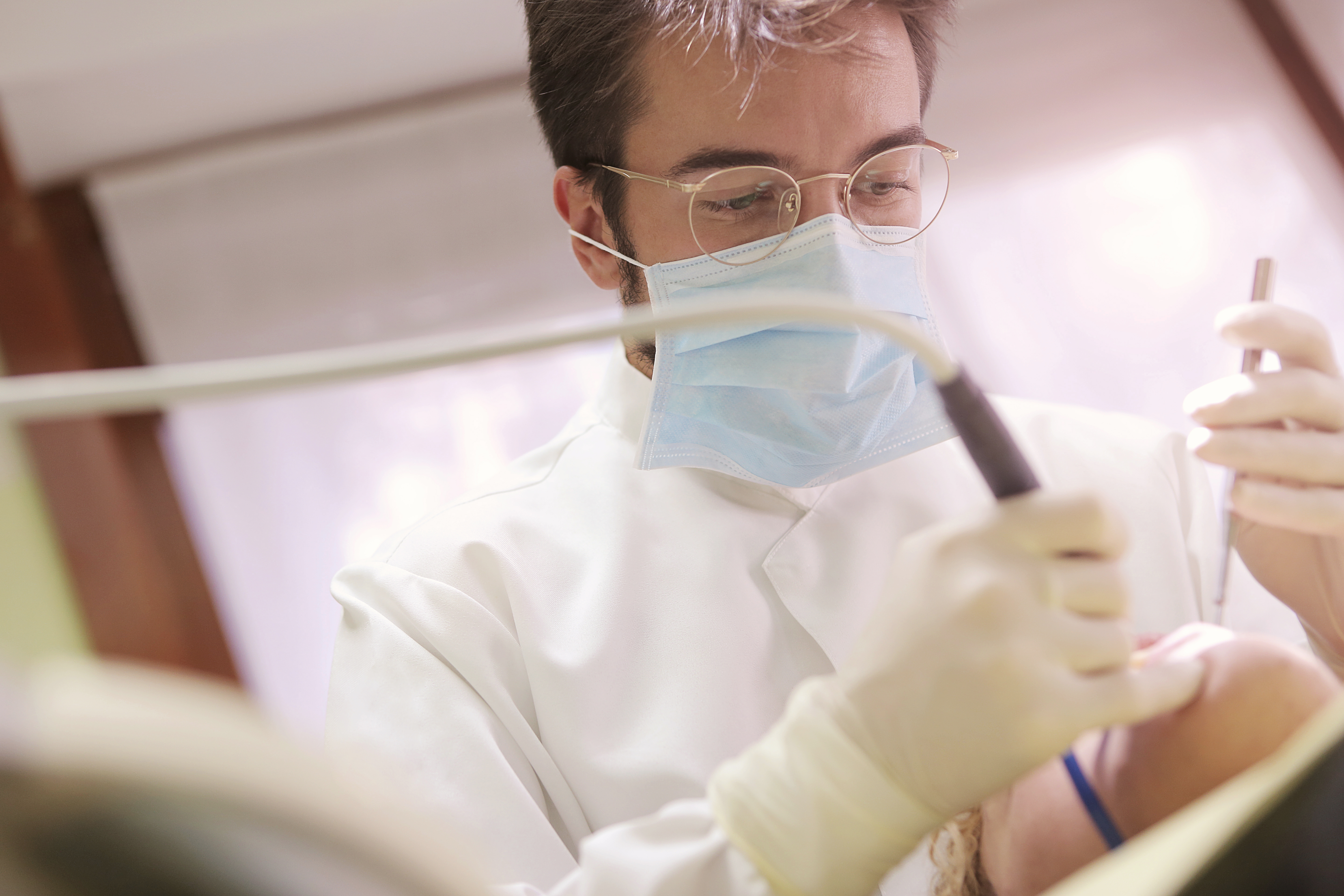
Remember, your dental resume writing journey is a reflection of your professional journey. It's a chance to showcase your passion, your expertise, and your dedication to providing top-notch dental care. So, let's get started on crafting that perfect dentist CV!
2. Highlighting Your Education and Training
Now that we've established the significance of a well-crafted dentist resume, let's delve into the first key element: your education and training. This section is your chance to highlight your academic achievements and the specialized training you've undergone to become a skilled dental professional.
Start by listing your degrees in reverse chronological order, beginning with the most recent. Include the name of the institution, the location, and the date of graduation. For example, "Doctor of Dental Surgery (DDS), Harvard School of Dental Medicine, Boston, MA, 2010". This gives potential employers an immediate insight into your academic background and the foundation of your dental knowledge.
But your education doesn't stop at graduation. Dentistry is a field that requires continuous learning and adaptation to new technologies and treatment methods. Therefore, it's crucial to also highlight any post-graduate training, residencies, or fellowships you've completed. This could range from a pediatric dentistry residency to an emergency dentist training program.
Remember to be specific about the skills and knowledge you gained during these training programs. For instance, if you completed a residency in orthodontics like Dr. Mark Anderson, you might write, "Completed a three-year residency in orthodontics at XYZ University, gaining extensive experience in the latest orthodontic treatment techniques and technologies."
By emphasizing your education and training, you're not just listing qualifications. You're showing potential employers your commitment to mastering your craft and staying at the forefront of your field. This is a key step in building a successful dentist career and crafting an impressive dentist CV.

3. Showcasing Your Clinical Experience and Skills
Moving on to the next critical component of your dental resume: showcasing your clinical experience and skills. This section is your opportunity to demonstrate your hands-on experience in the dental field and the practical skills you've honed over the years. It's where you can truly bring your dental care career to life.
Start by listing your professional experience in reverse chronological order, similar to your education section. For each role, include the job title, the name and location of the practice or hospital, and the dates of employment. For example, "Pediatric Dentist, ABC Children's Dental Clinic, San Francisco, CA, 2015-2020".
But don't stop there. Each job listing should be accompanied by a bullet-point list of responsibilities and achievements. This is your chance to highlight the specific skills you've developed and the impact you've made in each role. For instance, "Managed a diverse caseload of pediatric patients, implementing preventative care strategies and conducting routine check-ups and treatments."
Remember to use action verbs to start each bullet point and quantify your achievements where possible. This could be the number of patients you treated, the percentage by which you improved patient satisfaction, or the number of complex procedures you performed.
For example, "Performed over 500 successful orthodontic procedures, including braces, retainers, and corrective surgeries." Or, "Improved patient satisfaction by 20% through effective communication and personalized care strategies."
As a dentist, your clinical experience and skills are your greatest assets. By showcasing them effectively on your resume, you can illustrate your capabilities and make a strong case for why you'd be an asset to any dental practice. This is a vital step in crafting a successful dentist career and an impressive dentist CV.
4. Emphasizing Your Specializations and Certifications
Now that we've covered your education, training, and clinical experience, let's delve into the heart of what sets you apart as a dental professional: your specializations and certifications. This section of your dental resume is where you get to shine a spotlight on your unique skills and expertise. Whether you're crafting a pediatric dentist resume, an emergency dentist resume, or any other specialty, this is where you can truly distinguish yourself.
Start by listing your specializations. As a dentist, you could specialize in areas like orthodontics, periodontics, endodontics, or pediatric dentistry. For example, "Specialization: Orthodontics - Passionate about creating perfect smiles through advanced orthodontic procedures."
Next, detail any certifications you've earned. These could be from recognized dental associations or boards, such as the American Board of Orthodontics or the American Academy of Pediatric Dentistry. For instance, "Certified Pediatric Dentist, American Academy of Pediatric Dentistry, 2015". Remember to include the year you obtained each certification.
It's also worth mentioning any advanced training programs or courses you've completed. This could be a course in dental implantology, cosmetic dentistry, or dental sedation. For example, "Completed Advanced Training in Dental Implantology, XYZ Dental Institute, 2018".
By emphasizing your specializations and certifications, you're not just listing your qualifications. You're telling potential employers that you have a deep and specific expertise, a commitment to your field, and a proven ability to meet high standards of care. This is a powerful way to demonstrate your value and make your dentist resume truly impressive, paving the way for a successful dentist career.
5. Including Relevant Professional Memberships and Associations
Moving forward, another essential aspect of crafting a compelling dental resume is including your professional memberships and associations. This section is a testament to your active engagement in the dental community, showcasing your commitment to staying abreast of the latest advancements in dental care. It also reflects your dedication to upholding the highest standards of professional ethics and patient care.
For instance, if you're a member of the American Dental Association (ADA), the American Academy of Pediatric Dentistry (AAPD), or the American Association of Orthodontists (AAO), be sure to mention these memberships on your resume. You can format this information as follows: "Member, American Dental Association, 2010 - Present".
Being part of these esteemed organizations not only enhances your credibility but also demonstrates your ongoing commitment to your field. It shows potential employers that you're part of a larger network of professionals dedicated to advancing the field of dentistry. This can be particularly impactful when crafting a pediatric dentist resume or an emergency dentist resume, as these specialties often require a high degree of collaboration and continuous learning.
Furthermore, if you hold any leadership roles within these associations, such as a committee chair or board member, don't forget to highlight these positions. This can underscore your leadership skills and your active involvement in shaping the future of dental care.
In essence, your professional memberships and associations are a reflection of your dedication to your dental care career. Including them in your dentist resume can help you stand out as a committed, knowledgeable, and connected professional, further enhancing your chances of building a successful dentist career.
6. Demonstrating Your Commitment to Continuing Education
As we transition into the sixth key element of crafting an impressive dentist CV, let's focus on Demonstrating Your Commitment to Continuing Education. This is a crucial aspect that potential employers look for, as it signifies your dedication to staying updated with the latest advancements in dental care and orthodontic technology.
Continuing education is not just about acquiring new skills; it's about demonstrating your passion for the field and your commitment to providing the best possible care to your patients. This is especially important when crafting a pediatric dentist resume or an emergency dentist resume, where staying current with the latest treatment options and techniques can make a significant difference in patient outcomes.
There are numerous ways to showcase your commitment to continuing education on your dental resume. For instance, you can list any additional training or certifications you've obtained, such as Invisalign certification or training in pediatric sedation dentistry. 
Another way to demonstrate your commitment is by mentioning any dental seminars, workshops, or conferences you've attended. These events are excellent opportunities to learn about the latest research and trends in dentistry, and they show potential employers that you're proactive about your professional development. 
Lastly, if you've contributed to any dental publications or have been involved in any research projects, make sure to include these details on your resume. This not only highlights your expertise but also shows your active contribution to the advancement of the dental field. 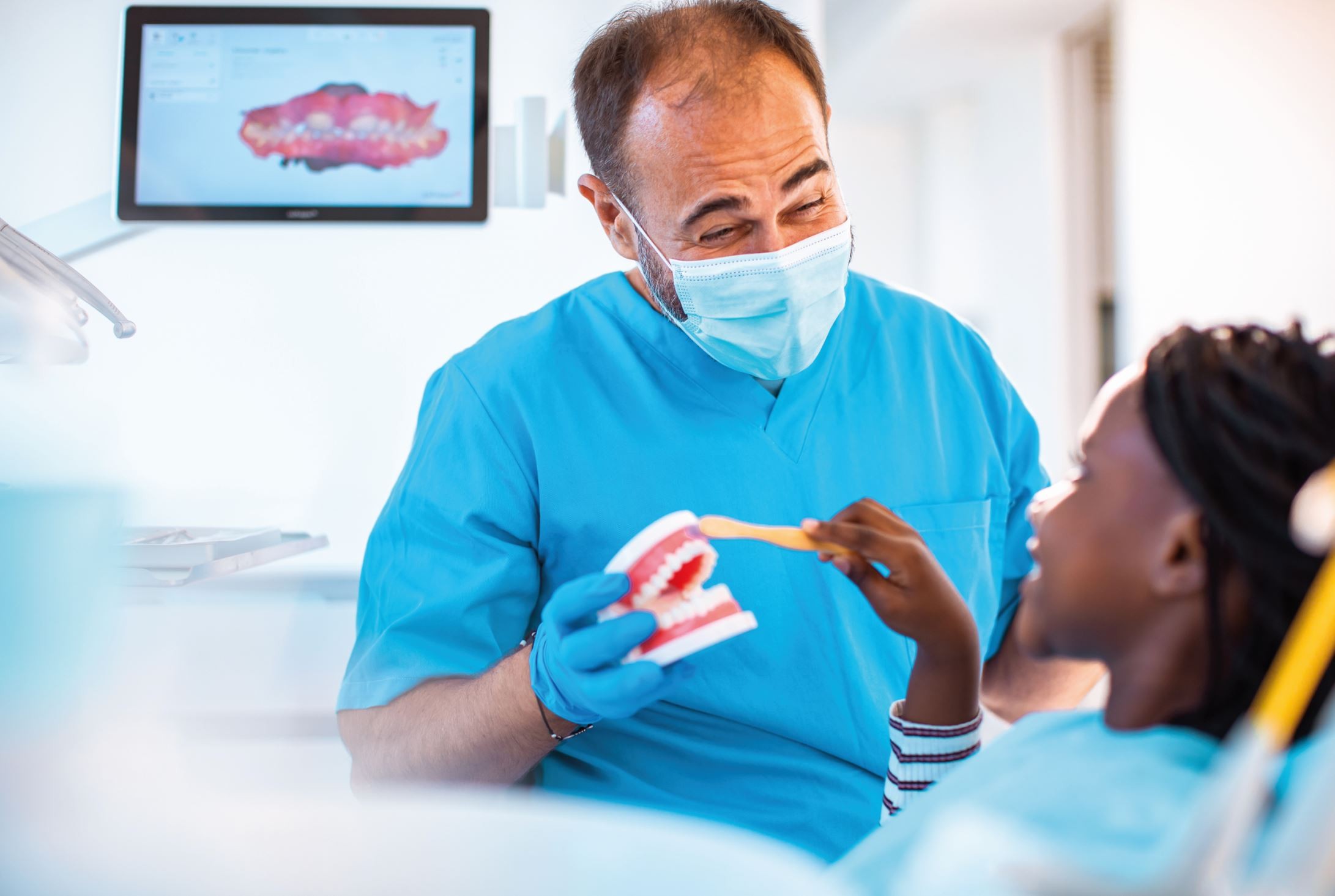
In essence, your commitment to continuing education is a testament to your dedication to excellence in dental care. By highlighting this on your dentist resume, you can position yourself as a lifelong learner and a passionate professional, enhancing your chances of building a successful dentist career.
7. Incorporating Patient Care and Communication Skills
As we delve into the seventh crucial element of crafting an impressive dentist CV, we turn our attention to Incorporating Patient Care and Communication Skills. This aspect is a cornerstone of any successful dentist career, whether you're preparing a pediatric dentist resume or an emergency dentist resume. It's not just about your technical expertise; it's equally about your ability to interact effectively with patients, empathize with their concerns, and provide them with the best possible care.
When you're writing your dental resume, it's essential to highlight your patient care skills. This could include your ability to make patients feel comfortable, your expertise in managing patient anxiety, or your knack for explaining complex dental procedures in an understandable way. Remember, dentistry is a service-oriented profession, and your ability to provide exceptional patient care is a significant part of your job.
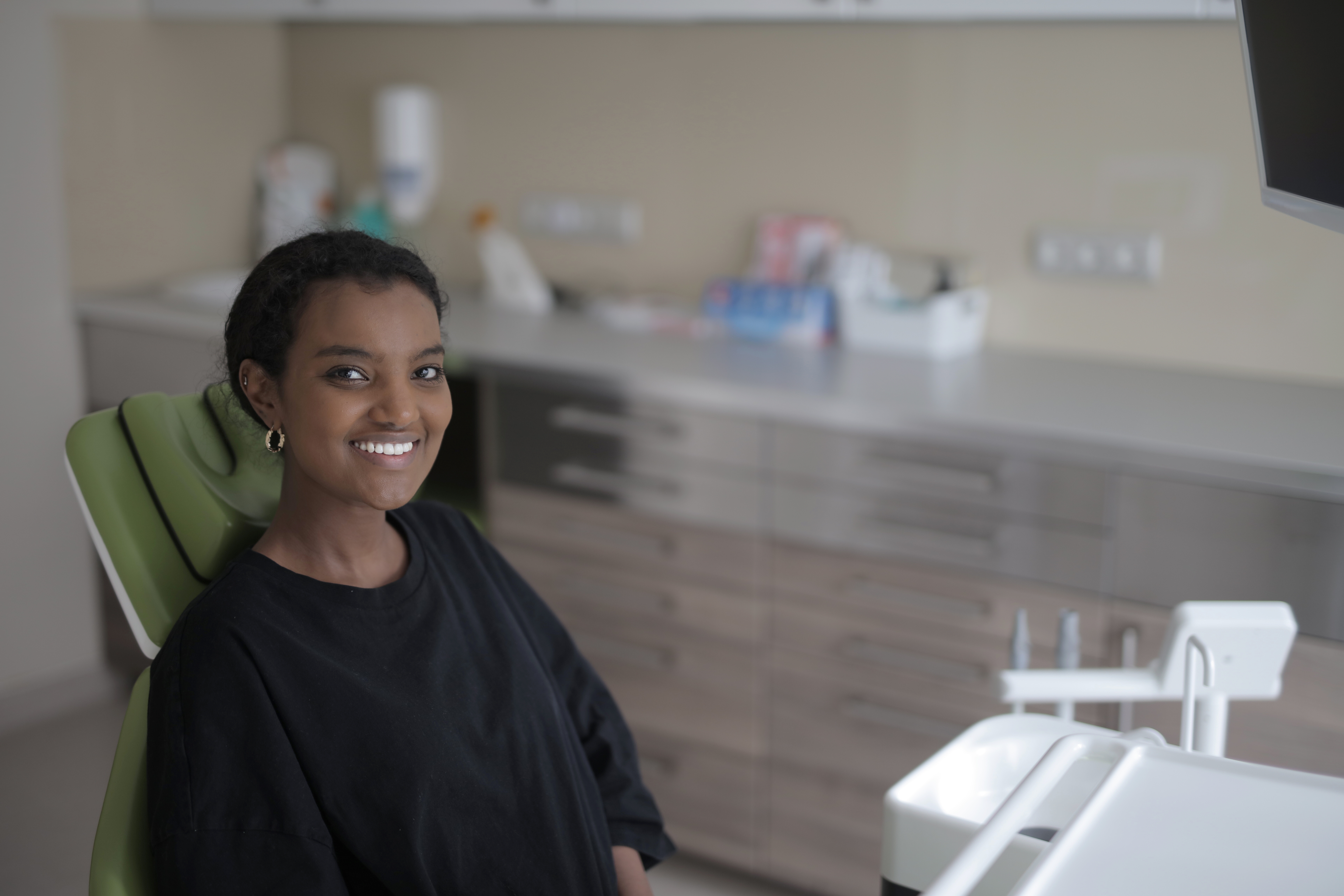
Equally important are your communication skills. Dentistry involves a great deal of interaction, not just with patients, but also with dental assistants, hygienists, and other healthcare professionals. Therefore, your resume should reflect your ability to communicate effectively, both verbally and in writing. You could mention any experience you have in team leadership or collaboration, or any feedback you've received on your excellent communication skills.
Whether you're crafting a dental resume or an impressive dentist CV, remember to showcase your soft skills alongside your technical abilities. These skills can set you apart from other candidates and demonstrate your holistic approach to dentistry. After all, a successful dentist career is not just about the procedures you can perform; it's also about the relationships you build with your patients and colleagues.
8. Tailoring Your Resume to Different Dental Specialties
As we transition into the eighth and final element of our dental care career guide, we focus on Tailoring Your Resume to Different Dental Specialties. This step is crucial in dental resume writing, as it allows you to highlight your unique skills and experiences in your chosen field, whether that's pediatric dentistry, orthodontics, or emergency dental care.
When crafting your dental resume, consider the specific needs and expectations of the specialty you're applying for. For instance, a pediatric dentist resume might emphasize your experience with child-friendly techniques and your ability to create a calming environment for young patients. On the other hand, an emergency dentist resume could highlight your ability to make quick decisions under pressure and your experience in managing acute dental conditions.
Each specialty has its unique set of requirements and expectations. Therefore, it's essential to research and understand these nuances to tailor your resume effectively. For example, if you're an orthodontist like myself, Dr. Mark Anderson, you might want to highlight your expertise in the latest orthodontic technology and treatment options. This not only showcases your technical skills but also demonstrates your commitment to staying updated in your field.
Remember, a well-tailored resume can make a significant difference in your job search. It shows potential employers that you understand the specific demands of the role and that you have the skills and experience to meet them. So, take the time to customize your resume for each specialty you apply for - it could be the key to building a successful dentist career.




No comments yet. Be the first to share your thoughts!