

Understanding the Debate: Pros and Cons of Fluoride
As we delve deeper into the fluoride controversy in dentistry, it's essential to understand both sides of the argument. The debate on fluoride in dentistry is a complex one, with valid points raised by both proponents and opponents.
Pros of Fluoride Use
Fluoride is a natural mineral that has been widely used in dentistry due to its proven benefits in preventing tooth decay. It works by strengthening the tooth enamel, making it more resistant to the acid attacks that can cause cavities.
Many public health organizations, including the American Dental Association and the World Health Organization, endorse the use of fluoride in dental care. They argue that fluoride has significantly reduced the prevalence of dental cavities worldwide, particularly in communities with fluoridated water supplies.
Cons of Fluoride Use
Despite the benefits, some people are choosing fluoride-free dental services due to concerns about the potential risks of fluoride in dental care. Critics argue that excessive fluoride exposure can lead to dental fluorosis, a condition that causes discoloration and pitting of the teeth. 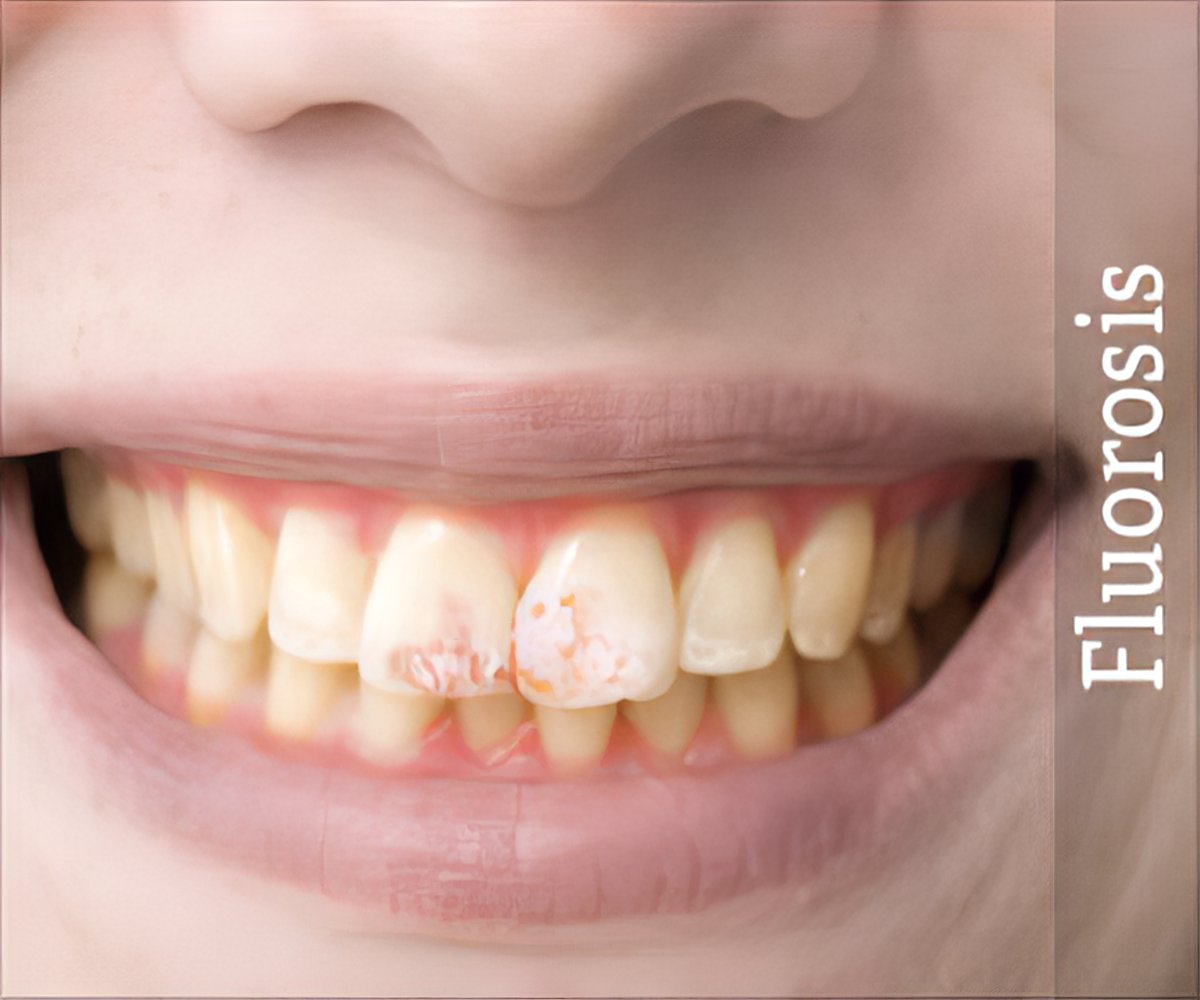
There are also concerns about the systemic effects of fluoride. Some studies suggest that high levels of fluoride can have negative effects on bone health and cognitive function, although more research is needed in these areas.
In conclusion, understanding fluoride use is crucial in making informed decisions in dental care. Whether you opt for fluoride or non-fluoride dentistry, the key is to choose a dental care regimen that best suits your individual needs and preferences.
Making Informed Decisions: Exploring Fluoride-Free Dental Care
Now that we've peeled back the layers of the fluoride controversy in dentistry, let's venture into the realm of fluoride-free dental care. This is an increasingly popular choice for those who prefer to err on the side of caution when it comes to potential risks of fluoride in dental care.

Fluoride-free dental care primarily involves using non-fluoride toothpaste and mouth rinses. These products are often formulated with natural ingredients like xylitol, green tea extract, and herbal extracts, which are known for their oral health benefits. Xylitol, for instance, is a natural sweetener that can help prevent tooth decay by reducing the growth of harmful bacteria in the mouth.
Choosing fluoride-free dental services doesn't mean compromising on oral health. Many dentists who support non-fluoride dentistry offer comprehensive dental care that focuses on prevention and early detection of oral health issues. They may also provide dietary advice and recommendations for oral hygiene products that are effective yet free from fluoride.

Remember, the decision to go fluoride-free should be made after careful consideration of your individual oral health needs and risks. It's always a good idea to discuss this with your dentist, who can provide personalized advice based on your dental history and current oral health status. After all, the ultimate goal is to maintain a healthy, radiant smile, whether you choose to include fluoride in your dental care regimen or not.
Stay informed, stay healthy, and keep smiling!
The Risks of Fluoride in Dental Care
As we delve deeper into the debate on fluoride in dentistry, it's essential to understand the potential risks associated with fluoride use. While fluoride has been widely used in dental care for its cavity-fighting properties, growing concerns about its safety have led to an increasing interest in fluoride-free dental care.
One of the primary concerns about fluoride is its potential to cause fluorosis, a condition that results in the discoloration and pitting of teeth. This is particularly a risk in children under the age of eight, whose teeth are still developing. 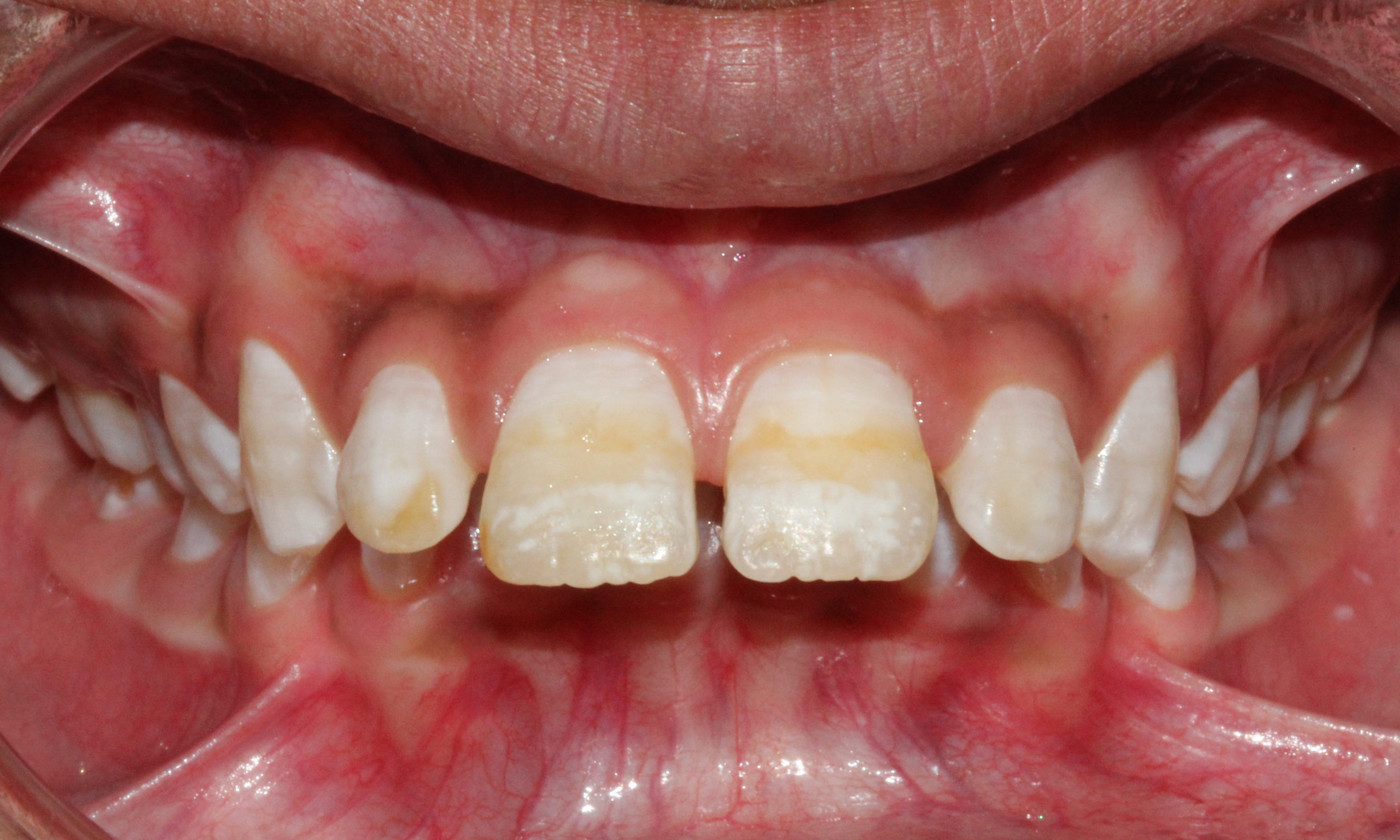
Furthermore, some studies suggest a link between high fluoride levels and a range of health issues, including neurological problems and bone disease. However, it's important to note that these risks are generally associated with long-term exposure to high levels of fluoride, far beyond what you'd typically get from toothpaste or fluoridated water.
While these risks may seem alarming, it's crucial to remember that fluoride is safe when used correctly. The problem arises when there's an overconsumption or misuse of fluoride-containing products. This is why it's essential to make informed decisions in dental care and to discuss any concerns about fluoride use with your dentist.
Understanding the potential risks of fluoride in dental care can help you make the best choices for your oral health. Whether you decide to stick with fluoride or explore non-fluoride dentistry, the key is to stay informed and prioritize your dental health. 
Choosing Fluoride-Free Dental Services
When it comes to Choosing Fluoride-Free Dental Services, it's crucial to understand your options and the potential benefits they offer. The debate on fluoride in dentistry has led to the emergence of non-fluoride dentistry, providing an alternative for those who prefer to avoid fluoride treatments.
Firstly, it's essential to find a dentist who respects your decision and offers fluoride-free alternatives. Not all dental practices provide these services, so it may require a bit of research. Look for practices that advertise as holistic or natural dentists, as they often offer fluoride-free options.
Next, inquire about the types of treatments they offer. Many fluoride-free practices use alternatives like xylitol or calcium phosphate to help protect your teeth. These substances can help remineralize your teeth, reducing the risk of cavities without the use of fluoride.
Lastly, consider the cost. Fluoride-free dental care can sometimes be more expensive than traditional methods. However, many people find the potential health benefits worth the extra expense. It's important to make an informed decision that considers both your dental health and overall wellbeing.
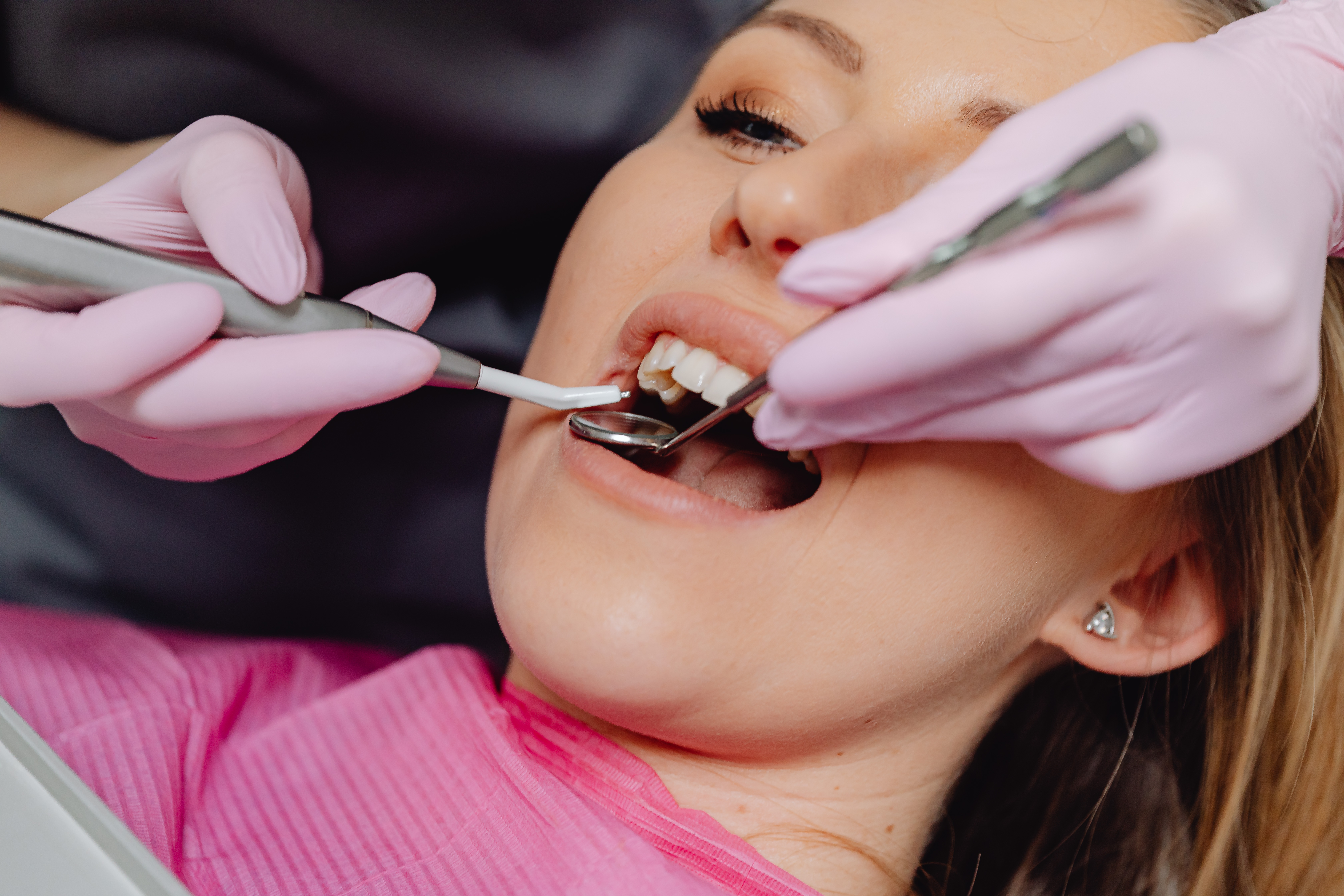
Remember, choosing fluoride-free dental services is a personal decision that should be based on your comfort level, health concerns, and personal beliefs. By understanding fluoride use and its alternatives, you can make an informed decision that best suits your needs.
Alternative Options for Dental Care: Non-Fluoride Dentistry
As we delve into the realm of Non-Fluoride Dentistry, it's important to note that this alternative approach to dental care is not just about avoiding fluoride. It's about embracing a holistic approach that prioritizes overall health and wellness. Non-fluoride dentistry offers a variety of treatment options that can help maintain your oral health without the use of fluoride.
One popular alternative to fluoride is xylitol, a natural sweetener derived from plants. Xylitol not only helps to prevent cavities but also promotes the remineralization of teeth. It's often found in chewing gums and toothpaste. 
Another fluoride alternative is calcium phosphate, which helps to strengthen tooth enamel and prevent tooth decay. Calcium phosphate is often used in combination with xylitol for maximum benefits. 
Non-fluoride dentistry also embraces the use of herbal toothpastes and rinses. These products often contain ingredients like neem, green tea, or aloe vera, which have natural antibacterial properties. 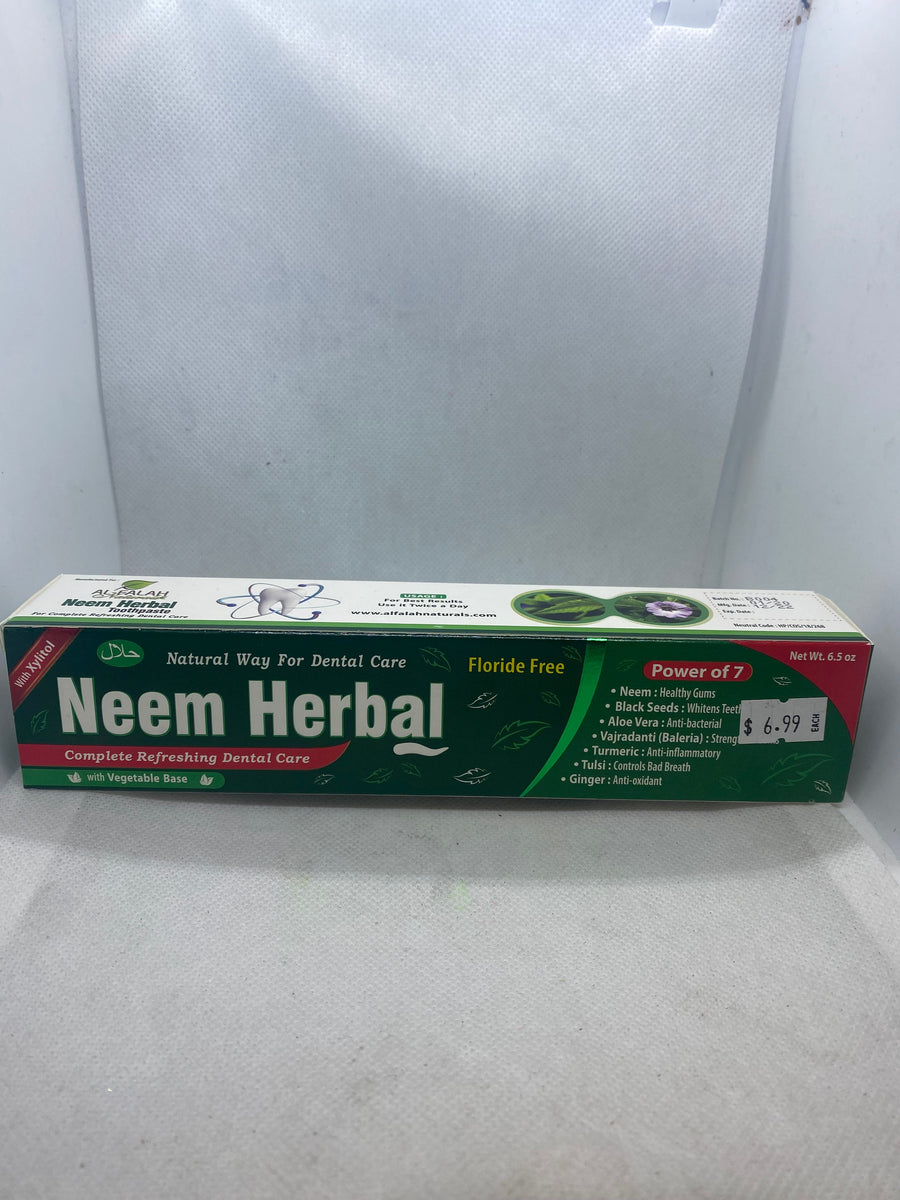
Lastly, oil pulling is a traditional practice often recommended in non-fluoride dentistry. This involves swishing a tablespoon of oil (usually coconut, sesame, or sunflower) in your mouth for about 20 minutes to remove bacteria and promote oral health. 
Non-fluoride dentistry is about more than just avoiding fluoride—it's about embracing a holistic approach to oral health. By exploring these alternatives, you can make an informed decision that aligns with your personal beliefs and health goals.
The Controversy Surrounding Fluoride in Dentistry
The fluoride controversy in dentistry is a hot topic that has been stirring up debates among professionals and patients alike. Fluoride, a naturally occurring mineral, has been a fundamental part of dental care for decades. However, concerns about its safety and efficacy have led to a growing interest in fluoride-free dental care.
Fluoride's primary role in dentistry is to help prevent tooth decay by strengthening the tooth enamel. However, critics argue that excessive exposure to fluoride can lead to a condition known as fluorosis, which can cause discoloration and damage to the teeth. 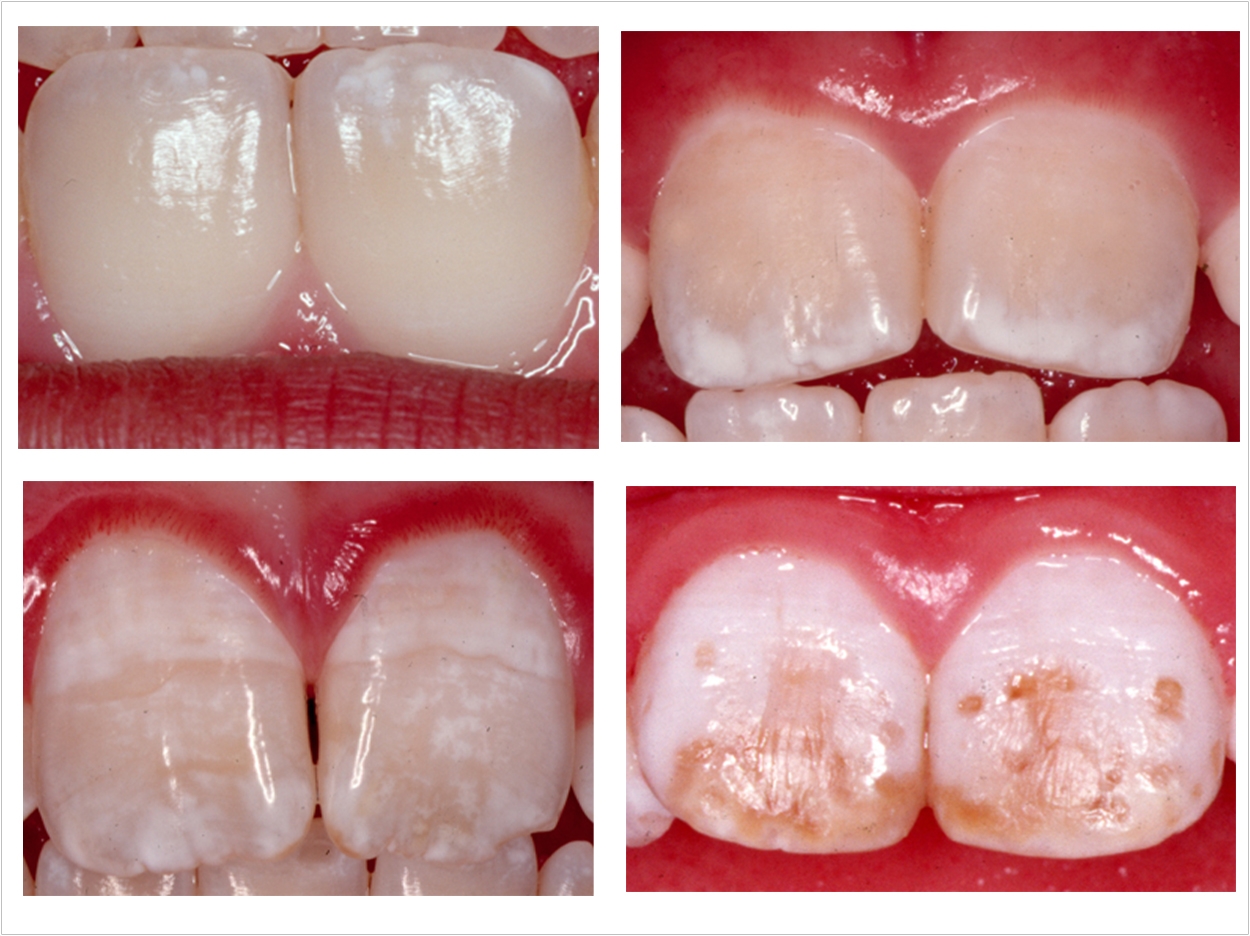
The debate on fluoride in dentistry is further fueled by conflicting research findings. Some studies suggest that fluoride is essential for maintaining oral health, while others indicate that its benefits may be overstated, and the risks, underestimated. This controversy has left many patients feeling confused and uncertain about the best course of action for their dental health.
As a result, a growing number of people are exploring non-fluoride dentistry, seeking alternatives that offer effective protection against tooth decay without the potential risks associated with fluoride use. This shift towards fluoride-free dental services reflects a broader trend towards more personalized and informed decisions in dental care.
Understanding the controversy surrounding fluoride use is the first step towards making an informed decision about your dental health. Whether you choose to embrace or avoid fluoride, it's essential to consider all the facts and consult with a trusted dental professional.
Understanding the Debate: Pros and Cons of Fluoride Use
Let's delve deeper into the debate on fluoride in dentistry by examining the pros and cons of its use. Understanding fluoride use is crucial to making informed decisions about your dental health.
Pros of Fluoride Use
Fluoride is celebrated for its ability to fight tooth decay. It works by strengthening the tooth enamel, making it more resistant to the acid attacks that can cause cavities. This is why fluoride is a common ingredient in most toothpastes and mouthwashes, and why it's often applied during professional dental cleanings. 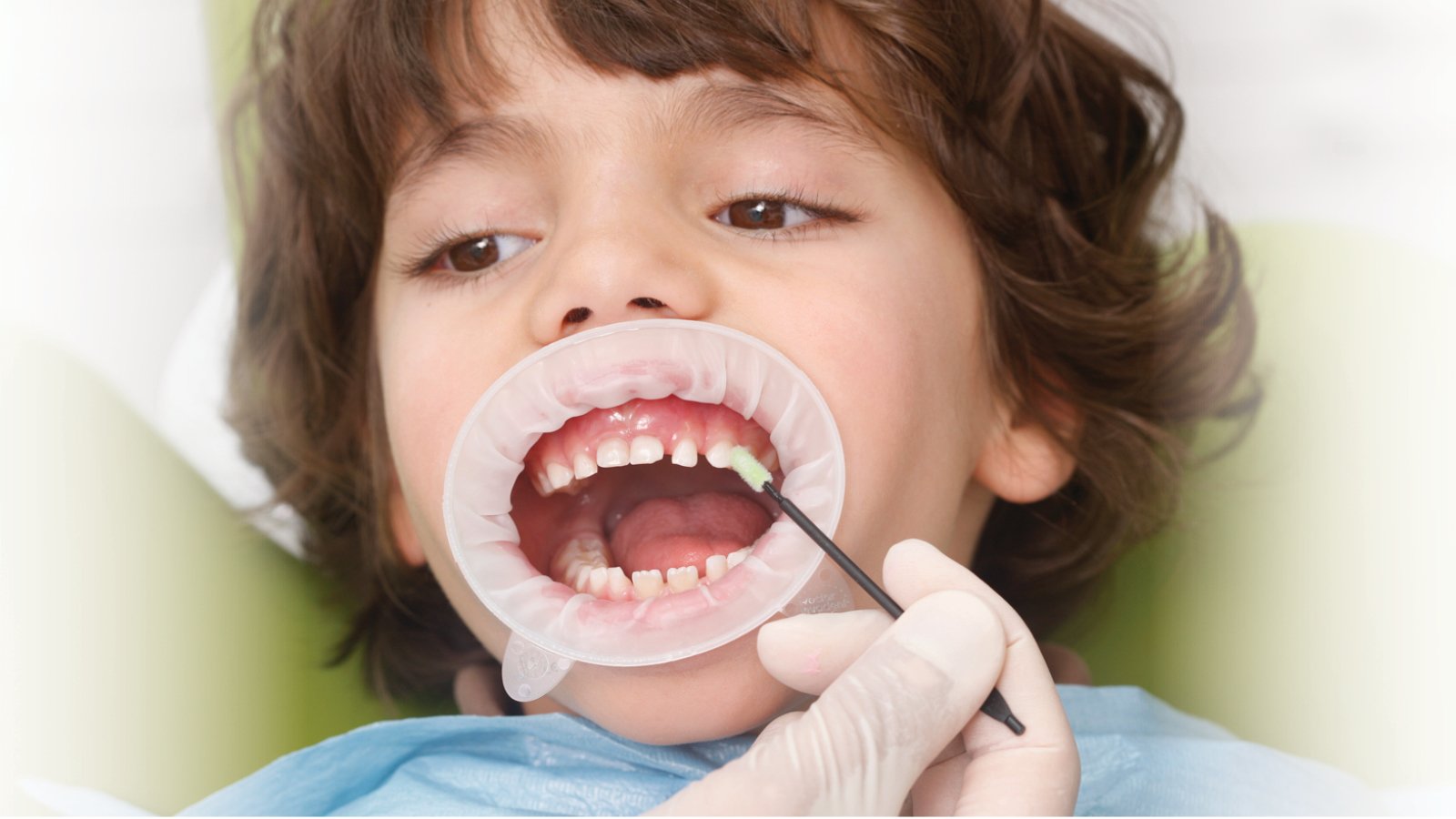
Moreover, fluoride can even reverse early decay and help repair the tooth in the initial stages of damage. For many, fluoride is seen as an essential part of maintaining oral health and preventing dental diseases.
Cons of Fluoride Use
Despite its benefits, fluoride use has its critics. The main concern is the risk of dental fluorosis, a condition that can cause discoloration and damage to the teeth if one is exposed to excessive amounts of fluoride, especially at a young age. 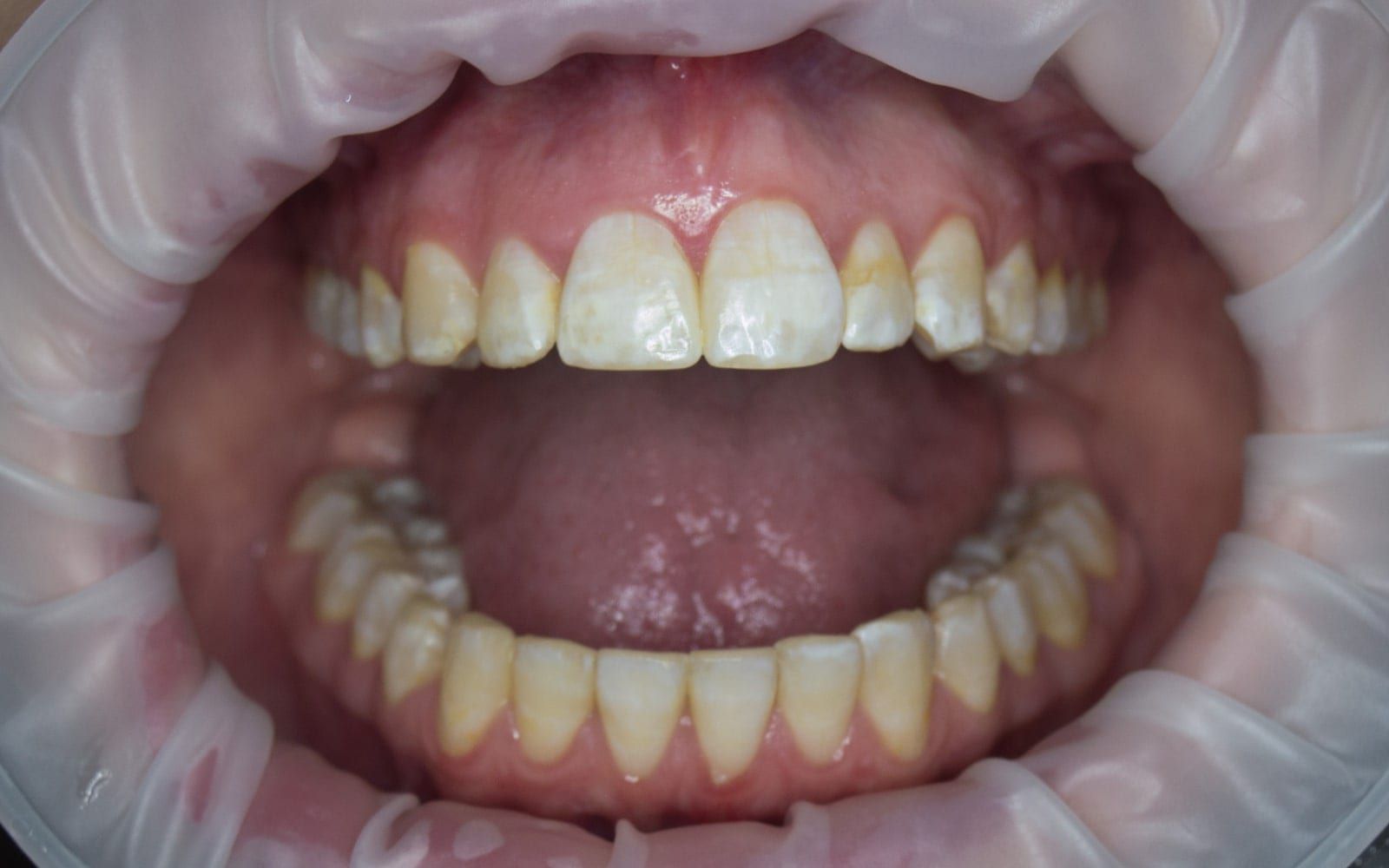
There are also concerns about the potential systemic effects of fluoride. Some research suggests that excessive fluoride intake might be linked to a range of health issues, from bone disorders to neurological problems. However, these findings are often disputed, and more research is needed to fully understand the potential dangers of fluoride treatment.
With these pros and cons in mind, it's clear that the debate on fluoride in dentistry is complex. The key is to make an informed decision that best suits your individual dental needs and health concerns. Always consult with a trusted dental professional before making any changes to your dental care routine.
Exploring Fluoride-Free Dental Care Options
Now that we've delved into the fluoride controversy in dentistry, let's explore the world of fluoride-free dental care. This is a growing field that offers a variety of options for those who are concerned about the risks of fluoride in dental care.
One of the most popular fluoride-free dental care options is the use of fluoride-free toothpaste. These toothpastes are often made with natural ingredients such as xylitol, a sugar alcohol that can help prevent cavities, and various essential oils that promote oral health.
Another option is oil pulling, an ancient practice that involves swishing oil around in your mouth to remove bacteria and promote oral hygiene. Coconut oil is commonly used due to its antimicrobial properties. 
There are also a number of herbal mouthwashes available that are free of fluoride. These mouthwashes often contain herbs such as neem and peppermint, which are known for their antibacterial and breath-freshening properties. 
Lastly, some people choose to use mineralizing tooth powders as an alternative to traditional toothpaste. These powders are typically made with ingredients like calcium carbonate and bentonite clay, which can help remineralize teeth and promote oral health. 
It's important to remember that while these fluoride-free dental care options can be beneficial, they should be used as part of a comprehensive oral care routine that includes regular dental check-ups. Always consult with a dental professional before making any changes to your dental care routine.
Choosing Fluoride-Free Dental Services: What to Consider
When it comes to choosing fluoride-free dental services, there are several factors you should consider to make an informed decision. The fluoride controversy in dentistry has led to the rise of non-fluoride dentistry, offering an alternative for those who prefer to avoid fluoride treatments.
Firstly, it's crucial to understand the reasons behind your choice. Are you opting for fluoride-free dental care due to health concerns, personal beliefs, or advice from a healthcare professional? Knowing your 'why' can guide you in finding the right service.
Secondly, consider the expertise and experience of the dental care provider. Ensure they have a solid understanding of fluoride use and the risks of fluoride in dental care. They should be well-versed in the debate on fluoride in dentistry and able to provide comprehensive information to help you make informed decisions in dental care.
Thirdly, look at the range of services offered. A good fluoride-free dental service should offer a variety of treatments that cater to different dental needs. This could range from basic cleaning to more complex procedures like fillings and root canals.
Lastly, don't forget to consider the cost. Fluoride-free dental services may sometimes be more expensive than traditional ones. It's essential to find a service that fits within your budget without compromising on quality.
Remember, your dental health is paramount. Whether you choose traditional or fluoride-free dental care, the most important thing is to maintain regular check-ups and good oral hygiene.

Tips for Maintaining Dental Health Without Fluoride
Making Informed Decisions: Weighing the Risks and Benefits
As we venture into the heart of the fluoride controversy in dentistry, it's crucial to make informed decisions about your dental care. The debate on fluoride in dentistry is complex, and understanding the risks and benefits is key to choosing the right path for your oral health.
Fluoride has been widely used in dentistry for its ability to strengthen tooth enamel and prevent cavities. However, concerns about the potential dangers of fluoride treatment for teeth have led many to seek fluoride-free dental care. The question is, are the benefits of fluoride use worth the potential risks?

On one hand, fluoride is praised for its cavity-fighting properties. It's a natural mineral that can help remineralize tooth enamel, making it more resistant to decay. This is particularly beneficial for children, whose teeth are still developing and are more susceptible to cavities.
On the other hand, excessive fluoride exposure has been linked to a number of health issues. These include dental fluorosis, a condition that causes discoloration and pitting of the teeth, and skeletal fluorosis, a bone disease that can lead to pain and damage to bones and joints. There are also concerns about potential links between fluoride and neurological development issues in children.
So, how do you make an informed decision? Start by discussing your concerns with your dentist. They can provide professional advice tailored to your specific needs and circumstances. Additionally, consider your personal risk factors. If you have a high risk of cavities, the benefits of fluoride might outweigh the risks. However, if you're at low risk and are concerned about the potential dangers of fluoride, exploring non-fluoride dentistry might be a viable option.
Remember, the goal is to maintain optimal oral health. Whether you choose to use fluoride or opt for fluoride-free dental services, regular dental check-ups and a good oral hygiene routine are essential.
Alternative Treatments for Dental Health: Non-Fluoride Options
Stepping into the world of non-fluoride dentistry, you'll find a variety of alternative treatments that can help maintain your dental health. These options are not only effective but also cater to those who prefer to steer clear of fluoride. Let's delve into some of these alternatives.
Xylitol: This is a natural sweetener derived from plants. Unlike sugar, xylitol doesn't contribute to tooth decay. In fact, it helps prevent cavities by reducing the growth of bacteria in the mouth. Some dentists recommend using xylitol-based toothpaste or mouthwash as part of your daily oral care routine. 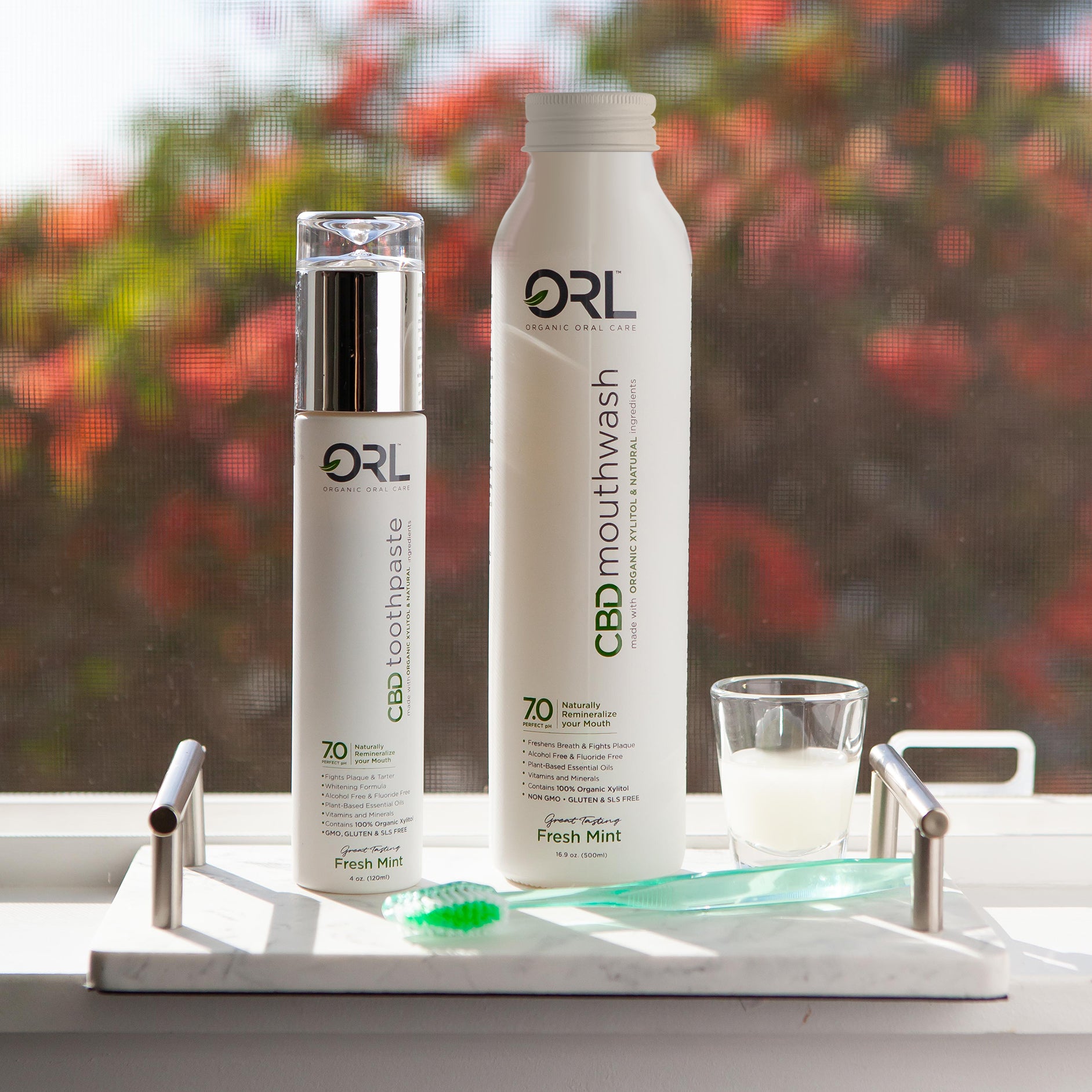
Calcium Phosphate: This mineral, naturally found in your teeth, helps to remineralize tooth enamel, making it stronger and more resistant to decay. Toothpastes containing calcium phosphate can be a good fluoride-free option. 
Herbal Toothpastes: These are made with natural ingredients like neem, mint, and clove, which have antibacterial properties. They can help maintain oral hygiene without the use of fluoride. 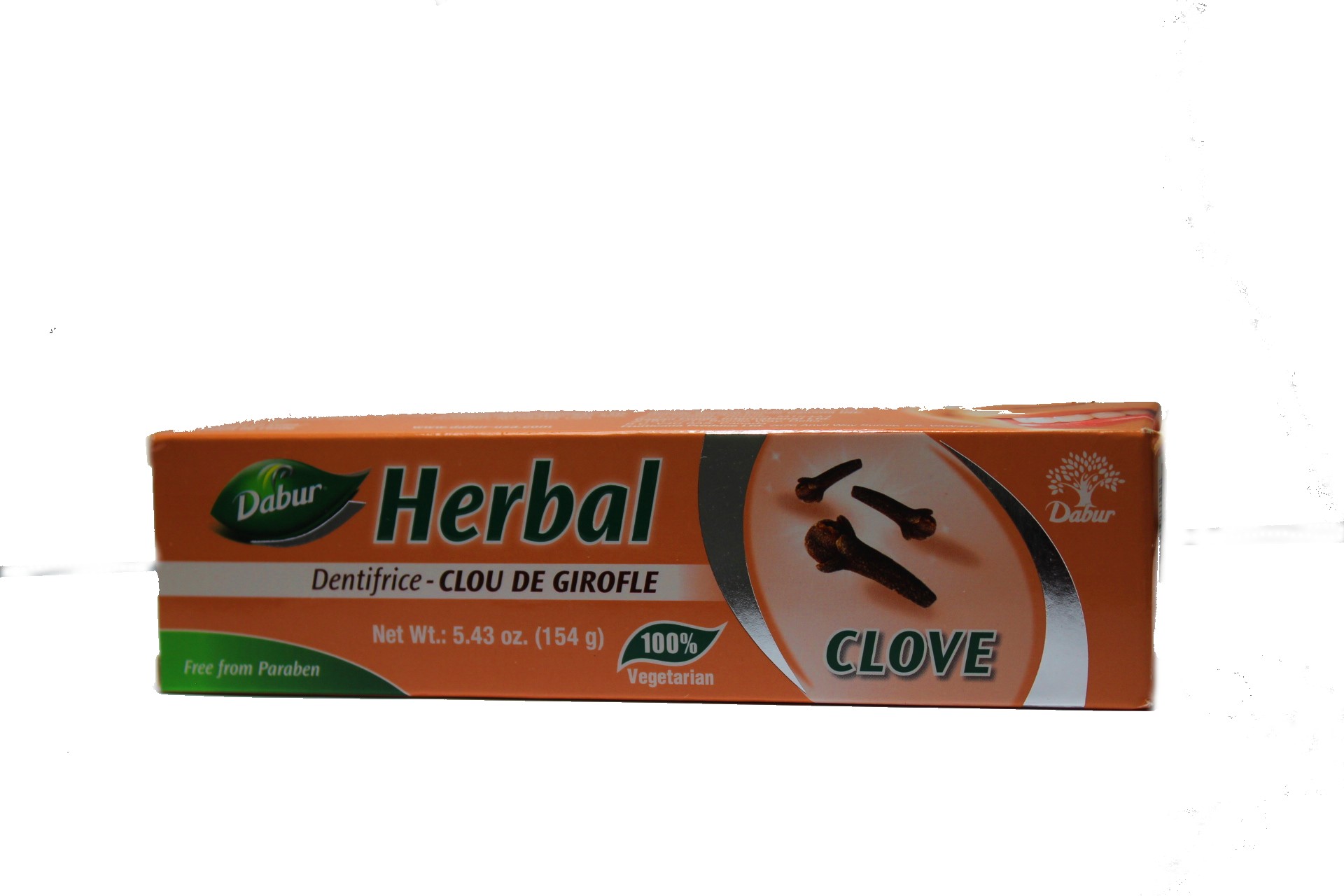
Oil Pulling: An ancient practice, oil pulling involves swishing oil (usually coconut, sesame, or sunflower) around in your mouth for about 20 minutes. It's believed to draw out toxins and improve oral health. 
It's important to note that while these alternatives can contribute to dental health, they should not replace regular dental check-ups. Always consult with your dentist before making any changes to your oral care routine. Remember, the goal is to make informed decisions that best serve your dental health needs.
Unraveling the Fluoride Controversy in Dentistry
Have you ever found yourself caught in the middle of the fluoride controversy in dentistry? If so, you're not alone. This debate has been a hot topic in the dental world for years, leaving many patients confused and unsure about the best course of action for their oral health. As we delve into the complexities of this issue, we aim to provide a clear understanding of the fluoride debate, empowering you to make informed dental decisions.
Fluoride, a naturally occurring mineral, has been hailed as a dental superhero for its ability to strengthen tooth enamel and fight cavities. However, a growing number of voices are questioning its safety and efficacy, giving rise to fluoride free dentistry. This shift has sparked a wave of discussion, with compelling arguments on both sides of the fence.
So, what are the pros and cons of fluoride? Is fluoride-free dentistry the future, or just a passing trend? And most importantly, how can you find the best non-fluoride dentists in your area? In this comprehensive guide, we'll explore these questions and more, offering a balanced view of the issue at hand.
From understanding the science behind fluoride to exploring viable fluoride alternatives in dentistry, we're here to help you navigate your dental care without fluoride. Whether you're a skeptic or a supporter, our goal is to provide you with the knowledge and resources you need to make the best decisions for your oral health.
So, are you ready to unravel the fluoride controversy in dentistry? Let's dive in and discover what lies beneath the surface of this complex debate. 
The Rise of Fluoride-Free Dentistry: A New Era
As we continue to unravel the fluoride controversy in dentistry, it's impossible to ignore the rising tide of fluoride-free dentistry. This new era in dental care is not just a fleeting trend, but a response to growing concerns about the potential dangers of fluoride treatment. But what exactly is driving this shift, and what does it mean for your oral health?
Fluoride has long been celebrated for its cavity-fighting powers. However, a growing body of research is challenging the status quo, suggesting that the benefits of fluoride may not outweigh its potential risks. This has led to a surge in demand for dental care without fluoride, sparking a revolution in the dental industry.
But what are the implications of this shift? Are we trading one set of problems for another, or are we on the cusp of a healthier, more holistic approach to dental care? As with any major change, there are pros and cons to consider. The key is to arm yourself with knowledge, understanding both sides of the fluoride debate, and making informed dental decisions that align with your personal health goals.
So, how can you navigate this new landscape? The first step is to find the best non-fluoride dentists in your area. These professionals are at the forefront of fluoride-free dentistry, offering innovative treatments that prioritize patient safety and wellbeing. They can provide you with a comprehensive understanding of the fluoride controversy, helping you make the best choices for your oral health.
As we embark on this journey into the world of fluoride-free dentistry, it's important to keep an open mind. Remember, the goal is not to demonize fluoride, but to promote a balanced, informed discussion about its use in dental care. Whether you choose to embrace fluoride-free dentistry or stick with traditional methods, the choice is yours. And with the right information at your fingertips, you can feel confident in your decision.
So, are you ready to explore the new era of fluoride-free dentistry? Let's dive in and discover what this revolution means for you and your smile.
Weighing the Pros and Cons of Fluoride: A Balanced View
As we delve deeper into the fluoride controversy in dentistry, it's crucial to weigh the pros and cons of fluoride. This balanced view will aid in making informed dental decisions, whether you're considering traditional fluoride treatments or exploring the realm of fluoride-free dentistry.
Fluoride has been lauded for its ability to combat tooth decay, a major pro that has solidified its place in dental care. It strengthens the tooth enamel, making it more resistant to acid attacks from harmful bacteria. This, in turn, helps to prevent cavities and promote overall oral health. However, the flip side of the coin reveals potential cons that have fueled the fluoride debate.
High levels of fluoride can lead to dental fluorosis, a condition that causes discoloration and pitting of the teeth. More serious health concerns, such as neurological issues and bone disease, have also been linked to excessive fluoride exposure, although research in these areas is ongoing.
So, what does this mean for your dental care? Is it possible to maintain a healthy smile without fluoride? The answer is a resounding yes. Fluoride-free dentistry is not only possible but thriving, with a growing number of dentists offering innovative, non-fluoride treatments. These professionals can provide a comprehensive understanding of the fluoride debate, empowering you to make the best choices for your oral health.
Remember, the goal is not to vilify fluoride, but to ensure you have all the information you need to make informed decisions about your dental care. Whether you choose to embrace fluoride-free dentistry or stick with traditional methods, the choice is yours. With the right information at your fingertips, you can feel confident in your decision.
Are you ready to take control of your dental health? Let's continue our journey into the world of fluoride-free dentistry, exploring the best non-fluoride dentists, the potential dangers of fluoride treatment, and more.
Embracing Dental Care Without Fluoride: Is It Possible?
Embracing dental care without fluoride may seem like a daunting task, especially given the long-standing tradition of fluoride use in dentistry. However, the rise of fluoride-free dentistry is a testament to the fact that maintaining a radiant, healthy smile without fluoride is not only possible but also increasingly preferred by many.
Imagine a world where your dental care routine doesn't involve the potential risks associated with fluoride. This is the world that fluoride-free dentistry invites you into. The fluoride controversy in dentistry has led to the development of innovative, non-fluoride treatments that effectively combat tooth decay and promote oral health. These treatments offer a safe, effective alternative to traditional fluoride methods, allowing you to take control of your dental health without fear of potential fluoride-related complications.
But how do you navigate this new realm of dental care? The key lies in understanding the fluoride debate and making informed dental decisions. By educating yourself about the pros and cons of fluoride, you can make a choice that aligns with your health goals and personal beliefs. Whether you choose to stick with fluoride or venture into the world of fluoride-free dentistry, the power is in your hands.
So, is it time to rethink your dental care routine? With the rise of fluoride-free dentistry, the answer could very well be yes. The best non-fluoride dentists are ready and waiting to guide you on this journey, offering expert advice and innovative treatments that put your health first. Remember, the goal is not to demonize fluoride, but to provide you with the information you need to make the best decision for your oral health.
As we continue to explore the dangers of fluoride treatment and the benefits of fluoride-free dentistry, remember that your dental health is a personal journey. There's no one-size-fits-all approach, and what works for one person may not work for another. The most important thing is that you feel confident and informed in your decisions, knowing that you're doing what's best for your oral health.

Making Informed Dental Decisions: Your Health, Your Choice
As you navigate the fluoride controversy in dentistry, it's essential to remember that your dental health decisions should always be informed, personal, and beneficial to your overall wellbeing. Understanding the fluoride debate is the first step towards making these informed dental decisions. But how do you sift through the myriad of information available?
Start by weighing the pros and cons of fluoride. While some studies highlight its benefits in preventing tooth decay, others point to potential health risks associated with overexposure. This dichotomy fuels the rise of fluoride-free dentistry, a new era that champions dental care without fluoride. But is this approach right for you?
Consider your unique dental needs. If you're prone to cavities, fluoride might be beneficial. However, if you're concerned about the potential dangers of fluoride treatment, exploring fluoride-free alternatives could be a wise choice. Remember, the best non-fluoride dentists are those who listen to your concerns, respect your choices, and provide personalized care.
Ultimately, the choice is yours. Whether you opt for traditional methods or embrace a fluoride-free approach, it's crucial to stay informed and proactive about your dental health. After all, isn't your health worth it?

So, as you delve deeper into the fluoride debate, remember to prioritize your health, respect your choices, and remain open to new possibilities. In the end, the most important thing is to make informed dental decisions that align with your health goals and values.
Finding the Best Non-Fluoride Dentists: Your Ultimate Guide
Embarking on a quest to find the best non-fluoride dentists can feel like navigating a labyrinth. However, with the right information and resources, you can turn this journey into a rewarding experience. The key is to understand the fluoride controversy in dentistry and make informed decisions that align with your personal health goals.
Start by seeking out dental practices that prioritize patient education and informed consent. These are the practices that will take the time to explain the pros and cons of fluoride, helping you understand the fluoride debate from a balanced perspective. They will also respect your decision to opt for dental care without fluoride, if that's the path you choose.
Next, look for dentists who stay updated with the latest research and advancements in fluoride-free dentistry. These professionals will be able to provide you with the most effective and safest alternatives to fluoride treatment. Remember, the best non-fluoride dentists are not just those who refrain from using fluoride, but those who offer a comprehensive range of effective, fluoride-free dental care options.
Finally, consider the dentist's approach to patient care. The best dentists, whether they use fluoride or not, are those who listen to your concerns, respect your choices, and tailor their treatments to meet your unique needs. 
So, are you ready to take control of your dental health and make informed decisions that align with your values? Remember, your journey towards finding the best non-fluoride dentists is not just about avoiding potential dangers of fluoride treatment. It's about embracing a new approach to dental care that prioritizes your health, respects your choices, and aligns with your personal beliefs.
Unmasking the Dangers of Fluoride Treatment: What You Need to Know
As we delve deeper into the fluoride controversy in dentistry, it's crucial to unmask the potential dangers of fluoride treatment. The debate surrounding fluoride is complex, with strong arguments on both sides. However, understanding the risks associated with fluoride can empower you to make informed dental decisions that prioritize your health and wellbeing.
Fluoride, a naturally occurring mineral, has been hailed for its cavity-fighting properties. Yet, there's a growing body of research suggesting that excessive exposure to fluoride could lead to a range of health issues, from dental fluorosis to potential neurological effects. This has led to the rise of fluoride-free dentistry, a movement that champions dental care without fluoride.
So, what does this mean for you? It means you have a choice. You can opt for traditional dentistry, which often includes fluoride treatments, or you can explore the world of fluoride-free dentistry. The best non-fluoride dentists are those who not only respect your decision to avoid fluoride but also provide effective alternatives for maintaining your oral health.
Remember, making informed dental decisions is not just about understanding the pros and cons of fluoride. It's about finding a dental care approach that aligns with your personal health goals and beliefs. It's about taking control of your health and making choices that feel right for you.
As we conclude this exploration of the fluoride debate, we encourage you to continue your research, ask questions, and engage in open conversations with your dentist. Whether you choose to embrace fluoride-free dentistry or not, the most important thing is that your decision is informed, considered, and respectful of your health needs.
Are you ready to take the next step in your dental health journey? Whether it's seeking out the best non-fluoride dentists or simply learning more about the fluoride controversy, remember that knowledge is power. And with the right information, you can make dental care decisions that truly serve your wellbeing.
At Meet My Dentist, we're here to guide you every step of the way. From understanding the fluoride debate to finding the best dental care services in your area, we've got you covered. So, why not start your journey today?
Unveiling the Fluoride Controversy in Dentistry
Have you ever questioned what's really in that fluoride rinse swirling in your mouth during your routine dental check-up? If so, you're not alone. The fluoride controversy in dentistry has been a hot topic of discussion for years, stirring up a myriad of opinions and debates.
Fluoride, a natural mineral found in the earth's crust, is widely used in dental care due to its ability to strengthen tooth enamel and prevent cavities. However, a growing body of research suggests potential health risks associated with excessive fluoride exposure, igniting the fluoride debate in dentistry.
So, what's the truth? Is fluoride a friend or foe? This article aims to shed light on the pros and cons of fluoride, helping you make informed dental decisions. We'll delve into the world of fluoride-free dentistry, exploring the benefits of natural dental care and how it might be the key to a healthier smile.
Moreover, we'll guide you on how to find the best non-fluoride dentists in your area, ensuring you have access to the most suitable dental care options. After all, understanding dental care is not just about knowing what happens in the dentist's chair, but also about being aware of what goes into your body.
So, are you ready to navigate the complex landscape of fluoride and dentistry? Let's unveil the controversy together, empowering you to make the best choices for your oral health. 
Fluoride-Free Dentistry: A New Approach to Oral Health
As we transition into the realm of Fluoride-Free Dentistry: A New Approach to Oral Health, it's essential to understand that this isn't just a fleeting trend. Instead, it's a response to the growing fluoride controversy in dentistry and a testament to the evolving preferences of patients worldwide. The shift towards fluoride-free dentistry is a reflection of a broader movement towards natural dental care, underpinned by the belief that a healthy mouth is a gateway to overall wellness.
But what does fluoride-free dentistry entail? Simply put, it's an approach that avoids the use of fluoride in dental treatments and products. Instead, it leverages natural alternatives that promote oral health without the potential risks associated with fluoride. This approach aligns with the growing demand for holistic health solutions that are gentle yet effective.
Are you wondering about the pros and cons of fluoride? While fluoride is celebrated for its cavity-fighting properties, critics argue that excessive exposure can lead to a range of health issues, including dental fluorosis and potential neurological effects. These concerns have fueled the understanding fluoride debate, prompting many individuals to seek out the best non-fluoride dental services.
Choosing fluoride-free dentistry doesn't mean compromising on oral health. On the contrary, there are numerous fluoride alternatives in dentistry that can help maintain strong, healthy teeth. From xylitol and green tea extracts to hydroxyapatite and probiotics, these natural compounds can support oral health in a gentle, holistic manner.
Ultimately, the decision to go fluoride-free is a personal one. It's about making informed dental decisions based on your understanding of the fluoride debate, your health goals, and your comfort level. Whether you're considering fluoride-free dentistry or just exploring your options, remember that your oral health is in your hands. And with the right knowledge and resources, you can navigate this complex landscape with confidence.
So, are you ready to explore the world of fluoride-free dentistry? Let's continue our journey into the heart of this fascinating debate.
Fluoride Free Dentistry: A New Wave in Oral Health
As we continue to unravel the fluoride controversy in dentistry, a new wave of oral health care is gaining momentum - fluoride free dentistry. This innovative approach to dental care is rooted in the belief that it's possible to maintain a healthy smile without the use of fluoride. But what does this mean for you, and how does it fit into the broader context of the fluoride debate?
Fluoride free dentistry is more than just a trend; it's a response to growing concerns about the potential health risks associated with fluoride. This approach prioritizes natural dental care, using alternatives to fluoride that are both safe and effective. For instance, xylitol, a natural sweetener, has been shown to reduce tooth decay and promote oral health without the potential side effects of fluoride.
But is fluoride-free dentistry right for you? That's a question only you can answer. It's essential to weigh the pros and cons of fluoride, understand the fluoride debate, and make informed dental decisions that align with your health goals and values. Remember, your teeth, your choice.
As you navigate this complex landscape, keep in mind that a fluoride-free approach doesn't mean compromising on quality dental care. Many dentists are embracing this new wave, offering fluoride-free dental care options that cater to a range of oral health needs. So, if you're considering going fluoride-free, rest assured that you're not alone in this journey.
Ultimately, the choice to embrace fluoride free dentistry is a personal one. It's about taking control of your oral health and making choices that feel right for you. Whether you decide to stick with traditional fluoride treatments or explore alternatives to fluoride at the dentist, the most important thing is to stay informed and proactive about your dental health.
So, are you ready to explore the world of fluoride free dentistry? Remember, knowledge is power, and understanding the fluoride debate is the first step towards making informed decisions about your oral health. Let's continue this journey together, one smile at a time.
Natural Dental Care: A Healthy Alternative
Stepping into the realm of natural dental care offers a refreshing perspective on oral health. This approach is not about rejecting modern dentistry but rather about embracing healthier alternatives. It's about understanding the fluoride controversy in dentistry and making informed decisions that resonate with your personal health philosophy.
Imagine a world where your dental care routine is not only effective but also aligns with your commitment to natural living. This is the essence of fluoride-free dentistry. It's about integrating practices that are gentle on your body, yet potent against oral health issues. From using toothpaste with natural antibacterial ingredients like neem and clove oil to adopting dietary changes that strengthen your teeth from within, natural dental care is a holistic approach to maintaining your smile.
But what about the effectiveness of these alternatives? Well, research suggests that natural substances like xylitol and green tea extract can help prevent tooth decay and gum disease, offering a promising alternative to fluoride. 
However, it's crucial to remember that while fluoride-free dentistry is gaining popularity, it's not a one-size-fits-all solution. Everyone's oral health needs are unique, and what works for one person may not work for another. This is why understanding the pros and cons of fluoride is so important. It empowers you to make informed dental decisions based on your individual needs and circumstances.
So, as you explore the world of natural dental care, remember to keep an open mind. Listen to your body, consult with your dentist, and don't be afraid to ask questions. After all, your journey to a healthier smile is just that - yours. And whether you choose to go fluoride-free or stick with traditional treatments, the most important thing is that you're making choices that support your overall health and wellbeing.
Are you ready to delve deeper into the fluoride debate and explore the possibilities of natural dental care? Remember, your oral health is a vital part of your overall wellness, and you deserve to make choices that reflect that. So, let's continue this journey together, exploring the world of fluoride-free dentistry, one informed decision at a time.
Weighing the Pros and Cons of Fluoride
As we delve deeper into the fluoride controversy in dentistry, it's essential to weigh the pros and cons of fluoride. This naturally occurring mineral has been a cornerstone of dental care for decades, lauded for its ability to strengthen tooth enamel and prevent decay. However, the rise of fluoride-free dentistry has sparked a debate about its potential risks and benefits.
On one hand, fluoride is praised for its proven track record in combating cavities. It's a key ingredient in most toothpastes and is often applied in professional dental cleanings. Its ability to remineralize tooth enamel makes it a powerful ally in the fight against tooth decay. But does this mean it's indispensable?
On the flip side, critics argue that excessive fluoride exposure can lead to dental fluorosis, a condition characterized by discoloration and pitting of the teeth. Some also express concern about potential systemic effects, particularly when fluoride is ingested. This has led many to explore the realm of natural dental care and consider alternatives to fluoride at the dentist.
So, where does this leave you in making informed dental decisions? The key is to balance the proven benefits of fluoride with its potential risks, and consider your personal health needs and philosophy. If you're drawn to a more natural approach, there are effective fluoride-free alternatives available. However, if you're comfortable with using fluoride and your dentist recommends it, there's no need to shun it entirely.
Remember, the goal is to maintain a healthy smile, and there's no one-size-fits-all approach. Whether you choose to embrace fluoride or opt for a fluoride-free path, the most important thing is that your decision supports your overall health and wellbeing. So, what's your take on the fluoride debate? Are you ready to make an informed decision about your dental care?
Understanding the Fluoride Debate: What You Need to Know
Understanding the fluoride debate is crucial to making informed dental decisions. The controversy surrounding fluoride in dentistry has been a hot topic for years, and it's one that requires careful consideration. The question is, how can you navigate this complex issue and make the best choice for your oral health?
Firstly, it's important to understand the arguments on both sides. Advocates of fluoride highlight its effectiveness in preventing tooth decay and strengthening enamel. They argue that fluoride is a vital component of dental care, and its benefits far outweigh any potential risks. However, critics of fluoride point to the potential for dental fluorosis and systemic effects as reasons to consider fluoride-free dental care. They advocate for a more natural approach to oral health, free from the potential risks associated with fluoride.
So, what does this mean for you? The answer depends on your individual needs and philosophy. If you're comfortable with the use of fluoride and trust its benefits, then there's no need to change your approach. However, if the potential risks of fluoride concern you, or if you're drawn to a more natural approach, then fluoride-free dentistry might be the right choice for you.
Remember, the ultimate goal is to maintain a healthy smile. There's no one-size-fits-all solution when it comes to dental care. The key is to make an informed decision that aligns with your health needs and personal beliefs. Whether you choose to use fluoride or opt for a fluoride-free approach, the most important thing is that your decision supports your overall health and wellbeing.
So, where do you stand in the fluoride debate? Are you ready to make an informed decision about your dental care? The choice is yours. 
Informed Dental Decisions: Your Teeth, Your Choice
When it comes to informed dental decisions, the power truly lies in your hands. You have the right to choose what is best for your teeth, and by extension, your overall health. The fluoride controversy in dentistry has sparked a shift towards fluoride-free dental care and natural dental care alternatives. But what does this mean for you?
Imagine walking into your dentist's office, armed with knowledge and ready to make choices that align with your personal beliefs and health needs. You're no longer a passive recipient of care, but an active participant. This is the essence of making informed dental decisions.
Perhaps you're intrigued by the idea of fluoride-free dentistry. You've read about the potential risks of fluoride and you're interested in exploring a more natural approach to dental care. Or maybe you're still comfortable with fluoride, but you want to understand all your options. Either way, it's your choice.
Remember, the goal is not to demonize fluoride or to blindly accept it. The goal is to understand the pros and cons of fluoride, to explore the alternatives, and to make a decision that feels right for you. It's about taking control of your dental health and making choices that support your wellbeing.
So, as you navigate the fluoride debate, remember this: Your teeth, your choice. Whether you choose fluoride or opt for a fluoride-free approach, the most important thing is that your decision is informed, considered, and true to you.
Are you ready to take control of your dental health? Are you ready to make informed decisions that align with your beliefs and needs? The power is in your hands. Embrace it.
Exploring Alternatives to Fluoride at the Dentist
As we delve into the world of alternatives to fluoride at the dentist, it's crucial to remember that each option carries its own set of benefits and considerations. The journey towards fluoride-free dental care is not a one-size-fits-all path, but rather a personalized exploration of what works best for your unique dental needs.
One popular alternative is the use of xylitol, a natural sweetener found in many fruits and vegetables. Xylitol has been shown to reduce tooth decay and promote overall oral health.  Another option is green tea extract, known for its anti-inflammatory and antimicrobial properties, which can help maintain gum health and prevent cavities.
Then there's the option of using herbal toothpastes, which often contain ingredients like neem, aloe vera, and clove oil, all known for their natural antibacterial and anti-inflammatory properties. These alternatives can offer a more holistic approach to dental care, aligning with the growing trend towards natural health and wellness.
But remember, while these alternatives can be effective, it's essential to discuss them with your dentist before making any changes to your dental routine. Your dentist can provide personalized advice based on your oral health history and current needs.
As we conclude our exploration of the fluoride controversy in dentistry, remember that the power to make informed dental decisions lies with you. Whether you choose to continue with fluoride or explore fluoride-free options, the most important thing is that your decision is based on understanding and consideration of all the facts.
So, are you ready to take the next step in your dental health journey? Are you ready to explore the world of fluoride-free dentistry? Remember, your dental health is in your hands. Embrace the power of choice and take control of your oral health today.




No comments yet. Be the first to share your thoughts!