
Match Your Budget and Care Needs
Finding the right dentist isn't just about proximity; it's about aligning cost with the specific type of care your family needs. Emergency visits and pediatric routines often carry different price tags, so understanding the local market structure helps you avoid surprise bills. Start by checking if a practice offers in-house membership plans for uninsured patients, or look into Federally Qualified Health Centers for subsidized care.
For routine supplies that support long-term oral health, consider equipping your home kit with reliable tools. These essentials help maintain hygiene between visits, reducing the frequency of costly emergency interventions.
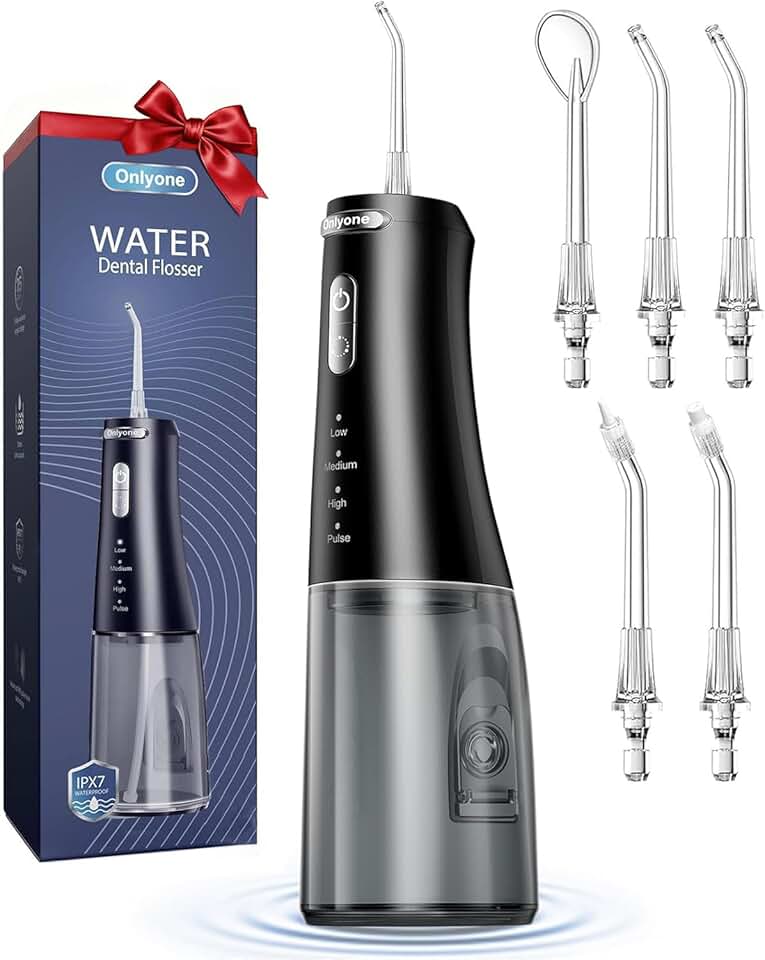


As an Amazon Associate, we may earn from qualifying purchases.
When comparing options, prioritize transparency. A good dentist will discuss fees upfront, especially for complex procedures. Use comparison tables to weigh features like emergency availability, pediatric specialization, and accepted insurance plans against the out-of-pocket costs. This approach ensures you get quality care without financial strain.
Shortlist real options
Finding a dentist who handles both sudden emergencies and routine pediatric care requires narrowing the field to practices that balance speed with continuity. The following comparison highlights three prominent options in the Roseville area, selected for their specific strengths in emergency response, family-focused care, and pediatric specialization. We compare them on availability, service scope, and patient experience to help you decide which model fits your family's immediate needs.
| Practice | Emergency Readiness | Pediatric Focus | Standout Feature |
|---|---|---|---|
| Twelve Bridges Dental Group | Same-day slots available | Full family services | State-of-the-art technology for quick diagnostics |
| Rocky Ridge Family Dental | Urgent care calls prioritized | Child-friendly environment | Compassionate, long-term family relationships |
| Discover Dental (Dr. Pak) | Personalized treatment plans | Confident smile building | Highly rated personalized care approach |
Twelve Bridges Dental Group stands out for its technological infrastructure. Dr. Raj and Insiya Zanzi offer same-day emergency slots, which is critical when a child knocks out a tooth or a parent experiences severe pain. Their state-of-the-art diagnostic tools allow for faster, more accurate treatment plans, reducing the time patients spend in the chair. This is ideal for families who value efficiency and modern precision.
Rocky Ridge Family Dental emphasizes a different kind of readiness: emotional comfort. For pediatric patients, anxiety is often the biggest barrier to care. This practice focuses on building long-term relationships, ensuring that children grow up viewing dental visits as routine rather than traumatic. Their urgent care lines are prioritized for existing patients, making them a strong choice for established families seeking a consistent, compassionate provider.
Discover Dental, led by Dr. Jaclyn Pak, offers a middle ground with a strong emphasis on personalized treatment. Dr. Pak is noted for building "confident smiles" through tailored care plans that address both immediate issues and long-term health. While not exclusively a pediatric practice, their approach to family dentistry is highly rated for its attention to individual patient needs, making it a solid option for those who want a dentist who listens as closely as they treat.
Inspect the expensive parts
Dental care carries high stakes. A failed root canal or a lost crown costs significantly more than a preventive checkup. When evaluating a new dentist, especially for emergency or pediatric needs, look past the marketing and inspect the operational backbone. These are the failure points that matter when things go wrong.
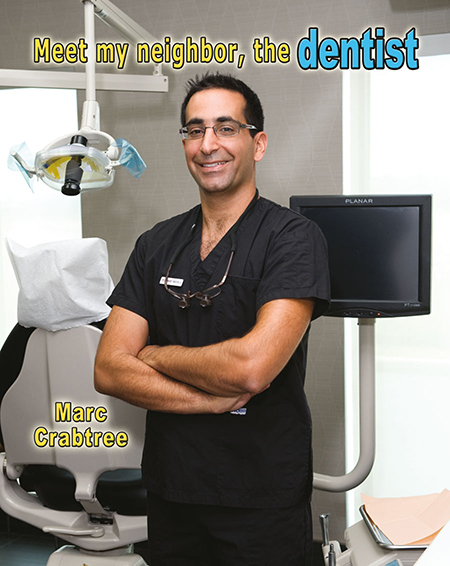
Ask directly about their after-hours protocol. Does the office have an on-call dentist, or do they refer you to an urgent care clinic? For pediatric emergencies, ensure they handle trauma like knocked-out teeth in-house or have a guaranteed same-day referral network. If they just say "call Monday," they are not equipped for emergencies.

Outdated X-ray machines produce blurry images, leading to missed cavities or misdiagnosed nerve damage. Ask when their digital sensors and chairs were last replaced. Look for sealed sterilization pouches in the treatment room. If the office looks run-down, the equipment likely is too.
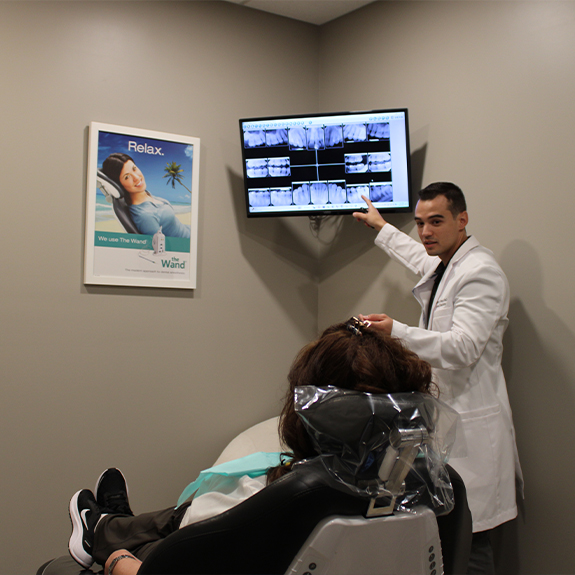
If your child needs sedation, verify the dentist’s specific training in pediatric sedation, not just general anesthesia. Ask about their monitoring equipment (pulse oximetry, ECG) and whether they have hospital privileges if a complication occurs. This is a non-negotiable safety check for young patients.

Shady practices hide costs until after the procedure. A reputable office will provide a written treatment plan with exact fees before any work begins. Ask if they offer in-house membership plans for uninsured patients. Clear, upfront pricing is the best indicator of a trustworthy provider.
Ownership costs and maintenance surprises
The sticker price is only the first expense. True ownership cost includes the tools, supplies, and labor required to keep the practice running and compliant. A cheap buy often stops being cheap when hidden costs accumulate. You must account for recurring consumables, licensing fees, and the time spent on maintenance.
Initial setup vs. recurring expenses
Buying a chair or drill is a one-time capital expense. Consumables like gloves, masks, and sterilization pouches are recurring operational costs. They never stop. If a practice underestimates monthly supply spend, cash flow suffers quickly. Budget for these items separately from the equipment purchase. Treat them as fixed overhead, not optional extras.
Maintenance and repair costs
Equipment breaks. Drills wear out, chairs need hydraulic fluid, and X-ray sensors degrade. Routine maintenance is cheaper than emergency repairs. A neglected compressor can fail during a patient appointment, costing you time and reputation. Set aside a percentage of revenue specifically for equipment upkeep. This prevents surprise bills that disrupt operations.
When cheap stops being cheap
Low-cost equipment often lacks durability or customer support. If a $500 tool breaks in six months, you’ve spent more than the $1,000 alternative that lasts five years. Factor in downtime. A broken drill means no patients, no revenue. Calculate the total cost of ownership over five years, not just the initial invoice. The cheapest option today is often the most expensive tomorrow.

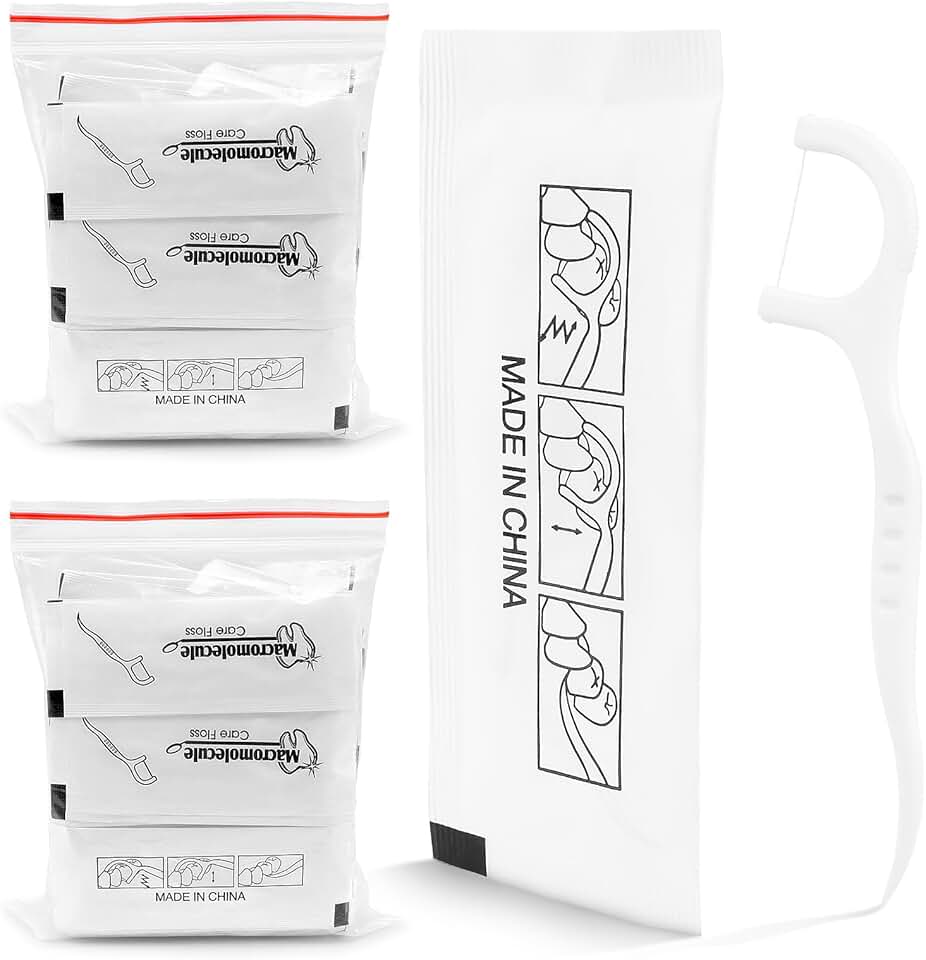

As an Amazon Associate, we may earn from qualifying purchases.
Focus on reliability over initial price. The best value comes from equipment that works consistently and supports your practice’s standards. Avoid buying based on price alone. Consider the total lifecycle cost, including maintenance, repairs, and potential downtime.
Meet My Dentist: Common Questions Answered
Choosing a dental provider involves more than just proximity. We address the practical questions that come up when evaluating emergency readiness, pediatric care, and overall practice reliability.
These answers help filter out practices that don't prioritize transparency or preventive care. When evaluating emergency dentists, look for clear after-hours protocols. For pediatric care, verify that the office is equipped to handle young children calmly and safely.
No comments yet. Be the first to share your thoughts!