
Start with your insurance network
The fastest way to find a dentist who fits your needs without breaking the bank is to look inside the walls of your current dental insurance plan. Insurance company directories are your most reliable map for in-network care, ensuring that the providers you consider have already negotiated rates with your carrier. This step saves you from the headache of surprise bills and helps you narrow down a long list of local options to those that are actually affordable under your specific policy.
Most major providers, including Delta Dental, offer online search tools where you can enter your zip code or current location to see a list of participating dentists. These directories allow you to filter by specialty, office hours, and sometimes even patient reviews. While this doesn't guarantee the dentist is the best clinical match for you, it guarantees they are a financial match for your coverage. Always double-check the details, as directories can sometimes lag behind provider changes.
Once you have a shortlist from your insurer’s website, cross-reference it with your personal preferences. Look for offices that are close to your home or work, have hours that fit your schedule, and specialize in the care you need, whether that’s routine cleanings or orthodontics. Starting with your insurance network is not the final step, but it is the most critical filter for keeping your search grounded in reality.
Use the ADA Find-a-Dentist tool
When you need to find a dentist who meets professional standards, the American Dental Association’s directory is the most reliable starting point. Unlike commercial listing sites that prioritize advertising spend or generic review counts, the ADA’s tool verifies membership status and professional standing. This verification process filters out many of the noise factors that complicate a standard web search, giving you a curated list of practitioners who adhere to the association’s code of ethics.
The platform allows you to search by zip code, specialty, or language, making it easier to locate care that fits your specific needs. Whether you are looking for a pediatric specialist or a general practitioner who speaks a second language, the directory narrows down the field to verified members. This reduces the guesswork involved in vetting a new provider, allowing you to focus on scheduling a consultation rather than sorting through unverified profiles.
While the ADA directory doesn’t display patient reviews, it serves as a critical foundation for your search. You can use the resulting list of names to cross-reference with other resources, such as state dental board records or personal referrals, to complete your evaluation. Starting with this trusted, non-commercial resource ensures that the dentists you consider are legitimate, qualified professionals committed to continuing education and ethical practice.
Compare booking platforms and reviews
When you are trying to find a dentist who fits your needs, third-party platforms act as a filter for both availability and patient sentiment. Sites like Zocdoc allow you to search by location, insurance, and real-time appointment slots, letting you book instantly online. This reduces the friction of phone tag and helps you verify that a provider actually has open time for new patients.
However, not all directories serve the same purpose. Insurance portals are excellent for verifying coverage but often lack detailed patient reviews. Dedicated booking apps prioritize speed and availability but may include providers who do not accept your specific plan. Understanding these differences helps you choose the right tool for the initial screening phase.
The following comparison breaks down the key differences between using your insurance directory versus a third-party booking platform. Use this to decide which method yields the best results for your specific situation.
| Feature | Insurance Directory | Booking Platform (e.g., Zocdoc) |
|---|---|---|
| Coverage Verification | High accuracy | Limited or none |
| Review Depth | Low | High |
| Booking Speed | Slow (phone/email) | Instant online |
| Availability Visibility | None | Real-time slots |
Verify credentials and specialties
Finding a dentist who fits your needs starts with confirming their license is active and in good standing. Every state dental board maintains an online directory where you can search by name or license number. This step is non-negotiable; it ensures the provider has met the minimum educational and ethical standards to practice. You can also check for any disciplinary actions or malpractice claims filed against them, which provides transparency about their professional history.
Beyond the license, you must determine if a general dentist is sufficient or if a specialist is required. General dentists handle routine care like cleanings, fillings, and exams. However, complex issues often require a specialist’s expertise. For example, straightening teeth requires an orthodontist, while gum disease treatment falls under periodontists. Other specialists include endodontists for root canals and oral surgeons for extractions.
Your insurance provider’s directory is a practical first stop for this verification. Insurers typically categorize providers by specialty, making it easier to filter for the right type of care. If your insurance portal lacks detail, cross-reference with the American Dental Association’s Find-a-Dentist tool or your state board’s website. This dual-check approach ensures you are not only covered by your plan but also treating the correct condition with the right professional.
When you identify a potential provider, look for board certification. While all licensed dentists are certified, board certification in a specialty indicates additional rigorous testing and peer review. This extra credential often correlates with higher proficiency in complex procedures, giving you greater confidence in specialized treatments.
Prepare for your first visit
Your initial consultation is the best way to find a dentist who fits your needs. Treat this appointment as a two-way interview. You are evaluating their communication style, office environment, and clinical approach just as much as they are assessing your oral health.
Come prepared with specific questions and the right paperwork. This ensures you get a complete picture of how they practice and whether their schedule and philosophy align with yours.
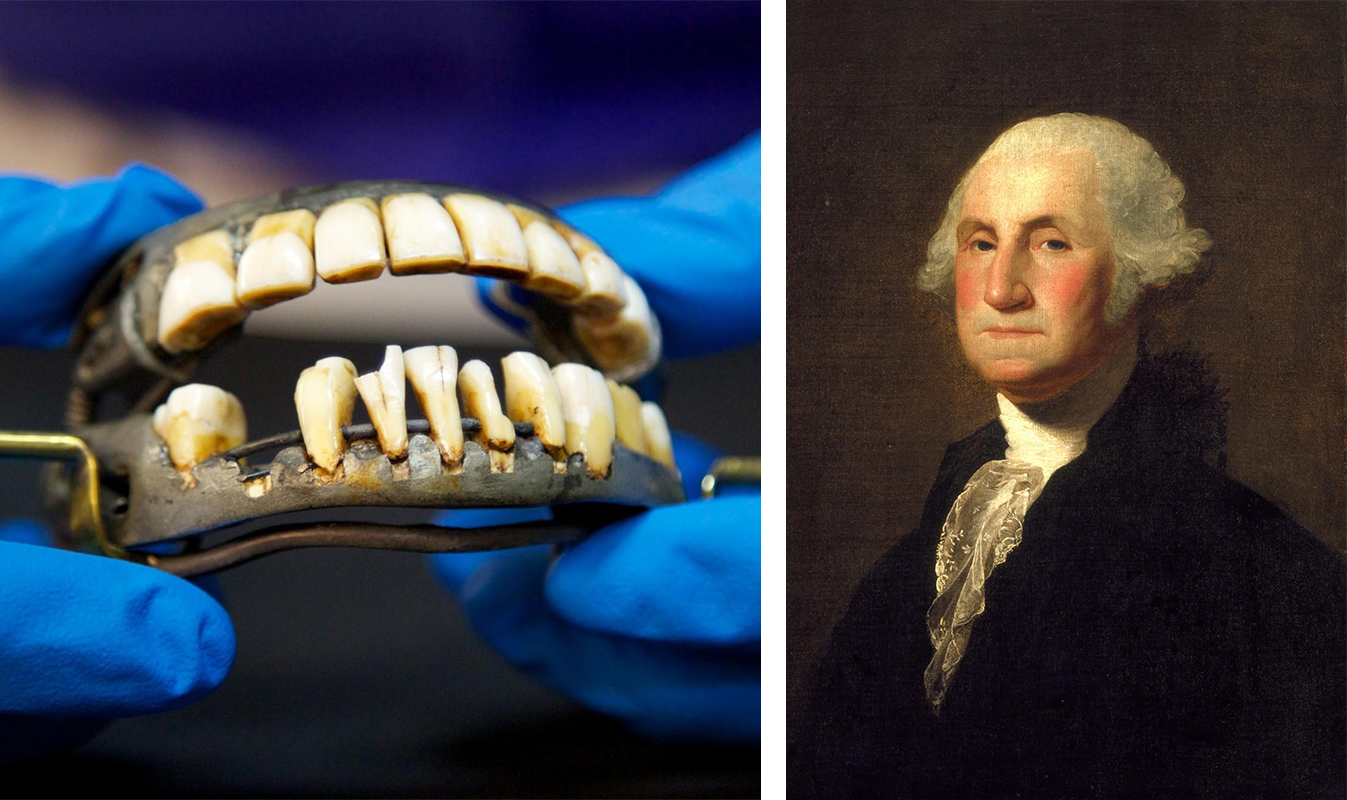
Bring a complete list of current medications, supplements, and any relevant medical conditions. Many dental treatments interact with prescriptions, and your dentist needs this data to ensure your safety during procedures.
Have your insurance card and policy number ready. Ask if they accept your plan directly and what your estimated out-of-pocket costs might be for a standard cleaning and exam. Knowing this upfront helps avoid billing surprises.
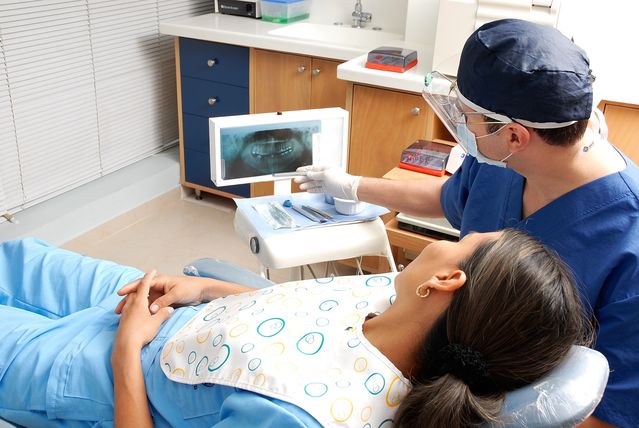
Inquire about their philosophy on preventive care versus restorative work. Do they recommend frequent X-rays? How do they handle anxiety? A good fit means their treatment style matches your comfort level and health goals.

Ask how they handle dental emergencies outside of regular office hours. Do they have an on-call service, or do they refer patients to an emergency room? Knowing this path in advance reduces stress if an issue arises unexpectedly.


As an Amazon Associate, we may earn from qualifying purchases.
Common questions about finding care
Finding a dentist who fits your needs often comes down to matching specific criteria, from insurance networks to communication styles. Here are answers to the most frequent questions about navigating your search.
What is the 2 year dentist rule?
The "2-year rule" is a practical guideline for maintenance. Most dental associations recommend a professional cleaning and exam every six months, meaning you should schedule your next visit within two years of your last checkup. If you have a history of gum disease or cavities, your dentist may shorten this window to every three or four months. Sticking to this schedule helps catch issues early, but if you haven't seen a dentist in over two years, it is time to find a new provider for a comprehensive baseline exam.
When to see a dentist for gum pain?
Do not wait for pain to become severe. See a dentist if you notice bleeding when brushing, persistent redness, or swelling that lasts more than a few days. Gum pain can signal gingivitis or periodontitis, conditions that are easier to treat when caught early. If you experience throbbing pain, pus, or loose teeth, seek care immediately, as these are signs of infection that require professional intervention.
What is the best way to find a good dentist?
The most reliable method is combining personal referrals with verified credentials. Ask friends or family for recommendations, then verify the dentist's standing with the American Dental Association or your state dental board. Use tools like the ADA's "Find a Dentist" search to locate in-network providers who accept your insurance. Reading recent patient reviews can also provide insight into office hygiene, wait times, and bedside manner.
Essential dental care products
Finding a dentist is the foundation of oral health, but maintaining that health at home requires the right tools. Professional cleanings remove tartar, but daily habits prevent it from forming in the first place. The products you choose should complement your dentist’s recommendations, not replace them.
Focus on tools that make consistent care easier. Electric toothbrushes with pressure sensors help you avoid damaging your gums while ensuring thorough cleaning. Water flossers can be particularly helpful if you have braces, implants, or tight spacing that traditional floss struggles to reach.
These devices work best when paired with fluoride toothpaste and antimicrobial mouthwash. Your dentist may recommend specific brands based on your sensitivity levels or cavity risk. Below are highly-rated options available on Amazon that many dental professionals suggest for daily maintenance.


As an Amazon Associate, we may earn from qualifying purchases.
No comments yet. Be the first to share your thoughts!