

How screens affect small teeth
Handing a tablet to a toddler at the doctor's office is a survival tactic most parents know well. While Peppa Pig buys ten minutes of peace, pediatric dentists are noticing that this screen time habit correlates with specific dental issues. I'm not suggesting we ban tablets, but we should look at how they change the way kids use their mouths.
The connection isn’t simple. Increased screen time can lead to physiological changes, like mouth breathing, and behavioral changes, like increased snacking. Emerging research suggests a correlation between extended screen use and a higher incidence of cavities and misaligned teeth in children. It's not necessarily a direct cause-and-effect, but the patterns are becoming clear enough to warrant attention.
Saliva is the mouth's natural cleaner. When kids zone out in front of a screen, they often start breathing through their mouths. This dries everything out, giving bacteria a chance to settle in. If they're also snacking while they watch, the sugar sits on their teeth without any saliva to wash it away.
The mouth breathing problem
Mouth breathing, often a byproduct of concentrated screen time, isn’t just a minor habit. It significantly impacts how a child’s face and teeth develop. Consistently breathing through the mouth alters muscle function in the face, potentially leading to a longer, narrower facial structure and crowding of the teeth. This can necessitate orthodontic intervention later in life.
Saliva plays a critical role in maintaining oral health. It neutralizes acids, washes away food particles, and contains minerals that help remineralize tooth enamel. Mouth breathing bypasses these natural defenses, increasing the risk of cavities and gum disease. Think of saliva as the mouth’s built-in cleaning system – when it’s compromised, problems arise.
There’s also a growing awareness of the link between mouth breathing and sleep-disordered breathing, such as snoring or even sleep apnea. These conditions can further disrupt sleep, impacting overall health and potentially exacerbating dental issues. If you suspect your child is a chronic mouth breather, especially during sleep, a discussion with your pediatrician and a pediatric dentist is crucial.
Snacking & Sugary Drinks: A Digital Double Whammy
Let’s face it: screens and snacks often go hand-in-hand. It’s easy for kids to mindlessly munch on chips, cookies, or sugary drinks while absorbed in a video game or show. This combination is particularly detrimental to dental health. The constant exposure to sugar feeds the bacteria in the mouth, which then produce acids that erode tooth enamel.
The science is straightforward: sugar is the primary fuel for cavity-causing bacteria. Frequent snacking, especially with sugary or acidic foods and drinks, creates a constant acidic environment in the mouth. This weakens enamel and increases the risk of tooth decay. Sticky sweets are especially problematic, as they cling to teeth for extended periods.
Instead of restricting all snacks, focus on mindful alternatives. Offer water, cheese, vegetables, or fruits. If a treat is allowed, encourage your child to enjoy it as part of a meal rather than as a prolonged snacking session. Establishing these habits early can make a significant difference in their long-term dental health. It’s not about deprivation, it's about making smarter choices.
Using VR as a distraction
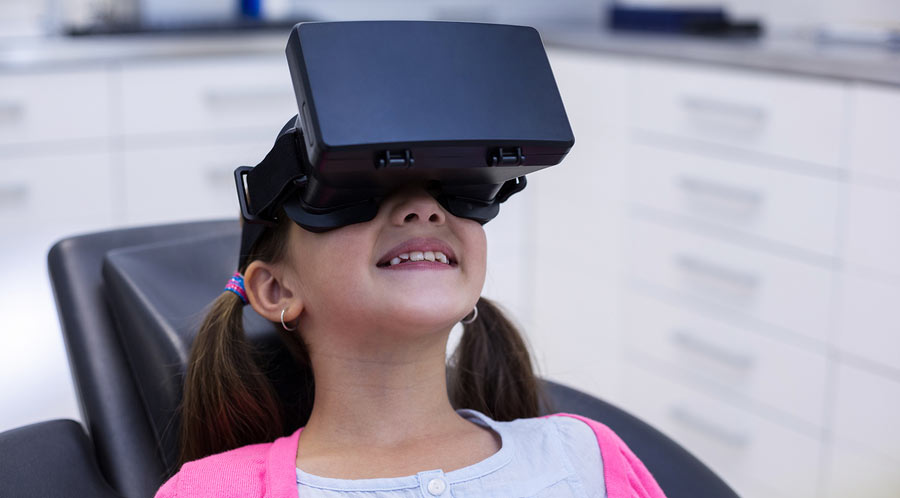
Some offices now use virtual reality headsets to keep kids calm during fillings or cleanings. It's a distraction technique that actually works. If a child is focused on a virtual underwater world, they're less likely to panic about the tools in their mouth.
The idea is simple but effective: a child wears a VR headset and is immersed in a calming or engaging virtual environment—perhaps an underwater adventure or a playful cartoon world—while the dentist is working. This distraction can significantly reduce the perception of pain and discomfort. Many dentists report that children are more cooperative and less fearful when using VR.
Beyond distraction, VR also holds promise for dental health education. Imagine a VR experience that shows children inside their mouths, illustrating the importance of brushing and flossing. This interactive learning could be far more impactful than traditional explanations. While still emerging, VR represents a significant step towards a more positive and effective dental experience for children. It’s really changing the way some Best Dentists approach care.
Finding a Pediatric Dentist: What to Look For
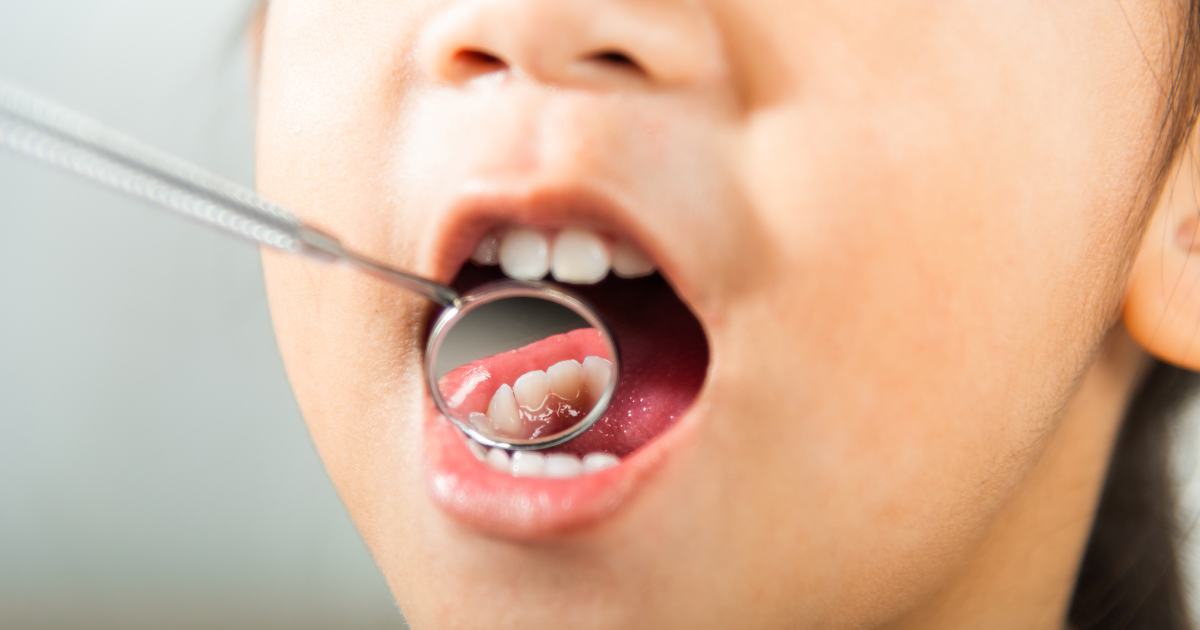
Choosing the right dentist for your child is a crucial decision. A pediatric dentist specializes in the oral health of infants, children, and adolescents. They have the training and experience to address the unique dental needs of this age group. Look for dentists who are board-certified by the American Academy of Pediatric Dentistry—this signifies a high level of expertise.
When interviewing potential dentists, ask about their experience with anxious children, their approach to preventative care, and their office’s safety protocols. A child-friendly environment is also essential—look for offices with bright colors, playful décor, and a welcoming atmosphere. The goal is to create an experience that is positive and non-threatening.
Meet My Dentist offers a helpful search tool to find Quality Dental Care and pediatric dentists in your area. You can also take their Pediatric Dental Services Quiz to assess your knowledge and understand what to look for in a provider. Finding a dentist who you trust and who your child feels comfortable with is paramount for establishing lifelong oral health habits.
- Check if they are board-certified by the American Academy of Pediatric Dentistry.
- Experience with anxious children
- Focus on preventative care
- Child-friendly office environment
Is Your Child's Dentist a Good Fit for the Digital Age?
In today's world, children are spending more time than ever with screens. This can impact their oral health in surprising ways. Finding a pediatric dentist who understands these challenges – and can address them – is crucial. This quick quiz will help you assess if your child's dentist is equipped to support their dental health in the digital age.
Practical Tips: Balancing Screens & Smiles
Balancing screen time and children's dental health requires a conscious effort. Start by establishing reasonable screen time limits. The American Academy of Pediatrics recommends limiting screen use to one hour per day for children ages 2-5, and encouraging open communication about online activities for older children. These are guidelines, and what works best will vary by family.
Encourage mindful snacking by offering healthy alternatives and discouraging eating while using screens. Promote good oral hygiene habits by brushing and flossing together as a family. Make it a fun and positive experience, not a chore. Consider implementing a screen-free bedtime routine to allow the mouth to naturally clear and recover overnight.
Remember, consistency is key. Small, sustainable changes are more effective than drastic restrictions. It’s about creating a healthy balance that supports both your child’s overall well-being and their dental health. Don't beat yourself up over occasional slip-ups; just get back on track with the next meal or activity.
Amazon Finds: Dental Health Helpers
Luckily, there's a wealth of products available to support your child’s dental health, many easily accessible on Amazon. Electric toothbrushes designed for kids, like the Philips Sonicare for Kids, often feature built-in timers and fun characters to encourage brushing. These typically range from $30 to $60.
Fluoride toothpaste is essential, but be sure to choose a formula appropriate for your child’s age. Look for options with the American Dental Association Seal of Acceptance. A pack of Colgate Kids toothpaste usually costs around $10-$15. Flossers designed for small hands, such as Plackers Kids Flossers ($6-$10 per pack), can make flossing easier and more engaging.
Timer tools, like a 2-minute sand timer ($8-$12), can help ensure your child brushes for the recommended duration. And for younger children, dental-themed books like “The Berenstain Bears Visit the Dentist” ($5-$10) can help alleviate anxiety and introduce the importance of oral hygiene. These are just a few examples – a quick search on Amazon will reveal many more helpful options.
Essential Tools for Little Smiles: Pediatric Dental Care in the Digital Age

Designed for children and toddlers aged 3+ · Features popular Disney's Frozen characters · Soft bristles for gentle cleaning
This electric toothbrush makes brushing fun for young children with its engaging characters and gentle cleaning action, encouraging consistent oral hygiene.
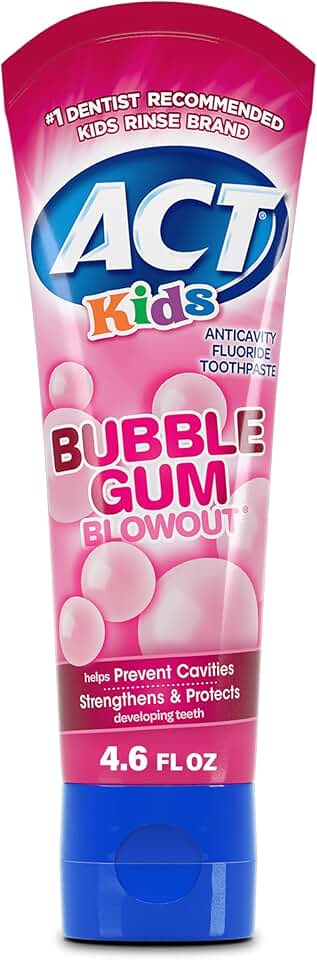
Anticavity fluoride toothpaste · Bubble Gum Blowout flavor · 4.6 oz size
This fluoride toothpaste helps protect against cavities with a fun flavor that encourages children to brush regularly, supporting their oral health.

Kid-friendly floss picks · Wild Fruit flavor · 90 count pack
These fun flossers make interdental cleaning easy and enjoyable for children, helping to establish good flossing habits from an early age.

Two 2-minute sand timers · Assorted colors · Helps time brushing sessions
This sand timer visually guides children to brush for the dentist-recommended two minutes, making a crucial part of their routine engaging and measurable.

Board book format · Focuses on teeth and dental health · Part of the Bright & Early Board Books series
This board book introduces young children to the importance of dental care in an accessible and engaging format, fostering early understanding and positive associations with oral hygiene.
As an Amazon Associate I earn from qualifying purchases. Prices may vary.
No comments yet. Be the first to share your thoughts!