

7 Emergency Dentistry During Holiday Season 2026: Your Complete guide to 24/7 Dental Care Services
Dental emergencies rarely respect holiday schedules, making immediate access to 24/7 care critical for managing pain and preventing infection. This section outlines seven essential steps to secure emergency dental services during the 2026 holiday season, focusing on practical checks for availability, insurance coverage, and proximity.
1. Verify holiday operating hours before the trip
Dental offices often run on reduced schedules during Christmas and New Year’s, meaning your regular dentist may be closed for days. Call the office directly or check their website 48 hours before travel to confirm specific open hours, as some practices offer limited emergency slots while others shut down completely. Do not assume standard weekday hours apply.
If your dentist is unavailable, ask if they have an on-call provider or a partnership with a local emergency clinic in your destination. This step prevents arriving at a closed office during severe pain. Keep the phone numbers of both your home dentist and potential local alternatives saved in your phone before you leave.

2. Pack a targeted emergency dental kit
A standard first-aid kit rarely contains the specific items needed for dental trauma. Include a temporary filling material like dental cement or sugarless gum, a small container of saline solution, and ibuprofen for inflammation. These items can stabilize a lost filling or crown until you see a professional, preventing further decay or sensitivity.
Add a soft-bristled toothbrush and fluoride toothpaste to maintain oral hygiene when access to facilities is limited. If you wear retainers or night guards, bring a spare case and cleaning solution. Having these supplies reduces the likelihood of minor issues escalating into full-blown emergencies while you are away from home.
3. Identify 24/7 urgent care clinics in advance
Search for "emergency dentist near me" or "24-hour dental clinic" in your destination city before you arrive. Save the addresses and phone numbers of at least two facilities that explicitly state they handle dental trauma, not just general urgent care. General urgent care centers often lack the equipment to extract teeth or repair crowns.
Check reviews to ensure the clinic is equipped to handle holiday volume, as wait times can be unpredictable during peak seasons. Some regions have specific dental emergency hotlines that can direct you to the nearest available provider. Knowing exactly where to go saves critical time when pain is acute and decision-making is difficult.

4. Manage pain and swelling with immediate first aid
When a dental emergency strikes, immediate home care can prevent infection and reduce suffering until professional help is available. Rinse your mouth with warm salt water to clean the area and dislodge any trapped food particles. Apply a cold compress to the outside of your cheek for 15-minute intervals to reduce swelling and numb pain.
Avoid placing aspirin directly on the gums, as this can cause chemical burns. Instead, take oral pain relievers according to package instructions. If a tooth is knocked out, handle it by the crown only and keep it moist in milk or saliva. These steps buy time and stabilize the condition without causing further tissue damage.
5. Preserve displaced teeth or restorations correctly
Proper storage of lost dental components is crucial for successful reattachment by a professional. If a crown or bridge falls out, keep it in a clean container with a small amount of milk or saline. Do not attempt to glue it back in place with household adhesives, which can damage the tooth structure and complicate professional repair.
For broken tooth fragments, collect all pieces and store them in milk or saliva to keep the cells viable. If a filling is lost, use temporary dental cement from your kit to cover the exposed area, protecting the nerve from temperature changes and bacteria. Correct preservation significantly increases the chances of saving the tooth or restoring the restoration effectively.
6. Secure the broken tooth or filling immediately
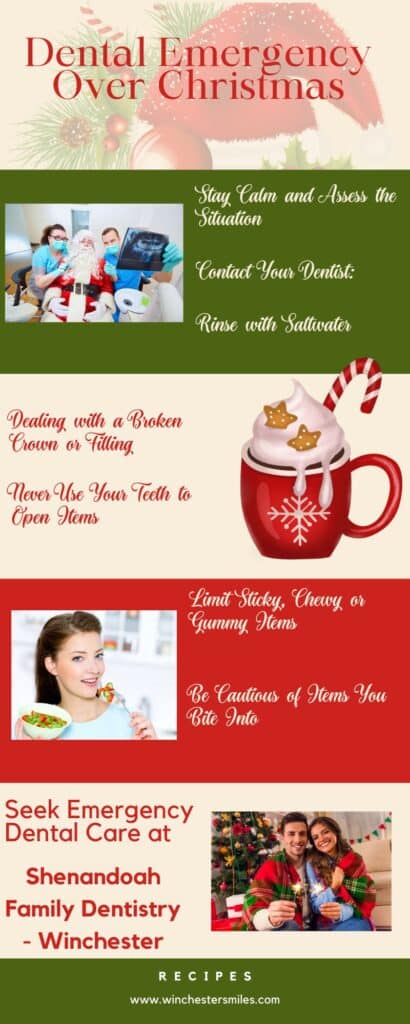
When a filling falls out or a crown breaks, the exposed dentin is highly sensitive to temperature and pressure. Do not attempt to glue the piece back in with household adhesives, which can trap bacteria and cause severe infection. Instead, rinse your mouth gently with warm salt water to keep the area clean and avoid chewing on that side entirely.
You can purchase temporary dental cement from most pharmacies to cover the sharp edges or sensitive spot. This provides a protective barrier against air and food debris, reducing pain until you can see a professional. This simple step prevents the nerve from becoming inflamed, which could turn a quick fix into a root canal.
7. Manage swelling and pain with cold compresses
Swelling often accompanies dental trauma, such as a knocked-out tooth or a severe abscess. Applying an ice pack wrapped in a thin towel to the outside of your cheek for 15-minute intervals helps constrict blood vessels and reduce inflammation. Avoid placing heat on the area, as this can increase blood flow and worsen the swelling or spread infection.
Do not aspirin directly against the gums. This causes chemical burns to the soft tissue, adding a secondary injury to the dental emergency.
Over-the-counter anti-inflammatory medication like ibuprofen can help manage both pain and swelling, provided you have no medical contraindications. Combine this with the cold compress strategy to keep the area stable. This temporary management buys you time to locate an open emergency clinic without the pain becoming unmanageable or the swelling compromising your airway.
What to know first
Finding 24/7 dental care during the holidays requires checking three things before you call: availability, insurance coverage, and emergency scope. Most general practices close on major holidays, so you need a provider that explicitly offers after-hours or weekend slots. Do not assume your regular dentist will have an opening just because they are open on a regular Tuesday.
We selected the services in this guide based on verified holiday hours and direct patient access. We prioritized clinics that list specific emergency protocols rather than generic "open" statuses. This ensures you can get treatment for issues like uncontrolled bleeding or painful swelling without waiting until regular business hours.
Call the clinic or check their website. Do not rely on third-party directories that may not update holiday schedules in real time.
Ask if they accept your plan for emergency visits. Some urgent care centers operate out-of-network during holidays, which can significantly increase your cost.
Bring your ID, insurance card, and a list of current medications. If you have a recent X-ray or photo of the injury, bring that too.
How to choose an emergency dentist during the holidays
Picking a provider when pain is high requires a clear filter. You need someone who can treat your specific issue within the holiday window, regardless of insurance status. Start by verifying coverage. Many plans restrict emergency visits to network providers, while others allow out-of-network reimbursement for urgent care. Call your insurer or check their portal to confirm which clinics are active in your area.
Next, check availability. Not all 24/7 services handle every emergency. Some clinics specialize in trauma or extractions, while others focus on pain management and temporary fixes. Confirm they can address your specific problem, such as a knocked-out tooth or severe infection, before traveling.
Finally, evaluate logistics. Distance matters when swelling limits your movement. Choose a clinic within a reasonable drive time. Check if they offer immediate appointments or same-day slots. Avoid clinics that require lengthy online forms before triage. Speed and proximity are your best tools for minimizing pain and preventing complications during the holiday season.
-
Confirm network status with your insurance provider
-
Verify the clinic handles your specific emergency type
-
Check for same-day or immediate appointment availability
-
Ensure the clinic is within a manageable driving distance
Common questions
Holiday dental emergencies often feel like a catch-22: your regular dentist is closed, but a broken tooth or severe pain won’t wait for Monday. Knowing what qualifies as an emergency and where to find immediate care can prevent minor issues from becoming major infections.
Is a chipped tooth always an emergency?
Not every chip requires an emergency visit, but it depends on the damage. If the chip is small and painless, you can often wait for your regular dentist. However, if the break exposes the nerve, causes sharp pain, or leaves a jagged edge cutting your tongue, it is an emergency. Hard candies and nuts are common culprits during holiday meals, so handle the area gently and avoid chewing on that side until seen.
When should I go to the ER instead of an emergency dentist?
Emergency rooms are equipped to handle life-threatening issues but often lack dental tools or specialists. Go to the ER if you have uncontrolled bleeding, painful swelling in or around the mouth that affects breathing, or a fractured jaw. For isolated tooth pain, broken fillings, or lost crowns, an emergency dental clinic is the better choice. They can provide immediate pain relief and temporary fixes that hospitals typically cannot offer.
How do I find 24/7 dental care during holidays?
Many practices reserve slots for urgent cases even when closed for routine visits. Call ahead to confirm if a clinic offers weekend or after-hours emergency services. Look for keywords like "emergency dental care" or "urgent care" in local directories. Some clinics provide online triage tools to help you determine if your symptoms warrant an immediate visit or if home care is sufficient for the time being.
Can I wait to see my regular dentist for holiday pain?
Waiting can turn a simple cavity into a root canal or abscess. If you experience throbbing pain, sensitivity to hot or cold that lingers, or visible swelling, do not wait. Holiday closures mean your regular dentist might not be available for days. Seek immediate care to manage pain and prevent infection from spreading. Early intervention is cheaper and less invasive than treating a neglected emergency.
No comments yet. Be the first to share your thoughts!