

Why Meet My Dentist Matters
Finding a reliable local dentist is one of the most important health decisions you make. Unlike treating a temporary illness, dental care is a long-term partnership that affects your overall well-being, confidence, and quality of life. The phrase "meet my dentist" captures two distinct but connected ideas: the initial consultation where you assess compatibility, and the broader ecosystem of practices that prioritize patient education and comfort.
The "Meet My Dentist" concept goes beyond a simple introduction. It represents a service philosophy where providers like My Dentist focus on personalized care solutions rather than just procedural efficiency. When a practice emphasizes this approach, it signals that they view you as a partner in your oral health journey. This matters because trust reduces anxiety, and clear communication leads to better adherence to preventive care.
When you search for a provider, look for teams that explicitly state their mission to provide thoughtful, excellent care. This intent often translates into a more comfortable office environment where questions are encouraged. By prioritizing this connection early, you ensure that your dental care supports your long-term health goals rather than just addressing immediate problems.
How to Verify Local Credentials
Choosing a dentist is a high-stakes health decision. Before booking an appointment, you should confirm that your provider holds valid licenses and maintains current certifications. Relying on official state records and the American Dental Association (ADA) ensures you are working with a qualified professional.
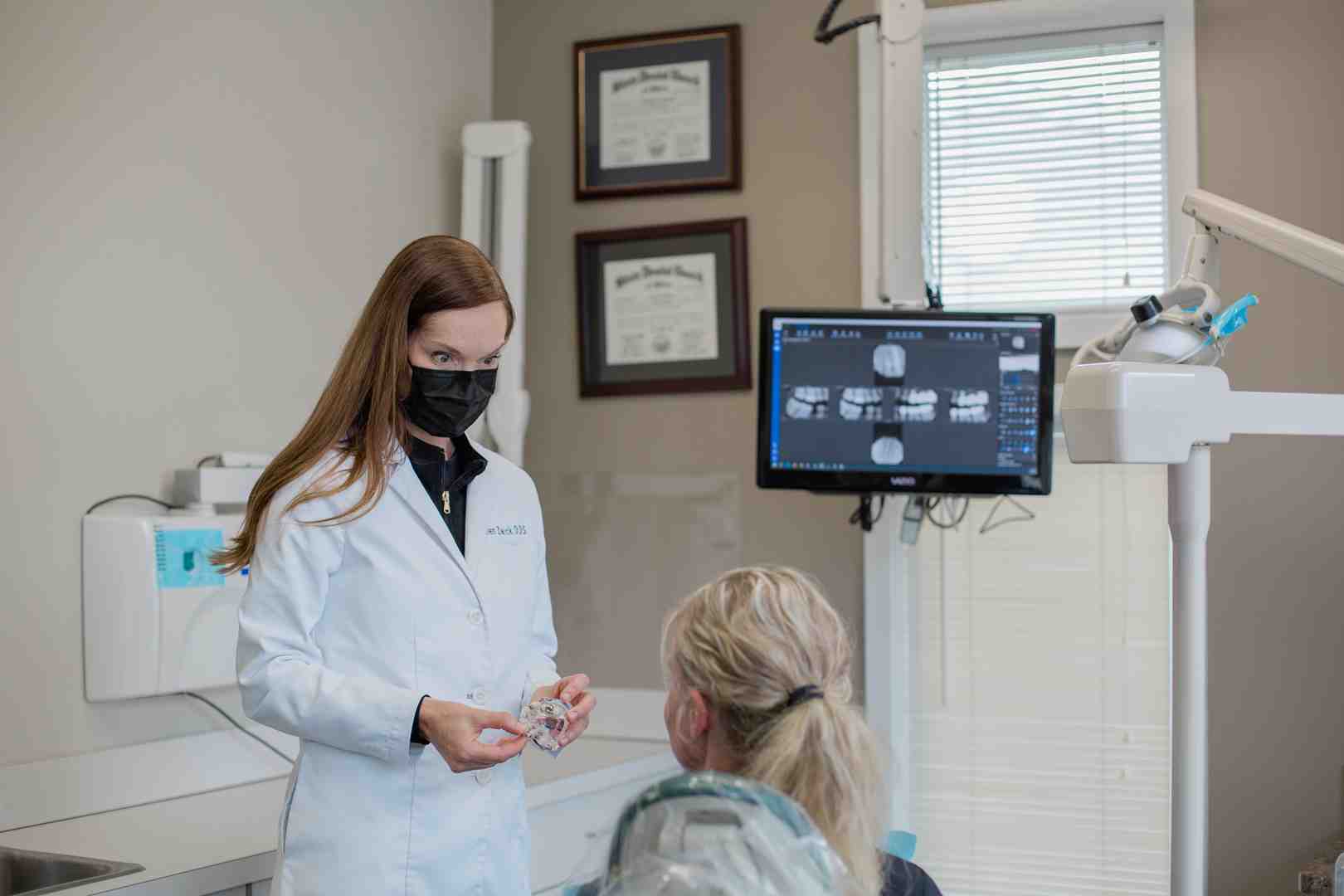
Every licensed dentist must be registered with their state’s dental board. Visit your state’s official website to search for the dentist’s name. This database confirms their license status, any disciplinary actions, and expiration dates. A valid, active license is the baseline requirement for safe practice.
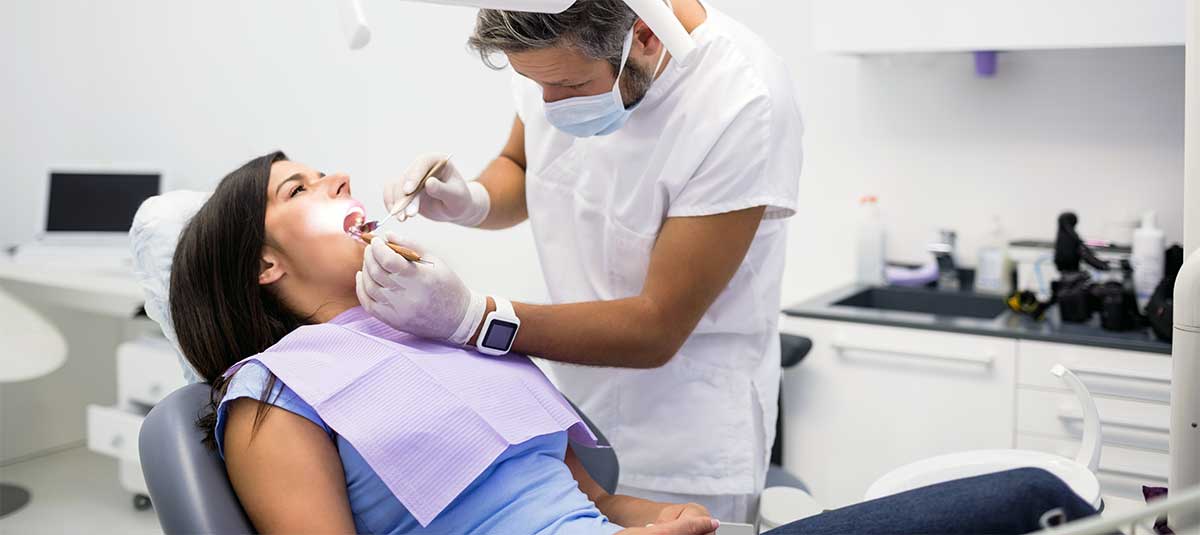
Use the ADA’s Find-A-Dentist tool to locate members in your area. Membership indicates a commitment to ethical standards and continuing education. While not mandatory, it often correlates with higher professional oversight and access to the latest dental technologies.
Some dentists hold specialty certifications in orthodontics, periodontics, or oral surgery. These credentials require additional years of training beyond dental school. Check the dentist’s profile on the state board or ADA site to see if they have pursued these advanced qualifications for specific procedures.
Dentistry evolves rapidly. Reputable dentists complete required continuing education (CE) credits to stay current with new techniques and safety protocols. While CE records are often not public, you can ask during your initial consultation. A dentist who actively updates their knowledge is less likely to rely on outdated methods.
Once you have verified credentials, you can proceed with confidence to discuss treatment options. Always ask for a detailed treatment plan and cost estimate before starting any procedure.
Comparing family dental services
Finding the right dentist for your household means looking past the brand name to understand the actual scope of care offered. Practices generally fall into three categories: general family dentistry, pediatric-focused clinics, and cosmetic or specialty centers. Each type handles your family’s health needs differently, affecting everything from appointment length to insurance acceptance.
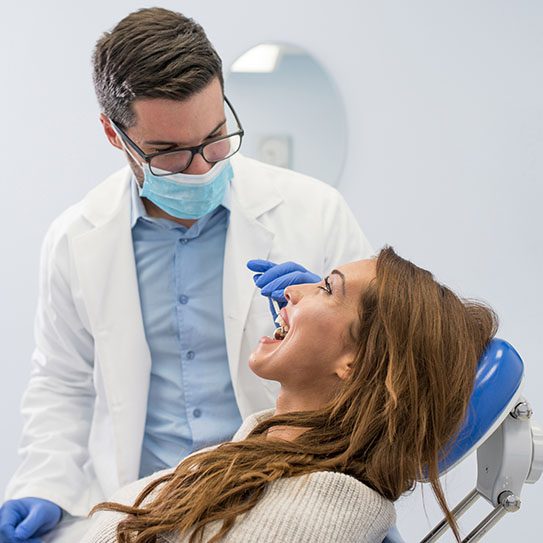
The image below illustrates the modern family dental environment, where comfort and efficiency are prioritized to reduce anxiety for both children and adults.
Most family practices, such as those found in Fargo or Charlotte, offer a broad spectrum of services under one roof. These offices typically handle routine cleanings, fillings, and basic restorative work, making them the most convenient option for multi-generational households. In contrast, specialized pediatric clinics focus exclusively on children’s developing teeth, often featuring more child-friendly decor and longer appointment times to accommodate younger patients who may need extra reassurance.
Cosmetic and implant-focused practices prioritize aesthetic outcomes and complex restorative procedures. While they may not be the best starting point for a child’s first checkup, they are essential for adults seeking veneers, whitening, or tooth replacement. Understanding these distinctions helps you match your family’s specific needs—whether that’s routine maintenance for a toddler or a smile makeover for an adult—to the right provider.
| Practice Type | Primary Scope | Insurance Acceptance | Typical Apt Length |
|---|---|---|---|
| General Family | Cleanings, fillings, basic restorative | Most major plans | 30-60 mins |
| Pediatric Specialist | Child-specific care, behavior management | Most major plans | 45-90 mins |
| Cosmetic/Implant | Veneers, whitening, implants | Limited or none | 60-120 mins |
Essential oral care products
Professional cleanings remove tartar, but daily maintenance prevents it from forming in the first place. The right tools help you reach areas a standard brush might miss, keeping your gums healthy between appointments. Think of these products as your daily defense system against decay and inflammation.
Electric toothbrushes with pressure sensors are the gold standard for most patients. They provide consistent motion and alert you if you’re brushing too hard, which can wear down enamel. Pairing this with a water flosser targets the tight spaces between teeth where plaque tends to hide.
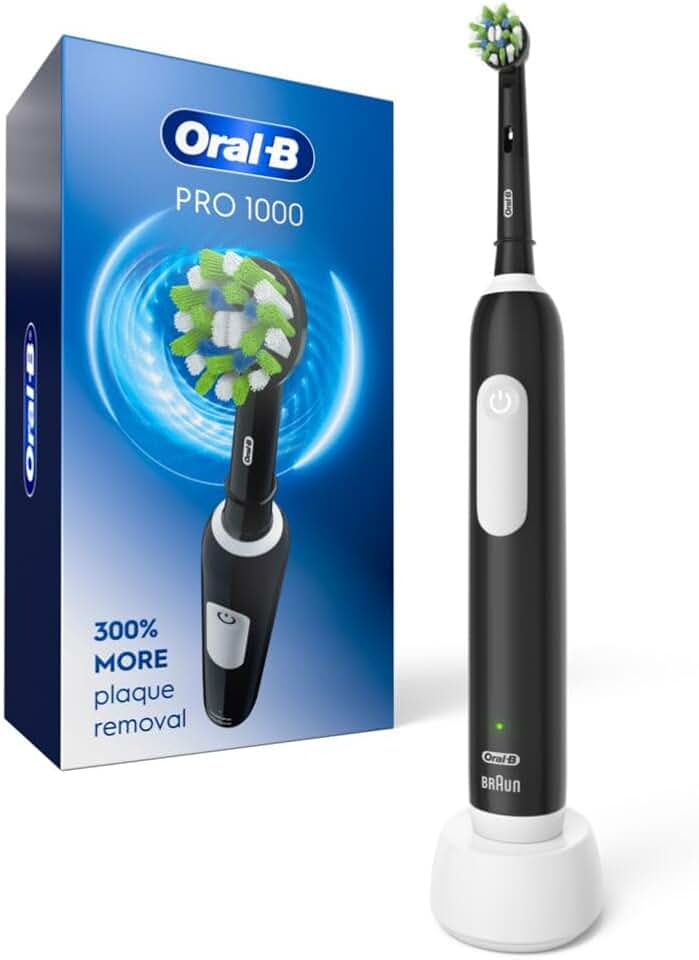


As an Amazon Associate, we may earn from qualifying purchases.
These items form a complete routine. Start with the electric toothbrush for two minutes, twice a day. Follow with the water flosser to clear debris from the gumline. Finish with a fluoride toothpaste to strengthen enamel. This simple sequence takes less than five minutes but protects your investment in professional care.
Booking Your First Appointment
Scheduling your initial visit is the final step in finding a local dentist. Platforms like Zocdoc streamline this process by showing real-time availability and verified patient reviews, allowing you to book directly online without playing phone tag [src-serp-4]. For practices that prefer direct communication, many clinics like My Dentist offer straightforward online booking portals or simple phone lines to secure your slot [src-serp-3].
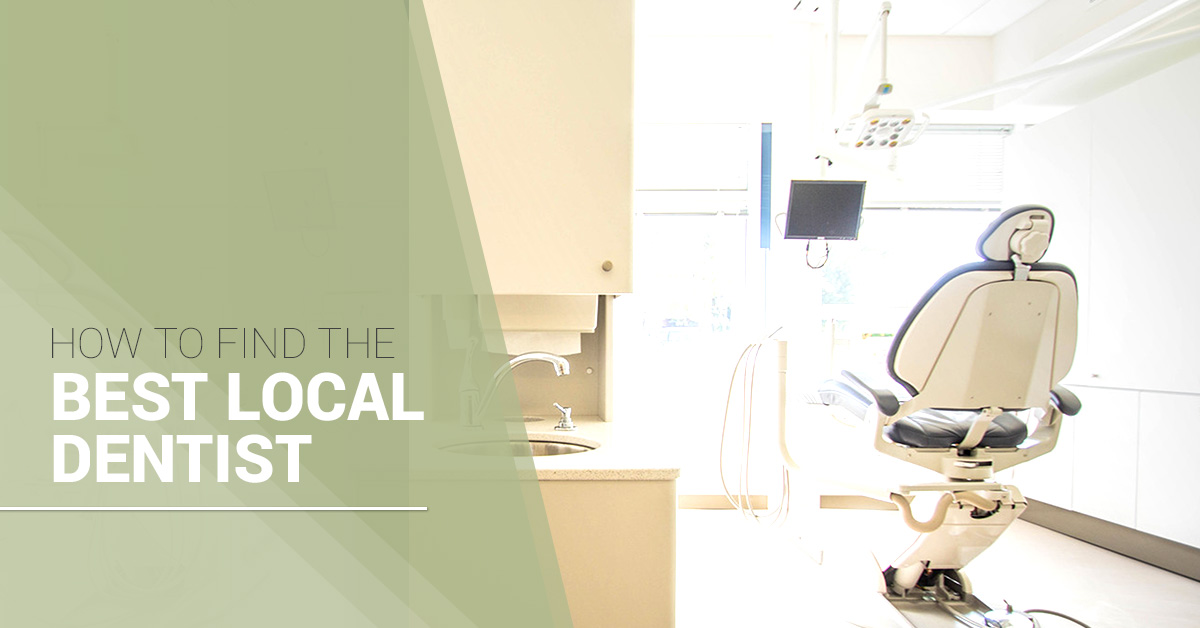
Most modern booking systems display available windows instantly. Look for times that fit your schedule, keeping in mind that the first appointment often includes a comprehensive exam and X-rays, which may take longer than a routine cleaning.
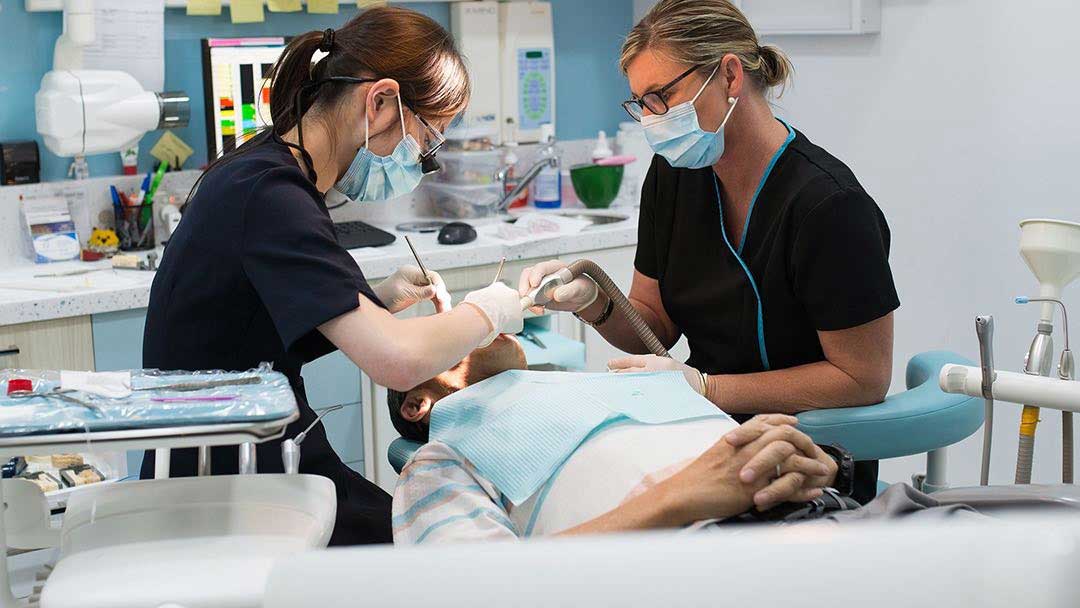
Before confirming, have your insurance card details and a list of current medications ready. This helps the front desk verify coverage and ensures your dentist is aware of any health factors that might affect your treatment plan.
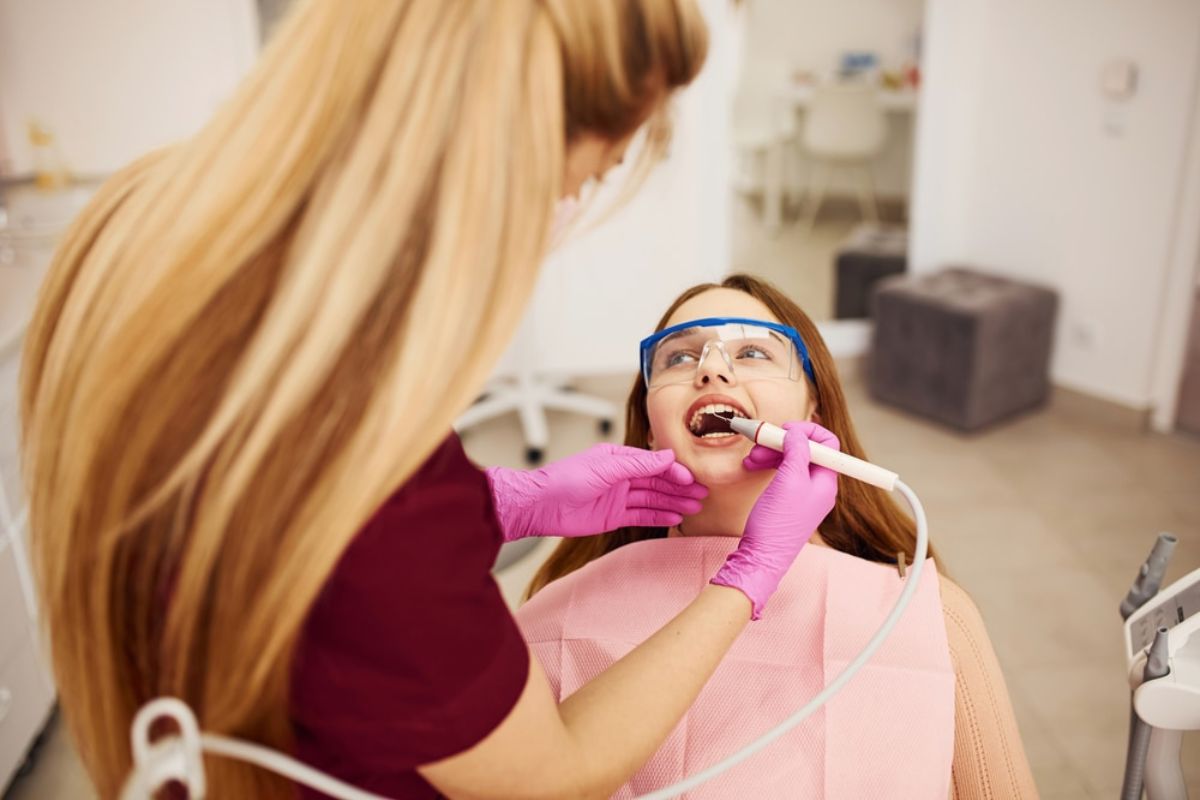
Use the initial consultation to assess comfort. Ask how the dentist explains procedures, whether they offer sedation options for anxiety, and what their policy is for emergency care. This is your chance to ensure their communication style matches your needs.
Once booked, you will likely receive a confirmation email or text. Keep this handy and arrive ten minutes early to fill out any new patient forms. This first visit sets the foundation for your long-term oral health, so take the time to ask questions and make your preferences known.
Common Questions About Local Dentists
Finding a dentist you trust involves more than just a good location. You need to know what to expect during your first visit and how payments will work before you sit in the chair.
What should I bring to my first appointment?
Bring a valid photo ID, your insurance card, and a list of current medications. If you have recent dental X-rays from a previous provider, bring those too. This helps the new dentist understand your history and avoid redundant tests.
How do I know if a dentist accepts my insurance?
Check the provider’s website or call their front desk directly. Most practices list accepted plans under "Payment Options" or "Insurance." If you are unsure about coverage limits, ask your insurance company for a verification of benefits before your visit.
What happens during the first visit?
Your first appointment usually includes a comprehensive exam, cleaning, and digital X-rays. The dentist will check for cavities, gum health, and oral cancer. Expect a consultation where they discuss your oral hygiene routine and any specific concerns you have.
No comments yet. Be the first to share your thoughts!