

The state of virtual dental visits in 2026
Teledentistry is no longer a niche experiment. While the technology has existed for twenty years, it is now a standard part of many local practices. It is a practical choice if you live far from a clinic or have a schedule that doesn't allow for a midday commute across town.
A video call won't replace a physical cleaning or a filling. It is, however, a fast way to get a professional opinion on a toothache or a swollen gum without leaving your house. Insurance coverage is still inconsistent between states, so you'll need to check your specific plan before booking.
In 2026, I expect teledentistry to be a fully integrated part of many dental practices. It won’t be the primary way most people receive care, but it will be a standard option for certain services. Practices will need to balance providing these virtual options with the need for in-person examinations and procedures, and it's likely we will see more standardization in licensing and reimbursement.
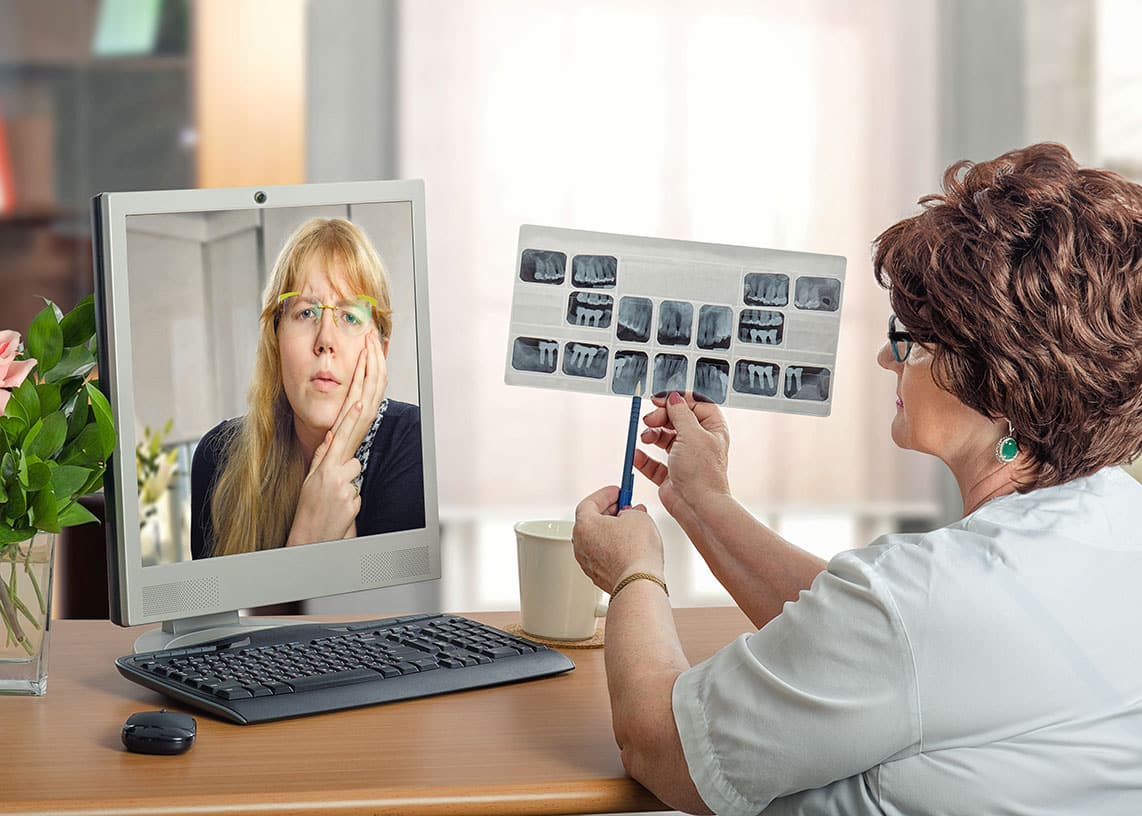
What a virtual appointment covers
A virtual dental consultation can handle a surprising amount. Initial assessments are a common use case. A dentist can review your medical history, discuss your dental concerns, and get a general sense of your oral health through a live video feed. This is especially helpful for new patients deciding if a practice is a good fit.
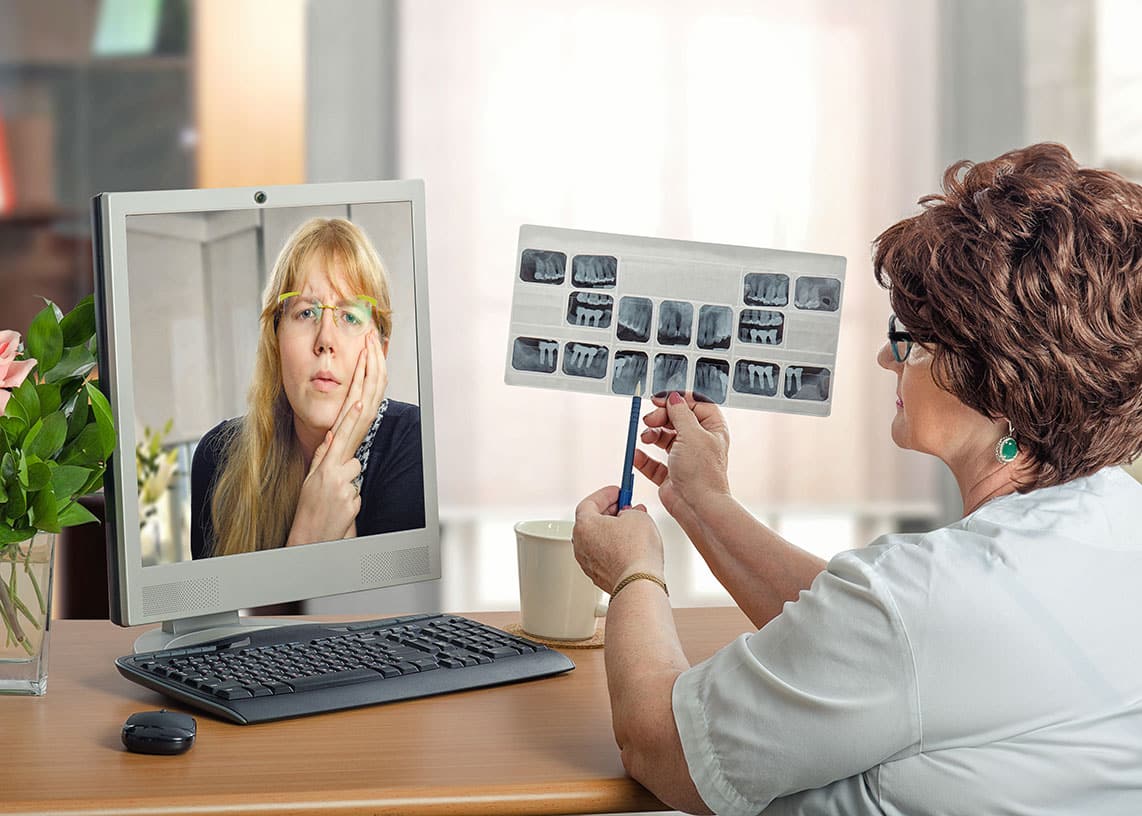
Post-operative check-ins are another valuable application. Dentists can assess healing after procedures like extractions or root canals, answer questions, and identify any potential complications before they become serious. They can also review X-rays taken at another facility, offering a second opinion or treatment guidance. A dentist can also discuss treatment plans – explaining options, costs, and expected outcomes – in a more relaxed and convenient setting.
Emergency triage is an increasingly popular use of teledentistry. If you’re experiencing pain or have a dental injury, a dentist can assess the situation remotely and advise you on whether to seek immediate in-person care, manage the problem at home, or schedule a follow-up appointment. It’s important to be clear about what teledentistry can’t do. You won't get a cleaning, filling, crown, or any other procedure requiring physical manipulation of your teeth during a virtual visit. Those still require an in-person appointment.
Licensing and state rules
Dental practice is heavily regulated, and that extends to teledentistry. According to the New York State Education Department, dentists must hold a valid license to practice in the state where the patient is located. This means a dentist licensed in California cannot legally provide teledentistry services to a patient in New York.
This creates complexities, especially for patients who travel or live near state lines. It also limits the pool of dentists available for virtual consultations. The rules surrounding interstate dental practice are evolving, but currently, there isn’t a national standard. The NYSED also warns of vishing scams, where individuals impersonate department employees to collect licensure information – a reminder to be vigilant about protecting your personal data.
While some organizations are working towards greater reciprocity and standardization of licensing requirements, the current landscape is fragmented. This means patients need to be diligent in verifying that their dentist is licensed in their state before engaging in a virtual consultation. It's a confusing area, and I think it will take time and effort to streamline the process.
Finding Local Dentists Offering Virtual Consults
Finding a dentist who offers telehealth appointments requires a bit of research. Online directories are a good starting point. Meet My Dentist, for example, allows you to search for dentists in your area and filter by services offered, including teledentistry. Delta Dental’s website also provides a network search tool that can help you find dentists who accept your insurance and offer virtual consultations.
Don't rely solely on directories. Check the websites of dentists in your area. Many practices now prominently advertise their teledentistry services on their websites. If you can’t find the information online, call the office directly and ask if they offer virtual appointments. When you find a potential dentist, verify their credentials and licensing information.
Always confirm the dentist is licensed to practice in your state. You can usually find this information on the state’s dental board website. Don’t hesitate to ask the dentist directly about their teledentistry platform and security measures. A reputable practice will be happy to answer your questions and address your concerns.
- Search directories like Meet My Dentist or Delta Dental’s network tool.
- Visit dentist websites: Look for information about teledentistry services.
- Call dental offices: Ask directly if they offer virtual appointments.
- Verify licensing: Confirm the dentist is licensed in your state.
Cost & Insurance Coverage in 2026
Expect to pay anywhere from $50 to $150 for a virtual consult if you're paying out of pocket. Some clinics, like DentalWorks on Memphis Park Avenue, offer specific pricing for remote triage. Always ask for the flat fee before you log on to the call.
Insurance coverage for teledentistry is evolving. As of now, many dental insurance plans cover teledentistry services, but the extent of coverage varies widely. Some plans cover virtual consultations at the same rate as in-person visits, while others have separate co-pays or deductibles. Some plans may require documentation from the dentist to justify the medical necessity of the virtual visit.
I anticipate that insurance coverage for teledentistry will continue to expand in the coming years. As more evidence emerges demonstrating the value of virtual care, insurers will likely be more willing to cover these services. However, it’s crucial to check with your insurance provider to understand your specific coverage benefits.
Preparing for Your First Virtual Appointment
Preparing for a virtual dental appointment is fairly straightforward. You’ll need a smartphone, tablet, or computer with a webcam and a stable internet connection. Ensure you have good lighting so the dentist can clearly see your mouth. A ring light can be helpful, but natural light is often sufficient.
Test your audio and video beforehand to ensure everything is working properly. Have your insurance information, a list of any medications you’re taking, and your recent dental records readily available. Be prepared to answer questions about your dental history and current concerns.
During the consultation, speak clearly and follow the dentist’s instructions. They may ask you to open your mouth, move your head, or take photos of specific areas. Remember, the goal is to provide the dentist with as much information as possible so they can make an accurate assessment. Don’t be afraid to ask questions – it’s your appointment, and you deserve to understand everything.
- A smartphone or computer with a working webcam.
- Internet: Stable internet connection.
- Lighting: Good lighting for clear visibility.
- Information: Insurance details, medication list, dental records.
Practices using teledentistry well
Dove Family Dentistry in Memphis, TN, is an example of a practice embracing teledentistry to improve patient access. They offer virtual consultations for a range of services, making it easier for patients to get the care they need. Their commitment to patient convenience and technology integration is commendable.
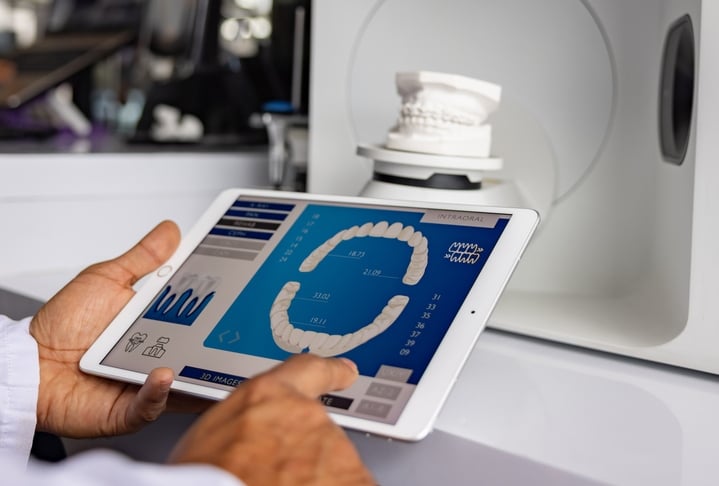
Other practices are experimenting with AI-powered diagnostic tools that can assist dentists during virtual consultations. These tools can analyze images and X-rays to identify potential problems, helping dentists make more informed decisions. While still in its early stages, this technology has the potential to revolutionize teledentistry.
Ultimately, the success of teledentistry depends on dentists’ willingness to adopt new technologies and embrace innovative approaches to care. Practices that prioritize patient convenience, data security, and quality of care are best positioned to thrive in this evolving landscape.

No comments yet. Be the first to share your thoughts!