

When Dental Pain Can’t Wait
It’s 2 AM, and a sharp, throbbing pain shoots through your tooth. Sleep is impossible, and over-the-counter pain relievers barely touch the discomfort. This isn’t just a minor annoyance; it might be a dental emergency. Dental problems can escalate quickly, turning a manageable issue into something far more serious.
What constitutes a dental emergency? A true emergency requires immediate attention to alleviate severe pain, stop bleeding, or save a tooth. Research from NCBI indicates most dental emergencies fall into three categories: traumatic injuries, infectious issues, and complications from previous dental procedures.
Trying to tough it out, hoping the pain will subside, can lead to more extensive and expensive problems. Recognizing the difference between a bothersome issue and a genuine emergency protects your oral health. Seek guidance if you’re unsure; it’s better to be safe than sorry.
Persistent, severe pain, significant trauma, or signs of infection demand prompt attention. Ignoring these warning signs has serious consequences.
Common Emergencies & Initial First Aid
Severe toothache, often signaling a deep cavity or infection, commonly requires after-hours dental care. A chipped or broken tooth, while sometimes not immediately painful, can quickly become sensitive and prone to further damage. Loss of a filling or crown exposes the underlying tooth structure, leading to discomfort and potential sensitivity.
Abscesses, localized infections marked by pain, swelling, and sometimes fever, are serious and require immediate treatment to prevent the infection from spreading. A knocked-out tooth is a critical emergency, demanding immediate action to maximize the chances of successful replantation.
Before seeing a dentist, rinse your mouth with warm salt water and try flossing to remove any trapped food particles for a severe toothache. A cold compress applied to the cheek can help reduce swelling. For a chipped tooth, save any fragments and rinse your mouth with warm water. If a filling or crown comes loose, keep it clean and store it in a safe place.
If a tooth is knocked out, speed is critical. Gently rinse the tooth (avoiding damage to the root) and try to place it back in its socket. If that’s not possible, store it in milk or saline solution. Do not store it in water. Even with initial first aid, seek professional dental care as soon as possible. Call My Dentist La Puente at (626) 345-6117 for guidance.
Finding 24/7 Dental Care: Options Explained
Locating after-hours dental care can feel daunting, but options are available. Hospital emergency rooms are often the first place people think of, but they’re equipped to address immediate, life-threatening issues, not specialized dental problems. ER visits for dental emergencies can be expensive and may only provide temporary relief.
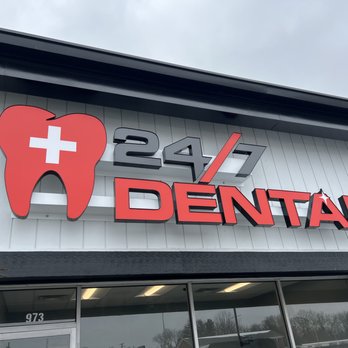
Dedicated emergency dental clinics offer focused care, but finding one open 24/7 can be challenging. Some general dentists offer on-call services for existing patients, providing a familiar and reliable option. Urgent care centers are another possibility, but their ability to handle dental emergencies varies significantly; many offer limited services.
Understand the limitations of each option. An ER might stabilize immediate pain but won’t perform a root canal. A 24/7 clinic might be costly. Setting realistic expectations is key. Be prepared to call around and inquire about services, hours, and insurance acceptance.
Do not assume every urgent care center can handle a dental emergency. Confirm their capabilities before heading over to avoid wasting valuable time.
The Speed Factor: Saving Your Tooth
Time is often of the essence in dental emergencies, especially for situations like a knocked-out tooth or a severe infection. The longer you wait to seek treatment, the lower the chances of a positive outcome. A knocked-out tooth has the best chance of being successfully replanted if treated within the first hour.
An untreated infection can spread to other parts of your body, leading to serious health complications. Prompt treatment protects your overall well-being. My Dentist Upland emphasizes that getting to an emergency dentist the same day can make the difference between saving or losing a tooth.
Do not fall into the trap of thinking, "I’ll wait and see if it gets better." Dental emergencies rarely resolve on their own. Procrastinating turns a simple problem into a complex and costly one. Act quickly and seek professional help.
Cost of After-Hours Dental Care
Emergency dental care is generally more expensive than routine checkups and cleanings. This is due to the urgent nature of the visit, the need for specialized equipment and materials, and the fact that these services are often provided outside of regular business hours.
The cost will vary depending on the type of emergency, the clinic's location, and the time of day or night. A simple repair, like a temporary filling, might range from $100 to $300. More complex procedures, such as a root canal or extraction, can exceed $500 or $1000.
Your dental insurance coverage will affect your out-of-pocket expenses. Some plans cover emergency care at a similar rate to routine care, while others have separate deductibles and co-pays. Check with your insurance provider to understand your benefits.
undefined costs involved will help you make informed decisions and avoid any unexpected financial surprises.
What to Expect During an Emergency Visit
Walking into an emergency dental clinic can be stressful, but knowing what to expect can help ease your anxiety. The dentist will begin with a thorough assessment of your condition, asking about your symptoms and medical history. They will then perform a clinical examination and likely take X-rays to get a clear picture of the problem.
Treatment will vary depending on the nature of the emergency. It could involve a simple repair, such as a filling or crown, or a more complex procedure, like a root canal or extraction. The dentist will prioritize pain management throughout the process, using local anesthesia to numb the affected area.
Following the initial treatment, the dentist will provide you with aftercare instructions and schedule a follow-up appointment if necessary. It’s important to follow these instructions carefully to ensure proper healing and prevent complications. Don't hesitate to ask questions if anything is unclear.
The goal of an emergency dental visit is to alleviate your pain, address the immediate problem, and develop a long-term plan to restore your oral health.
Finding Reputable Emergency Dentists
Choosing a trustworthy emergency dentist is crucial. Start by checking online reviews on platforms like Yelp. The MY DENTIST location in Westminster, CA (51 Photos, +17148943151) has a presence on Yelp, offering a starting point for research. Pay attention to both positive and negative feedback, looking for patterns and common themes.
Verify the dentist’s credentials and ensure they are licensed to practice in your state. Ask about their experience with emergency cases and whether they have specific training in handling traumatic injuries or infections. A seasoned emergency dentist will be better equipped to handle complex situations.
Consider the clinic’s equipment and technology. A well-equipped clinic will have the necessary tools to diagnose and treat a wide range of dental emergencies. Finally, ensure the clinic is clean and adheres to strict hygiene standards.
Here’s a checklist of questions to ask when calling: Are you open 24/7? Do you accept my insurance? What are your fees for common emergency procedures? What is your experience with [specific emergency]? Do you offer financing options?
Preventing Future Dental Emergencies
While emergencies can’t always be avoided, many can be prevented with proactive care. Regular dental checkups are paramount. Your dentist can identify and address potential problems before they escalate into emergencies. Good oral hygiene – brushing twice a day and flossing daily – is essential for maintaining healthy teeth and gums.
If you participate in sports, wear a mouthguard to protect your teeth from injury. Avoid habits that can damage your teeth, such as chewing ice, biting your nails, or using your teeth as tools. These seemingly harmless actions can lead to cracks, chips, and other dental problems.
By prioritizing preventative care, you can significantly reduce your risk of experiencing a dental emergency and safeguard your smile for years to come. A little bit of effort today can save you a lot of pain and expense in the future.
No comments yet. Be the first to share your thoughts!