

Why your dentist choice matters
Choosing a local provider is not merely a scheduling decision; it is a long-term investment in your systemic health. The mouth is a gateway to the body, and the bacteria associated with periodontal disease have been linked to cardiovascular issues and diabetes complications. When you select a dentist, you are selecting a partner who monitors these connections over decades, not just during acute pain episodes.
The process of meeting your dentist requires evaluating clinical competence alongside bedside manner. A skilled practitioner identifies early signs of oral cancer, monitors bite alignment, and coordinates with medical doctors when necessary. This continuity of care ensures that a simple cleaning evolves into preventive care that protects your heart and overall well-being.
Reliability determines the quality of this care. You need a provider who offers transparent communication, consistent hygiene standards, and emergency availability. Finding the right fit means prioritizing a dentist who treats you as a whole patient, ensuring that your oral health strategy supports your broader health goals.
Using Meet My Dentist tools
Finding the right provider requires more than a name; it requires a verified match for your specific clinical needs. The Meet My Dentist platform functions as a centralized directory that aggregates local practices, allowing you to filter providers by specialty, insurance acceptance, and location. This approach reduces the friction of manual searches and ensures you are evaluating only those practices currently accepting new patients in your area.
When you engage with these tools, you are essentially conducting a preliminary audit of local care options. The interface typically allows you to narrow results by procedure type—such as pediatric care, orthodontics, or general dentistry. This specificity is critical for high-stakes decisions, as it filters out generalists who may not have the requisite training for complex cases. By focusing on niche specialties within the directory ecosystem, you align your search with the exact expertise required for your health outcome.
Once you have identified a shortlist of providers through these tools, the next step is validation. Cross-reference the practice’s credentials with state dental boards or the American Dental Association (ADA) to ensure they are in good standing. This verification step transforms a simple directory search into a robust due diligence process, minimizing risk and ensuring that your choice of local care is both convenient and clinically sound.
Verify credentials and safety standards
When you search to Meet My Dentist, the first step is confirming they are legally authorized to practice in your state. Dentists must hold an active license issued by their state dental board. You can verify this status through the American Dental Association (ADA) website or your state’s specific regulatory board. This check confirms the dentist has met the baseline educational and examination requirements.
Beyond the license, check for board certification. While not required for all general practitioners, board certification indicates a dentist has undergone additional rigorous testing in a specific specialty, such as orthodontics or oral surgery. For general care, look for ongoing continuing education credits, which show the dentist stays current with evolving techniques and materials.
Safety protocols are equally critical. Before booking, ask about their sterilization procedures. Reputable offices follow guidelines from the Centers for Disease Control and Prevention (CDC) for infection control. They should use autoclaves to sterilize instruments and dispose of sharps in designated biohazard containers. During your visit, observe if staff wear appropriate personal protective equipment, including masks and gloves.
Finally, ensure the practice has a clear emergency protocol. Ask if they have emergency supplies on hand, such as oxygen and epinephrine, and if the staff is trained in CPR and Advanced Cardiac Life Support (ACLS). This preparation is essential for handling rare but serious adverse reactions to anesthesia or other medical emergencies during treatment.
Emergency and pediatric specifics
Finding a Meet My Dentist provider requires verifying capabilities beyond routine checkups. General practitioners often lack the specialized training or equipment needed for urgent trauma or complex pediatric behavioral management. When emergencies arise, such as a knocked-out tooth or severe infection, immediate access to appropriate care is critical.
Pediatric care presents unique challenges. Children require providers skilled in behavior guidance, from tell-show-do techniques to sedation options if necessary. A family dentist may handle basic cleanings, but complex developmental issues or severe anxiety often necessitate a pediatric specialist. Confirming these specific competencies ensures your family receives safe, effective care during vulnerable moments.
The table below compares the scope of practice for general family dentists versus specialized providers. This distinction helps you evaluate whether a single practice can meet all your household's needs or if you need a network of specialists.
| Service | General Family Dentist | Pediatric Specialist | Emergency/Trauma Clinic |
|---|---|---|---|
| Routine Cleanings | Yes | Yes | No |
| Fillings & Crowns | Yes | Limited | No |
| Behavioral Guidance | Basic | Advanced | N/A |
| Tooth Replantation | Rarely | Rarely | Yes |
| Sedation Dentistry | Nitrous Only | General/IV | Limited |
| Developmental Care | Referral | Yes | No |
When selecting your primary dentist, prioritize those who explicitly list emergency protocols and pediatric behavioral strategies. This due diligence prevents delays during crises and ensures your children develop positive, long-term dental habits.
Essential dental care products
Your daily routine is the foundation of oral health, working in tandem with professional checkups. Choosing the right tools ensures you can effectively manage plaque and maintain gum health between visits to your dentist. The American Dental Association (ADA) accepts many over-the-counter products, including toothbrushes, toothpastes, and floss, after verifying they meet safety and efficacy standards.
Selecting the right toothbrush depends on your specific needs. Electric brushes often remove more plaque than manual ones, but a soft-bristled manual brush works well if used with proper technique. Look for the ADA Seal of Acceptance on the packaging to ensure the product has undergone rigorous testing. Pair your brush with a fluoride toothpaste to strengthen enamel and prevent decay.
Flossing and interdental cleaning are critical for removing debris from areas your toothbrush cannot reach. Traditional floss is effective for tight contacts, while interdental brushes may be better for wider spaces or around braces. Mouth rinses can offer additional benefits, such as reducing gingivitis or providing extra fluoride, but they should complement, not replace, mechanical cleaning.


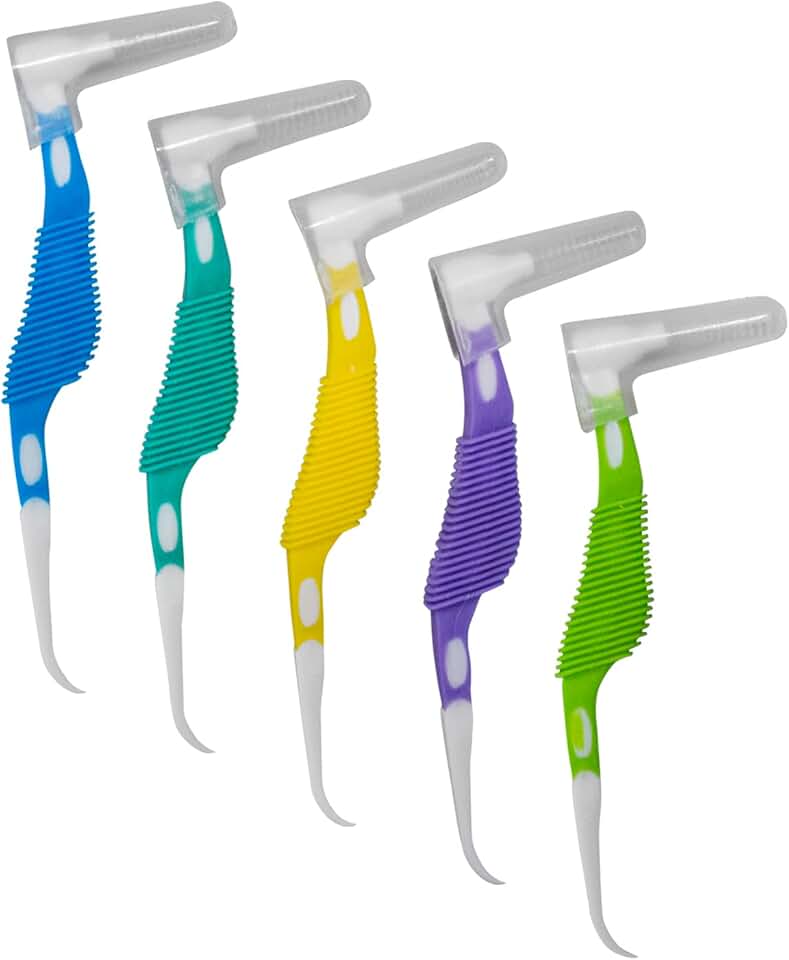
As an Amazon Associate, we may earn from qualifying purchases.
Common questions about dental care
Finding a reliable Meet My Dentist provider often raises specific health concerns beyond routine cleanings. Understanding how oral health intersects with systemic conditions helps patients make informed choices about their local care.
Which culture has the healthiest teeth?
Denmark consistently ranks as having the best oral health globally, boasting an impressive DMFT (Decayed, Missing, Filled Teeth) score of just 0.4. This statistic highlights the impact of preventive care infrastructure and public health policies rather than genetic superiority.
Can dentists help with sleep apnea?
Yes, general dentists can manage sleep apnea through oral appliance therapy. These custom-fitted devices reposition the jaw to keep airways open during sleep, offering a non-invasive alternative to CPAP machines for many patients.
Can teeth cleaning lower blood pressure?
Research indicates a link between periodontal health and cardiovascular metrics. A study found that patients receiving deep cleaning treatment for periodontitis experienced a reduction in systolic blood pressure by nearly 13 points and diastolic pressure by nearly 10 points six months after treatment.
No comments yet. Be the first to share your thoughts!