

When Dental Pain Becomes an Emergency
It's easy to worry when you have a toothache, but not every ache requires a frantic trip to the emergency room. A true dental emergency is any situation that threatens your oral health and potentially your overall health, needing immediate treatment to stop bleeding, alleviate severe pain, or prevent infection. Losing a filling or crown, while inconvenient, isn’t usually an emergency, but a severe abscess—an infection at the root of a tooth—absolutely is.
Think about it this way: can you manage the pain with over-the-counter medication and a temporary solution? If so, schedule an appointment with your local dentist as soon as possible. But if you're experiencing uncontrolled bleeding, swelling that makes it hard to breathe or swallow, or trauma following an accident, you need immediate attention. Don’t hesitate to seek help; delaying care can make things far worse.
The financial side is important too. Emergency dental care is generally more expensive than routine checkups. Exam fees can be higher after hours, and treatments to address the immediate problem—like a root canal for an infected tooth—will add to the cost. Knowing if your situation truly warrants an emergency visit can save you money and stress. Meet My Dentist can help you quickly locate services near you.
Ultimately, trusting your instincts is key. If something feels seriously wrong, it’s better to be safe than sorry. If you're unsure, call your dentist’s office; many offer advice lines or have an on-call dentist available.
Finding 24/7 Emergency Dental Services
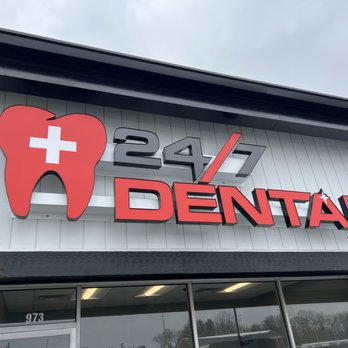
When a dental emergency strikes outside of regular business hours, knowing where to turn is crucial. Your first thought might be the hospital emergency room, but they’re often equipped to handle life-threatening emergencies and may not have a dentist on staff. While they can address severe pain or infection, they typically won't perform specialized dental treatments.
Urgent care centers are another option, with some offering limited dental services like extractions or pain relief. However, availability varies greatly. Dedicated 24/7 emergency dental clinics are the best bet for comprehensive care. These clinics are specifically designed to handle dental emergencies, staffed by dentists trained to address a wide range of issues. You can find a comprehensive list of emergency dental services near you using Meet My Dentist’s online directory.
Always call ahead before heading to any facility. Verify they offer the specific services you need and inquire about their hours and payment options. Mobile dental emergency services are less common, and I'm not sure about their widespread availability, but they can be a convenient option in some areas.
Cost of After-Hours Dental Care
Let’s be upfront: emergency dental care isn’t cheap. Expect to pay more for after-hours visits compared to regular appointments. Costs vary depending on the nature of the emergency, the required treatment, and your location. A simple exam and X-ray can range from $150 to $300, while more complex procedures like root canals or extractions can cost several hundred dollars or more.
Insurance coverage can help offset these costs, but it’s not always guaranteed. Many dental insurance plans have limitations on emergency care, especially if it's outside of your network. Review your policy details carefully to understand your coverage. If you don't have insurance, explore options like dental savings plans or financing plans offered by the dental clinic.
In Key West, FL, based on information from local providers, an emergency exam with X-rays might start around $200. However, this is a rough estimate, and the final cost will depend on the specific treatment needed. It’s always best to get a clear cost estimate from the dentist before proceeding with any treatment.
Common Dental Emergencies & First Aid
Dental emergencies come in many forms. A lost filling or crown, while annoying, often doesn’t require immediate attention, but can be sharp. Rinse your mouth with warm salt water and try to temporarily secure the crown with over-the-counter dental cement. Broken braces are another common issue. If a wire is poking, use a clean pair of nail clippers to carefully trim the wire, and cover the end with dental wax.
A severe toothache could signal an infection. Take over-the-counter pain relievers and apply a cold compress to your cheek. An abscess – a pocket of pus – is a serious infection. The American Dental Association (ADA) emphasizes the importance of seeking immediate dental care for abscesses to prevent the infection from spreading. Do not attempt to drain the abscess yourself.
If a tooth is knocked out, time is of the essence. Gently rinse the tooth with water (don't scrub), and try to re-implant it in the socket. If that’s not possible, store it in milk or saline solution and get to a dentist immediately. Soft tissue injuries, like cuts to the gums or tongue, should be rinsed thoroughly with water, and pressure applied to stop the bleeding.
The ADA also provides guidance on medical emergencies that can occur in a dental office, such as allergic reactions or cardiac arrest. It’s a reminder that dental health is closely linked to overall health, and prompt attention is always best. Remember, these are first aid measures; professional dental care is still essential.
Preparing for an Emergency Visit
Knowing what to expect during an emergency dental visit can help ease anxiety. Bring your insurance information, a list of any medications you’re taking, and your medical history. Be prepared to answer questions about your symptoms, when they started, and any relevant medical conditions.
Don’t hesitate to ask the dentist questions about the diagnosis, treatment options, and costs. If you’re feeling anxious, let the dentist and staff know. They can offer reassurance and explain the procedure in detail. Discuss pain management options; local anesthesia is typically used for most procedures.
If you’re unable to drive yourself, arrange for someone to accompany you or consider taking a taxi or rideshare service. Having a support person can be incredibly helpful, especially if you’re feeling stressed or in pain.
Preventing Future Dental Emergencies
The best way to handle a dental emergency is to prevent it from happening in the first place. Regular dental checkups are essential for identifying and addressing potential problems before they escalate. Proper oral hygiene – brushing twice a day, flossing daily, and using an antimicrobial mouthwash – helps remove plaque and prevent cavities and gum disease.
Avoid chewing on hard foods like ice or hard candy, which can crack or chip your teeth. If you participate in sports, wear a mouthguard to protect your teeth from injury. Recognizing early warning signs, like increased tooth sensitivity or gum bleeding, can allow you to seek treatment before a minor issue becomes a major emergency.
Proactive care is almost always cheaper and less stressful than emergency treatment. Investing in preventative measures can save you both time and money in the long run. Think of it as an investment in your overall health and well-being.
Key West & Florida Keys Emergency Dental Resources
If you’re in the Key West or Florida Keys area and experiencing a dental emergency, several providers offer after-hours care. Southernmost Smiles (based on keywestdentist.com) advertises same-day appointments for emergencies. Keys Dental Specialists (keysdentalspecialists.com) also provides immediate emergency dental care.
It’s always wise to call ahead to confirm their availability and services. While these are two prominent options in the area, it's a good idea to cross-reference with Meet My Dentist to ensure you have the most up-to-date information and a comprehensive list of nearby providers.
For those outside the Keys, a quick search on Meet My Dentist will reveal emergency dental services in your area. Many dentists now offer after-hours care or have arrangements with local emergency clinics.
Key West & Florida Keys Emergency Dental Providers - Comparison (as of late 2023/early 2024)
| Provider | Services Offered | Insurance Acceptance | Patient Feedback (Summary) |
|---|---|---|---|
| Southernmost Smiles (Key West) | Same-day emergency appointments available. | Information not readily available; contact provider directly. | Generally positive feedback regarding speed of appointment scheduling. Specifics on treatment quality vary. |
| Keys Dental Specialists (Key West) | Immediate emergency dental care. | Information not readily available; contact provider directly. | Patients report quick relief and expert treatment. Details regarding specific procedures are limited in available reviews. |
| Marathon Dental Group (Marathon) | Emergency services available. Details on 24/7 availability not specified. | Information not readily available; contact provider directly. | Reviews indicate a friendly and professional staff, but specific emergency care experiences are not detailed. |
| Islamorada Family Dentistry (Islamorada) | Emergency dental services offered. Details on after-hours care not specified. | Information not readily available; contact provider directly. | Patients appreciate the personalized care. Emergency service specifics are not widely discussed in reviews. |
| Duck Key Dental (Duck Key) | Emergency dental services available. Details on 24/7 availability not specified. | Information not readily available; contact provider directly. | Limited online reviews. Patients generally express satisfaction with routine dental care. |
| Big Pine Key Dental (Big Pine Key) | Emergency dental services offered. Details on after-hours care not specified. | Information not readily available; contact provider directly. | Reviews mention a caring environment, but do not focus on emergency dental experiences. |
Illustrative comparison based on the article research brief. Verify current pricing, limits, and product details in the official docs before relying on it.
Navigating Insurance and Payment
Understanding your insurance coverage for emergency dental work can be tricky. Most dental insurance plans cover at least a portion of emergency treatments, but the extent of coverage varies. Typically, plans cover emergency exams, X-rays, and basic treatments like fillings. More complex procedures, like root canals, may have higher co-pays or limitations.
If you don’t have dental insurance, don’t despair. Some dentists offer in-house financing plans or accept credit cards. Dental savings plans can also provide discounts on dental services, but they typically require an annual membership fee. Be sure to discuss payment options with the dentist’s office before receiving treatment.
Don’t hesitate to ask for a written treatment plan that outlines the estimated costs and payment options. Transparency is key when it comes to managing the financial aspects of emergency dental care. Knowing your options will help you make informed decisions and avoid unexpected bills.
No comments yet. Be the first to share your thoughts!