

When Dental Pain Can't Wait
It’s 2 AM. A sharp, throbbing pain has woken you, and your tooth feels like it’s on fire. This isn’t the kind of discomfort you can simply "wait out’ until your regular dentist"s office opens. Knowing when dental pain escalates to a true emergency can be difficult, but it's important for your overall health and peace of mind.
A dental emergency isn’t always about intense pain, though that’s a common indicator. It’s about situations that pose an immediate threat to your oral health, or even your general well-being. Visible trauma, like a broken tooth, or signs of infection – swelling, fever, difficulty breathing – are red flags. Don’t underestimate the anxiety that accompanies these situations; finding prompt care can significantly reduce stress.
Distinguishing between an emergency and a non-emergency is the first step. A minor toothache that responds to over-the-counter pain relievers and doesn't interfere with daily life can likely wait for a routine appointment. But a constant, escalating pain, or one accompanied by other symptoms, requires immediate attention. Ignoring a developing issue can lead to more serious complications down the road.
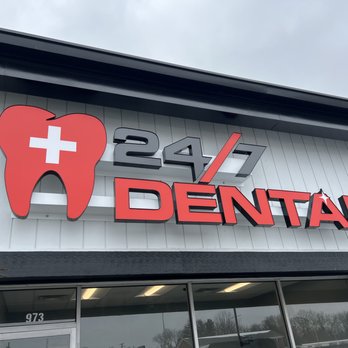
Common Emergencies Dentists Handle After Hours
Dentists see a wide range of urgent issues outside of normal business hours. Losing a filling or crown is a common one, as it leaves the underlying tooth vulnerable to damage and sensitivity. A broken brace wire can poke and irritate your mouth, potentially causing pain and even injury.
A chipped or cracked tooth, while not always immediately painful, can quickly worsen and become infected. Dental abscesses – collections of pus caused by bacterial infection – are particularly serious, and require immediate treatment to prevent the infection from spreading. Family Dental of Orland Park provides emergency dental care as one of their services, but it's important to know your options.
Perhaps the most dramatic emergency is a knocked-out tooth. Time is absolutely critical in these situations, as we’ll discuss later. Soft tissue injuries, such as cuts to your gums, tongue, or cheeks, can also require urgent care to stop bleeding and prevent infection. These injuries can happen from accidental trauma, or even from sharp dental work.
The risks associated with these emergencies range from significant pain and discomfort to potentially life-threatening infections. Prompt treatment isn't just about alleviating symptoms; it’s about protecting your overall health and preventing more extensive and expensive procedures in the future.
Finding 24/7 Dental Care: Options Available
When an emergency strikes after hours, you have several avenues to explore. Hospital emergency rooms are often the first place people think of, but they are generally equipped to handle life-threatening emergencies, and dental issues often fall outside that scope. Expect long wait times and potentially limited dental expertise.
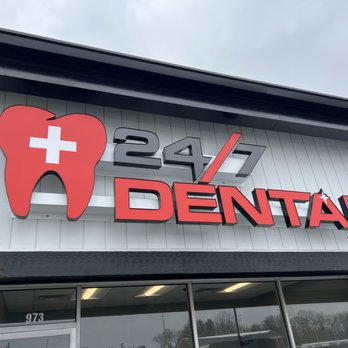
Dedicated 24/7 emergency dental clinics are becoming more common, offering specialized care specifically for urgent dental needs. These clinics are staffed by dentists trained to handle a range of emergencies, and can provide immediate relief. However, they can be less accessible depending on your location.
Some dentists offer on-call availability for their existing patients. This can be a good option if you have a long-standing relationship with a dentist you trust, but it’s not always guaranteed. Urgent care centers may offer limited dental services, such as pain management or basic extractions, but their capabilities vary widely.
Each option has drawbacks. Hospital ERs are expensive and rarely prioritize dental issues. 24/7 clinics can be costly. On-call dentists might be unavailable. Careful consideration of these factors, along with your specific needs, is key to making the best decision.
- Hospital Emergency Rooms: Best for life-threatening situations, but often slow and lacking specialized dental care.
- 24/7 Emergency Dental Clinics: Dedicated care, but may be limited in location.
- Dentist On-Call: Convenient for existing patients, but availability isn't guaranteed.
- Urgent Care Centers: Limited dental services, capabilities vary.
Comparing After-Hours Emergency Dental Care Options
| Option | Cost | Wait Time | Specialized Dental Care | Availability |
|---|---|---|---|---|
| Emergency Room (ER) | High | Medium to Long | No | 24/7 |
| 24/7 Dental Clinic | Medium to High | Short to Medium | Yes | 24/7 |
| On-Call Dentist | Medium | Medium | Yes | On-Call Only |
| Urgent Care Center (with Dental Services) | Medium | Medium | Limited | Limited Hours |
| General Dentist - Emergency Line | Varies | Dependent on Dentist Schedule | Yes | On-Call Only |
Illustrative comparison based on the article research brief. Verify current pricing, limits, and product details in the official docs before relying on it.
What to Expect During an Emergency Visit
Calling an emergency dental clinic or your dentist’s on-call service will usually begin with a triage process. The staff will ask about your symptoms and the nature of your emergency to determine the urgency of your situation. Be prepared to provide a detailed description of your pain and any relevant medical history.
At the clinic, you’ll likely be asked to complete paperwork providing your medical history, insurance information, and contact details. The dentist will perform a thorough examination to assess the problem, often including X-rays to get a clear picture of what’s happening beneath the surface.
The initial visit is typically focused on relieving your pain and stabilizing the situation. This might involve temporary fillings, pain medication, or antibiotics. More comprehensive treatment, such as a root canal or crown, will likely be scheduled for a follow-up appointment. Providing a complete and accurate medical history is essential for safe and effective treatment.
Cost of After-Hours Dental Care
Emergency dental care is almost always more expensive than routine dental visits. This is due to the after-hours nature of the care, the urgency of the situation, and the potential need for specialized equipment and materials. The final cost will depend on the nature of the emergency, the treatment required, your location, and the time of day.
A simple exam and X-ray can range from $150 to $300, while more complex procedures like root canals or extractions can easily cost several hundred dollars or more. Be sure to ask for a clear breakdown of the costs before any treatment is performed. Insurance coverage for emergency dental care varies widely depending on your plan.
Many dental offices offer payment plans or accept credit cards to help make care more affordable. Don't hesitate to discuss your financial concerns with the dental team. It’s important to be realistic; emergency dental care is an investment in your health, and delaying treatment can often lead to more costly and complicated problems later on.
Knocked-Out Tooth: A Critical Timeline
A knocked-out tooth is arguably the most time-sensitive dental emergency. Every minute counts when it comes to preserving the tooth and increasing the chances of successful re-implantation. Here’s what to do:
Step 1: Rinse your mouth with cool water to remove any debris. Step 2: Carefully retrieve the tooth, handling it by the crown (the chewing surface), not the root. Step 3: Gently rinse the tooth with cool water, but do not scrub it. Step 4: If possible, try to re-implant the tooth in its socket. Apply gentle pressure.
Step 5: If you can’t re-implant the tooth, store it in milk or saline solution. Do not store it in water. Step 6: Get to a dentist immediately – within one hour is ideal. The sooner you receive treatment, the higher the likelihood of saving the tooth. Time is of the essence.
Preventing Dental Emergencies: Proactive Steps
While emergencies can happen unexpectedly, there are several steps you can take to reduce your risk. Regular dental checkups are fundamental – your dentist can identify and address potential problems before they escalate. Maintaining good oral hygiene – brushing twice daily and flossing – is also crucial.
Wearing a mouthguard during sports or other activities with a risk of impact can protect your teeth from injury. Avoid habits that can damage your teeth, such as chewing ice, using your teeth as tools, or grinding your teeth. Taking a proactive approach to your dental health empowers you to minimize the chances of experiencing a painful and disruptive emergency.
Resources and Finding Local Care
For more information about dental health and emergency care, the American Dental Association (ADA) website () is a valuable resource. You can also find information and resources from your state’s dental association. MyOptima Dental in Tinley Park, IL, offers same-day emergency dental care, providing a readily available option for those in need.
Don't wait until an emergency strikes to find a dentist. Use Meet My Dentist to search for local emergency dental services and find a provider you can trust. Being prepared and knowing where to turn in a crisis can make all the difference.
- American Dental Association (ADA):
- Meet My Dentist: Use our search tool to find local emergency dental services.
- Q: What if
- A: Consider a hospital emergency room, but be aware of potential limitations and costs.
- Q: Can I wait until my regular dentist is available?
- A: Only if the pain is manageable and there are no signs of infection or trauma.
No comments yet. Be the first to share your thoughts!