

Start with your insurance network
Define the working state you want from Find a Dentist by confirming your specific insurance coverage. Most failed attempts to find a provider come from skipping the verification of active network status and then trying to diagnose billing issues later.
Keep the verification process simple for the first pass. Confirm the core device (your insurance card) is valid, verify the app or portal can see your plan details, and test the main function—searching for in-network providers—before adding optional filters. A clean baseline gives you something to return to if a later step breaks.
Use professional directories for verification
Before committing to a provider, verify their credentials through authoritative bodies like the American Dental Association (ADA). The ADA’s Find-a-Dentist tool is the most reliable starting point for confirming that a practitioner holds active membership and adheres to current ethical standards. This directory allows you to search by ZIP code, filtering out non-members and ensuring you are looking at dentists who have agreed to the association’s code of ethics.
While the ADA directory confirms membership, it is not the only resource. State dental boards maintain public records of licensure, disciplinary actions, and continuing education credits. Checking these databases provides a layer of transparency that private practice websites often omit. You can verify that a dentist’s license is current and see if there are any formal complaints on record. This step is particularly important for specialized care, such as pediatric or emergency dentistry, where specific board certifications matter.
Using these directories is not about finding the cheapest option, but about finding a qualified one. It acts as a filter for quality, saving you from potential complications down the road. Once you have a shortlist of verified dentists from these official sources, you can then proceed to evaluate their specific services, office hours, and patient reviews. This two-step process—verification first, evaluation second—ensures your final choice is both safe and suitable for your family’s needs.
Compare booking platforms and reviews
When you need to find a dentist quickly, third-party booking platforms act as a central hub for availability and patient feedback. Instead of calling multiple offices or sifting through disjointed insurance directories, these tools aggregate real-time data. This allows you to filter by critical factors like insurance acceptance, language preferences, and open appointment slots in one place.
For example, Zocdoc lists over 100 dentists in Houston alone, letting users filter by insurance, language, or appointment time to find their best match. This level of granularity helps narrow down candidates without the back-and-forth of phone tag. You can see who is available today, this week, or next month, and read verified patient reviews to gauge bedside manner before you book.
To help you decide which platform fits your needs, here is a side-by-side comparison of three common ways to find a dentist: the American Dental Association (ADA) Directory, Zocdoc, and your insurance provider's portal.
| Platform | Real-Time Availability | Patient Reviews | Insurance Filter |
|---|---|---|---|
| ADA Directory | No | Limited | Yes |
| Zocdoc | Yes | Yes (Verified) | Yes |
| Insurance Portal | No | No | Yes |
Check emergency and pediatric capabilities
Finding a dentist who can handle unexpected pain or a child’s first visit requires looking beyond general hygiene skills. You need a practice with specific protocols for urgent care and a team experienced in managing young patients. This section helps you verify those capabilities before you book.
Emergency readiness
A true emergency dentist offers same-day slots for acute issues like severe toothaches, knocked-out teeth, or broken restorations. Look for clinics that explicitly advertise "same-day appointments" or "emergency dental care" on their homepage. During your initial call, ask if they reserve specific time blocks for urgent cases or if you must wait for the next available opening.
Reliable practices also provide clear after-hours instructions. If your injury happens on a weekend, you should know exactly who to call and where to go for immediate care. Avoid clinics that only accept new patients during standard business hours without an emergency backup plan.
Pediatric environment
Children thrive in spaces designed for them, not just scaled-down adult offices. Look for a waiting area with books, toys, and child-sized furniture. The dental team should have experience using "tell-show-do" techniques, where they explain each step before touching the child. This builds trust and reduces anxiety for first-time patients.
Ask if the dentist has pediatric training or if they refer complex cases to specialists. A general dentist who is comfortable handling basic cavities and cleanings for kids is often sufficient, but you want to ensure they have a positive track record with young patients.
Essential dental care kit essentials
Building a home dental care kit starts with tools that actually remove plaque and protect enamel. You do not need a full clinic’s worth of equipment; you need reliable basics that fit your routine. The goal is to keep your teeth clean between professional visits, especially if you have braces, implants, or sensitive gums.
Below are the core tools worth adding to your bathroom cabinet. These products focus on effectiveness and ease of use rather than gimmicks.
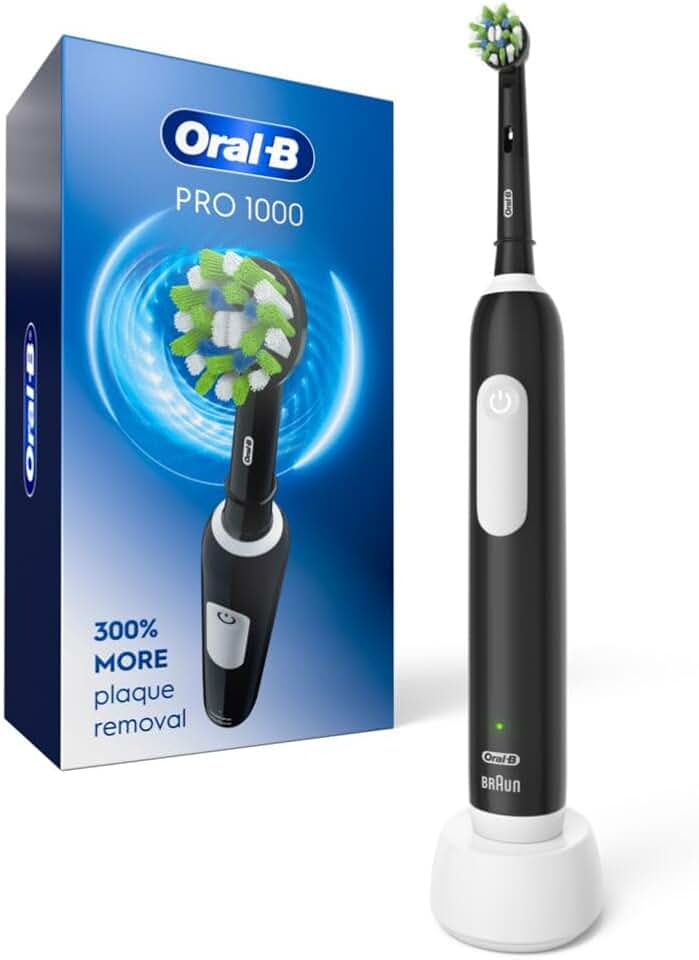


As an Amazon Associate, we may earn from qualifying purchases.
An electric toothbrush with a pressure sensor is the single most important upgrade for most households. It prevents you from scrubbing too hard, which wears down enamel and irritates gums. Pair it with a water flosser if you have tight spaces between teeth or orthodontic appliances. These devices flush out debris that traditional floss might miss.
For daily maintenance, choose a toothpaste with fluoride to strengthen enamel and a soft-bristled brush to avoid abrasion. If you want a brighter smile, whitening strips can help, but use them sparingly to prevent sensitivity. Keep your kit simple: brush twice a day, floss once, and replace your brush head every three months.
Questions to ask before booking
Before you commit to a dental practice, verify that their services match your specific needs. For emergency care, ask if the office handles urgent situations like severe pain or knocked-out teeth on the same day. For pediatric care, confirm the dentist’s experience with children of your child’s age and their approach to anxiety management.
Check logistical details that affect long-term convenience. Ask about insurance acceptance for your specific plan and whether they offer flexible scheduling for working parents or unpredictable emergencies. It is also wise to ask about their policy for missed appointments and their protocol for handling dental injuries.
Finally, clarify the scope of care. Some general dentists refer out for complex procedures like root canals or orthodontics. Knowing this upfront helps you understand who will actually be treating you and ensures you are comfortable with the referral network if specialized care becomes necessary.
Common questions about finding a dentist
When you are looking for a dentist, especially for emergency care or pediatric needs, specific logistical details matter more than general reviews. Here are the most frequent questions patients ask before booking an appointment.
No comments yet. Be the first to share your thoughts!