

Greening the Drill: Dental Sustainability Today
Dentistry, like all healthcare fields, has historically generated a significant environmental footprint. But that’s changing, and quickly. We’re seeing a real shift towards sustainable dental practices – a move driven by increased patient awareness, evolving regulations, and a growing understanding of the impact traditional dentistry has on our planet.
It's no longer sufficient to simply treat oral health; dentists are increasingly expected to do so responsibly. Patients are beginning to ask about a practice’s environmental policies, and frankly, they should be. This isn't about a fleeting trend, but a fundamental re-evaluation of how dental care is delivered.
The environmental impact of dentistry stems from several areas: waste generation (sharps, amalgam, plastics), high energy consumption (sterilization, lighting, compressed air), and substantial water usage. Ignoring these issues isn’t an option. For many practices, adopting sustainable methods isn’t just ethically sound, it’s becoming a business necessity to attract and retain patients.
The American Dental Association recognizes this shift, with discussions around sustainability gaining traction within the organization. As the demand for eco-friendly options grows, dentists who proactively embrace green dental care will be best positioned for long-term success. The UN 2030 agenda for sustainable development is also prompting a broader examination of environmental impact across all industries, including healthcare.
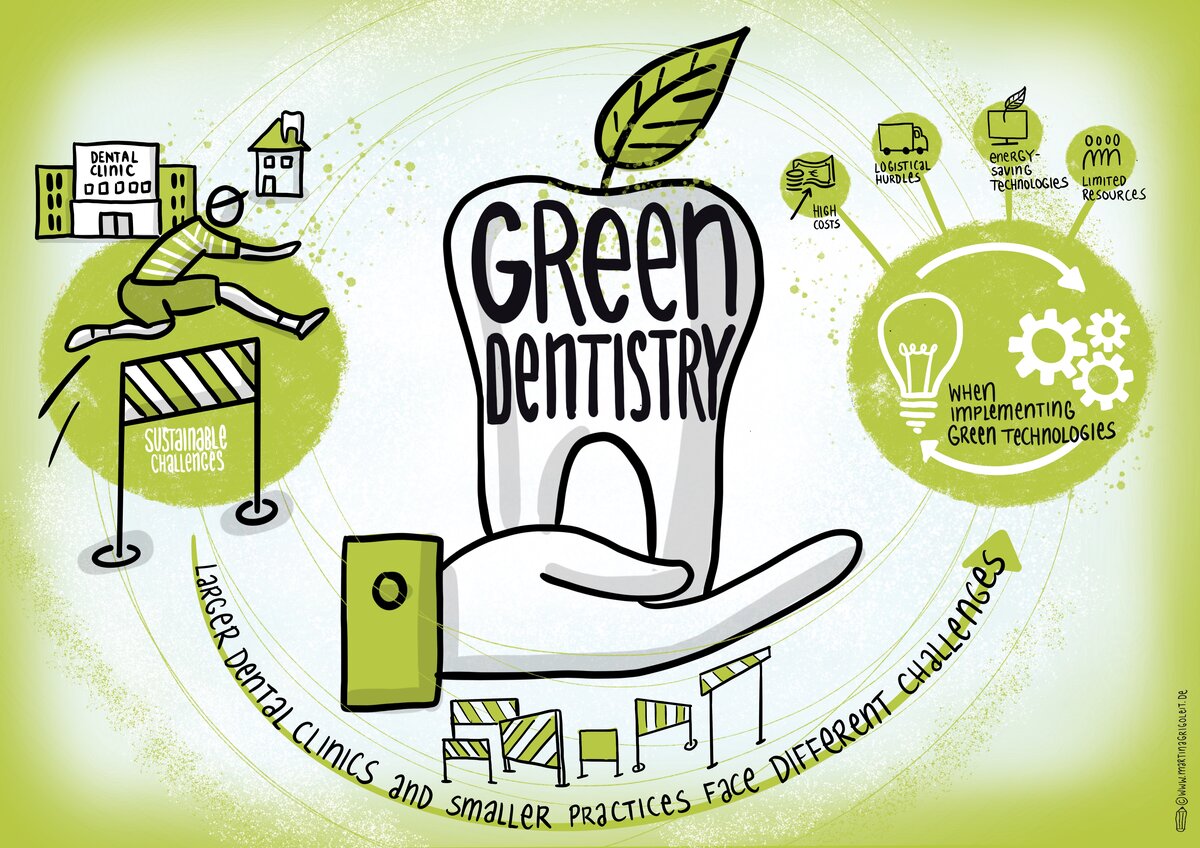
Waste Reduction: Beyond Recycling Bins
Dental practices generate a surprisingly diverse range of waste. Beyond the obvious sharps containers and paper products, consider the significant amount of amalgam, plastics (impression trays, suction tips), and contaminated materials produced daily. Proper waste management is a complex challenge, especially when balancing infection control with environmental responsibility.
Sterilizing and reprocessing instruments is preferable to disposable options from an environmental standpoint, but it's not always practical or cost-effective. The initial investment in sterilization equipment can be substantial, and the labor involved in reprocessing adds to overhead. However, the long-term environmental benefits often outweigh these costs.
Fortunately, innovative waste management strategies are emerging. Dental amalgam separators are now required in many municipalities to prevent mercury from entering wastewater systems. Digital radiography significantly reduces the need for chemical developers and fixers. Increasingly, dental practices are partnering with specialized recycling programs that can handle dental-specific waste streams, like expired medications and certain plastics.
The cost of transitioning to more sustainable waste disposal methods varies widely. Amalgam separators can range from $200 to $3,000 depending on the size and type. Digital radiography systems represent a larger upfront investment, but can lead to long-term savings on film and chemical costs. The key is to conduct a thorough waste audit to identify areas for improvement and prioritize the most impactful changes.
- Amalgam: Contains mercury, requiring careful disposal.
- Plastics: Impression trays, suction tips, and packaging contribute significantly to plastic waste.
- Sharps: Needles and other sharp instruments require specialized containers and disposal protocols.
- Paper: Charts, forms, and packaging generate a substantial paper waste stream.
Dental Waste Disposal Method Comparison
| Disposal Method | Cost | Environmental Impact | Regulatory Compliance | Ease of Implementation |
|---|---|---|---|---|
| Incineration | High | Significant air pollution potential | Generally strict, varies by location | Established infrastructure, but requires specialized equipment |
| Landfill | Low | Potential for soil and water contamination, long-term waste accumulation | Increasingly regulated, restrictions on certain materials | Widely available, simplest initial option |
| Chemical Treatment | Medium | Potential for hazardous byproducts, requires careful management | Moderate, depends on chemicals used and discharge permits | Requires trained personnel and controlled environment |
| Amalgam Separation | Medium | Reduces mercury release to the environment | Mandatory in many areas due to mercury regulations | Requires installation of separator systems, routine maintenance |
| Specialized Recycling | Medium to High | Best option for resource recovery, reduces landfill waste | Compliance with recycling standards, tracking requirements | Logistics can be complex, relies on availability of recycling facilities |
| Steam Sterilization & Autoclaving | Low to Medium | Minimizes infectious waste volume, reduces reliance on incineration | Standard practice, generally well-regulated | Relatively easy to implement with existing equipment |
Qualitative comparison based on the article research brief. Confirm current product details in the official docs before making implementation choices.
Water & Energy: The Hidden Footprint
Dental practices are surprisingly water and energy intensive. Water is used for sterilization, rinsing, and operating dental handpieces. Compressed air systems, essential for many procedures, also consume significant energy. Lighting, particularly in operatories, adds to the overall energy demand.
Water sterilization processes, while crucial for infection control, are a major water consumer. Traditional autoclaves use a lot of water. Newer technologies, like chemical monitoring and rapid steam sterilization, can reduce water usage. Investing in low-flow nozzles for handpieces and sinks can also make a difference.
Switching to energy-efficient lighting, such as LEDs, is a relatively simple and cost-effective way to reduce energy consumption. LEDs use significantly less energy than traditional incandescent or fluorescent lights and have a longer lifespan. Furthermore, optimizing compressed air systems—checking for leaks and using efficient compressors—can yield substantial energy savings.
Some practices are even exploring renewable energy sources, like solar panels. While the initial investment can be considerable, solar panels can significantly reduce a practice's carbon footprint and energy costs over the long term. Regularly monitoring water and energy consumption is also crucial for identifying areas for improvement. Simple changes in habits and equipment usage can have a cumulative impact.
- Install low-flow nozzles on sinks and handpieces.
- Upgrade to energy-efficient LED lighting.
- Optimize compressed air systems to minimize leaks.
- Consider renewable energy sources like solar panels.
- Regularly monitor water and energy consumption.
Material Choices: Bio-Based & Biodegradable
The materials used in dentistry—composites, impression materials, cements—have a considerable environmental impact, from their initial production to their eventual disposal. Traditional composite resins, for example, are derived from petroleum-based products. Impression materials often contain polyvinyl siloxane, a synthetic polymer.
The emergence of bio-based and biodegradable alternatives is encouraging, but these materials aren’t yet mainstream. Some companies are developing composite resins made from plant-based fillers, and biodegradable impression materials are becoming available. However, questions remain about their long-term durability, aesthetic properties, and overall effectiveness.
Cost is also a factor. Bio-based and biodegradable materials are often more expensive than their traditional counterparts. Availability can also be limited, particularly for practices in certain geographic locations. I'm not sure how widely these materials are being adopted yet, but adoption is growing.
The trade-offs are real. While bio-based materials may reduce reliance on fossil fuels, their production can still require significant energy and resources. A complete lifecycle assessment is needed to determine the true environmental impact of any material. It’s important to be honest about these complexities and avoid "greenwashing’—making unsubstantiated claims about a product"s environmental benefits.
Emerging Eco-Dental Materials
- Bioactive Glass - A silicate-based material that bonds chemically to tooth structure, releasing ions that promote remineralization and reduce sensitivity. It's used in fillings, root canal sealers, and periodontal applications. Benefits include reduced microleakage and potential for long-term tooth repair.
- Mineral Trioxide Aggregate (MTA) - A calcium silicate cement used primarily in endodontics for root-end fillings and pulp capping. MTA is biocompatible and forms a tight seal, reducing the risk of bacterial leakage. Its production is less energy intensive than some traditional materials.
- Polyalkenoate Cements (Glass Ionomer Cements) - These cements release fluoride, contributing to caries prevention. They bond to tooth structure without etching, reducing the need for harsh chemicals. Newer formulations offer improved strength and durability.
- Calcium Phosphate Cements - These materials mimic the mineral composition of teeth and can promote remineralization. They are used in bone regeneration and as a bioactive filling material. Research is ongoing to improve their mechanical properties.
- Bio-based Polymers (PLA/PHA blends) - Polylactic acid (PLA) and polyhydroxyalkanoates (PHA) are derived from renewable resources like corn starch or sugarcane. While still in development for widespread dental use, blends of these polymers show promise for temporary crowns, surgical guides, and other applications where biodegradability is desired.
- Bamboo Fiber Reinforced Composites - Utilizing bamboo fibers as reinforcement within a resin matrix creates a composite material with potentially reduced environmental impact compared to traditional glass fiber composites. Research explores their strength, durability, and biocompatibility for fillings and prosthetics.
Digital Dentistry: A Sustainable Shift?
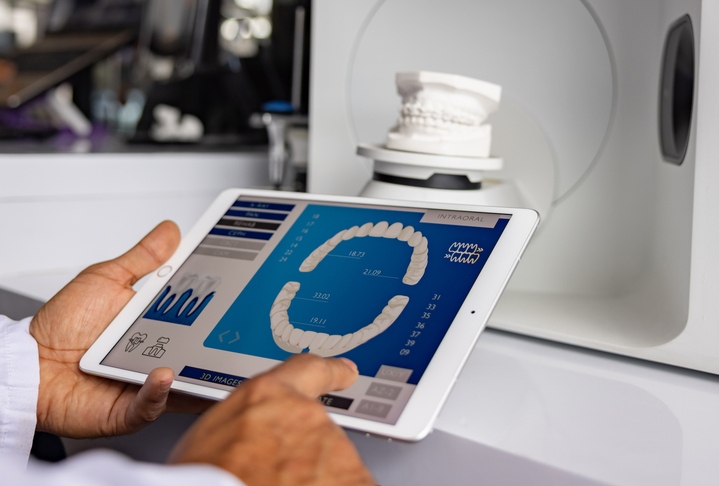
Digital dentistry – encompassing CAD/CAM technology, digital radiography, and electronic health records – offers the potential to reduce the environmental impact of dental practices. Reducing paper usage through electronic charting and digital radiography is an obvious benefit. Eliminating chemical processing associated with traditional film development also minimizes waste and pollution.
However, the equation isn't quite that simple. Digital equipment consumes energy, and the manufacturing of these devices has its own environmental footprint. Furthermore, the lifecycle of digital devices—from production to disposal—presents challenges related to e-waste. The constant upgrades and replacements of digital equipment can contribute to a growing stream of electronic waste.
The key is to consider the entire lifecycle. While digital radiography eliminates the need for chemical developers, it requires computers, monitors, and sensors, all of which consume energy and eventually become e-waste. Implementing responsible e-waste recycling programs is crucial.
Digital dentistry isn’t a panacea, but a step in the right direction. It’s about making informed choices and mitigating the environmental impact of each technology. A holistic approach is needed, considering both the benefits and drawbacks of digital tools.
Meet the Pioneers: Eco-Dentists in Action
Several dentists and practices are leading the charge in sustainable dentistry, demonstrating that eco-friendly practices are both possible and profitable. These pioneers are proving that small changes can add up to a significant impact.
New York Dental Office, featured on Meet My Dentist, is actively committed to reducing its environmental footprint. They prioritize digital radiography to minimize chemical waste and have implemented a comprehensive recycling program. They also focus on water conservation strategies within the office.
Dr. Emily Carter, of Green Smiles Dentistry in Portland, Oregon, has completely eliminated amalgam fillings from her practice, opting for composite alternatives. She’s also invested in energy-efficient equipment and utilizes a closed-loop water system to minimize water usage. Her practice is carbon neutral, offsetting its emissions through renewable energy credits.
Dr. David Lee, in Austin, Texas, has embraced digital workflow throughout his practice. He uses CAD/CAM technology for restorations, eliminating the need for traditional impressions and models. He also actively educates his patients about sustainable dental practices, encouraging them to make informed choices.
These examples demonstrate that sustainability isn’t limited to large, well-funded practices. Small practices can also implement meaningful changes, such as switching to eco-friendly cleaning products, reducing paper usage, and partnering with local recycling programs. It's about a commitment to continuous improvement.
Looking Ahead: 2026 and Beyond
The future of dentistry is undeniably greener. Several emerging trends are poised to accelerate the adoption of sustainable practices. We can expect to see further development of bio-based and biodegradable materials, offering more viable alternatives to traditional dental materials.
Advancements in sterilization technology will likely lead to more efficient and water-conserving methods. Policies and regulations are also expected to play a greater role, potentially incentivizing sustainable practices and disincentivizing environmentally harmful ones. The requirement for amalgam separators is a good example of this.
Patient demand will be a significant driver of change. As patients become more aware of the environmental impact of their healthcare choices, they will increasingly seek out eco-friendly dentists. Practices that prioritize sustainability will have a competitive advantage.
While challenges remain, the momentum is building. Continued research and innovation, coupled with a collective commitment from dentists, manufacturers, and policymakers, will pave the way for a more sustainable future for dentistry. It's a journey, not a destination, and one that requires ongoing effort and adaptation.
No comments yet. Be the first to share your thoughts!