

A quick look at virtual dental visits
Telehealth dentistry, also known as virtual dental care, is expanding access to dental guidance. It’s not a replacement for seeing your Local Dentist for a check-up and cleaning, but it is a convenient way to address certain dental concerns from home. Think of it as a preliminary assessment or a follow-up, rather than a comprehensive exam. It’s about making dental care more accessible, especially for people in rural areas or those with limited mobility.
Virtual visits save travel time and usually cost less than an office call. You won't get a filling or a deep cleaning through a screen, but the tech has improved significantly since 2020.
Telehealth covers everything from live video chats to sending photos of a chipped tooth for review. If you want to see the official federal guidelines on how these services work, the HHS website maintains a full breakdown of digital health standards.
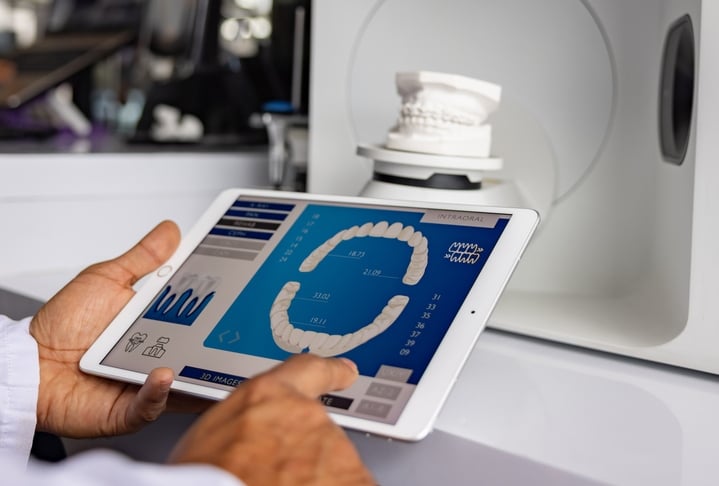
What virtual dentistry actually does
Telehealth dentistry excels at certain tasks. Initial screenings for issues like gum disease or tooth decay can be done through a visual examination via video. Post-operative check-ins are a great use case; a dentist can assess your healing remotely and answer questions. Guidance on proper brushing and flossing techniques is also easily delivered virtually.
Emergency triage is another strong application. If you’re experiencing dental pain, a virtual dentist can help determine if you need immediate in-person care or if you can manage the symptoms at home. They can offer advice on pain management and recommend over-the-counter remedies. But let’s be clear: they likely won’t diagnose a cavity during a virtual visit.
Don't expect a virtual dentist to perform a comprehensive exam. They can't take X-rays remotely, and a visual inspection has its limits. They can, however, review photos or videos you provide of your mouth to get a better understanding of the issue. The goal is often to stabilize a situation and guide you toward appropriate in-person care when needed.
Checking credentials and licensing
I always ask for a license number before starting a call. A video feed doesn't prove someone is a dentist, so you need to verify they are in good standing with their board.
Then, check with your state’s dental board. Every state has a board that regulates the practice of dentistry and maintains a public database of licensed dentists. You can typically find this information on the state government’s website. A quick search for “[Your State] Dental Board” should lead you to the right place. This will confirm their license is active and free of any disciplinary actions.
Board certification is another factor to consider. While not always required, it demonstrates a dentist’s commitment to continuing education and specialization in a particular area of dentistry. However, it's important to remember that even a board-certified dentist needs to be properly licensed to practice telehealth in your state. A license specifically allows someone to practice dentistry, and that practice can now include virtual care.
- Ask for the provider's license number during the intake process.
- Check with your state's dental board.
- Inquire about board certification (optional, but a plus).
Platform Features: Beyond Video Calls
A good telehealth platform offers more than just a video call. Secure messaging is essential for follow-up questions and sharing information. The ability to upload high-quality photos and videos of your mouth allows the dentist to get a better visual assessment. Look for platforms that prioritize data security and encryption.
Integration with your existing dental records is a huge benefit, though it’s not always available. If a platform can access your records (with your permission, of course), it provides the dentist with a more complete picture of your dental history. Ease of use is also critical, especially for older adults who may not be tech-savvy. A clunky interface can be frustrating and hinder effective communication.
I’ve noticed some platforms are starting to incorporate AI-powered preliminary assessments. These tools can analyze photos of your teeth and gums to identify potential issues, but they should always be followed up with a consultation with a real dentist. The technology is promising, but it’s not a substitute for professional judgment.
Costs and insurance
The cost of telehealth dental consultations varies. Generally, you can expect to pay between $50 and $150 per consultation, but this can fluctuate depending on the provider, the length of the consultation, and the complexity of the issue. Some providers offer subscription models, providing unlimited access to consultations for a monthly fee. These can range from $20 to $80 per month.
Insurance coverage is still evolving. Many dental insurance plans do not currently cover telehealth consultations, but this is changing. It’s best to check with your insurance provider to see if they offer any coverage. If not, you may be able to submit the cost as a medical expense on your FSA or HSA account.
You can find a Local Dentist that offers telehealth options through resources like Meet My Dentist (meetmydentist.com). It’s a good starting point for finding providers in your area and comparing their services. Remember to always factor in the cost of the consultation when making your decision. Don't assume it will be cheaper than a traditional visit.
Privacy & Security: Protecting Your Data
Protecting your personal and dental information is non-negotiable. Telehealth providers are legally required to comply with HIPAA (Health Insurance Portability and Accountability Act) regulations. This means they must have safeguards in place to protect the privacy and security of your health information.
Look for platforms that use encryption to protect your data during transmission. They should also have secure data storage practices and access controls to prevent unauthorized access. Always read the provider’s privacy policy carefully to understand how your data will be used and shared. Don't hesitate to ask questions if something is unclear.
Be wary of platforms that don’t clearly outline their security measures. Your dental records contain sensitive information, and you have a right to know that it’s being protected. A reputable telehealth provider will be transparent about their data security practices.
Top Telehealth Providers: A Comparison
Several companies are making waves in the telehealth dentistry space. SmileDirectClub offers virtual consultations for clear aligner therapy, focusing on orthodontic treatment. Their pricing is relatively transparent, but it’s geared specifically towards aligners. Teledentists provides a broader range of virtual dental services, including emergency triage and post-operative check-ins. They tend to be more expensive than some other options.
Virtual Dental Care positions itself as a comprehensive platform, offering a variety of services from general check-ups to specific concerns. User reviews are generally positive, praising the convenience and responsiveness of their dentists. However, some users have reported issues with insurance coverage. 123Smile is another option, with a focus on affordability and accessibility. They often offer lower consultation fees, but their network of dentists may be smaller.
It’s important to note that each provider has its strengths and weaknesses. SmileDirectClub is best for those seeking clear aligners, while Teledentists offers a wider range of services. Virtual Dental Care balances convenience and comprehensiveness, and 123Smile prioritizes affordability. Consider your specific needs and budget when making your choice. User reviews are a good starting point, but don't rely on them exclusively.
Here's a quick comparison table:
- Teledentists covers emergency triage and post-op checks but sits at a higher price point.
- Teledentists: Broad range of services, higher cost.
- Virtual Dental Care: Comprehensive, generally positive reviews.
- 123Smile: Affordable, smaller dentist network.
Telehealth Dental Provider Comparison - 2026
| Provider Name | Key Features | Pricing Model | Areas of Specialization | User Feedback Summary | Pros | Cons |
|---|---|---|---|---|---|---|
| SmileVirtual | Live video consultations with licensed dentists, prescription options (where legally permissible), focus on preventative care and urgent issues. | Per-consultation fee; potential subscription options may exist. | General dentistry, urgent dental care, limited orthodontics guidance. | Generally positive; users appreciate convenience and quick access to advice. Some report occasional technical difficulties. | Convenient access to dentists, potentially faster than traditional appointments, good for initial assessments. | Limited to visual assessment; cannot replace in-person exams, prescription availability varies by state. |
| Teledentistry.com | Asynchronous consultations (store-and-forward), live chat options, integration with some dental practices. | Varies depending on the service package selected by the affiliated dental practice. | Preventative care guidance, post-operative check-ins, triaging dental issues. | Mixed; some users find the asynchronous model helpful, others prefer live video. Response times can vary. | Good for routine follow-ups and preventative advice, potentially lower cost than live video consultations. | Asynchronous nature may not be suitable for urgent issues, relies on accurate patient-submitted information. |
| Virtual Dental Care | Live video consultations, focus on emergency dental advice, potential connection to local dentists for follow-up care. | Per-consultation fee, with tiered pricing potentially available. | Emergency dental issues, pain management advice, initial diagnosis. | Positive; users report helpful emergency advice and quick response times. Some mention difficulty with insurance coverage. | Strong focus on emergency care, can provide immediate guidance for acute dental problems, potential for local dentist referrals. | May not be suitable for routine dental care, insurance coverage can be complex. |
| DentiCare Live | Live video consultations, integration with teledentistry tools for enhanced visual assessment, potential for remote monitoring. | Subscription-based model, with varying tiers based on usage. | Comprehensive dental care, including preventative, restorative, and cosmetic dentistry guidance. | Limited data available; early reports suggest good quality of consultations but a higher price point. | Comprehensive service offering, potential for ongoing remote monitoring, advanced teledentistry tools. | Higher cost compared to per-consultation models, subscription may not be suitable for infrequent users. |
Qualitative comparison based on the article research brief. Confirm current product details in the official docs before making implementation choices.

No comments yet. Be the first to share your thoughts!