

Start with your specific dental needs
Finding the right Meet My Dentist provider begins with a clear inventory of your own oral health requirements. Dental practices rarely specialize in everything, and matching your specific needs to the right office saves time and ensures you receive appropriate care. Whether you need routine cleanings, complex restorative work, or specialized pediatric attention, identifying your primary requirement first narrows the field significantly.
General dentistry covers the foundational work most patients need: exams, cleanings, fillings, and basic extractions. If your primary goal is maintaining overall oral health and preventing decay, a general practice is the standard starting point. These offices handle the majority of everyday dental issues and serve as the hub for coordinating referrals to specialists when necessary.
For those focused on aesthetics, cosmetic dentistry offers treatments like teeth whitening, veneers, and bonding. This specialization prioritizes the appearance of your smile over purely functional repairs. If your main concern is how your teeth look rather than how they function, seek out a provider who explicitly highlights cosmetic services in their portfolio.
Pediatric dentistry requires a different skill set, focusing on the unique needs of children and adolescents. These dentists are trained to manage behavior, guide jaw development, and establish lifelong healthy habits in a child-friendly environment. If you are searching for a Meet My Dentist for your children, look for offices equipped with pediatric-specific tools and a warm, engaging atmosphere.
Emergency care availability is another critical factor. Not all practices handle acute pain or trauma on short notice. If you live in an area with unpredictable dental issues or work irregular hours, confirm that your potential provider offers same-day appointments or has a clear protocol for urgent cases. This foresight prevents minor issues from becoming painful emergencies.
Evaluate technology and patient comfort
When you meet your dentist, the tools they use can tell you a lot about the quality of care they provide. Modern practices have moved far beyond the basic mirror and probe. High-quality clinics now rely on digital imaging and 3D scanning to make diagnoses more accurate and visits more comfortable. These technologies reduce the need for messy impression materials and lower radiation exposure, giving you a clearer picture of your oral health with less discomfort.
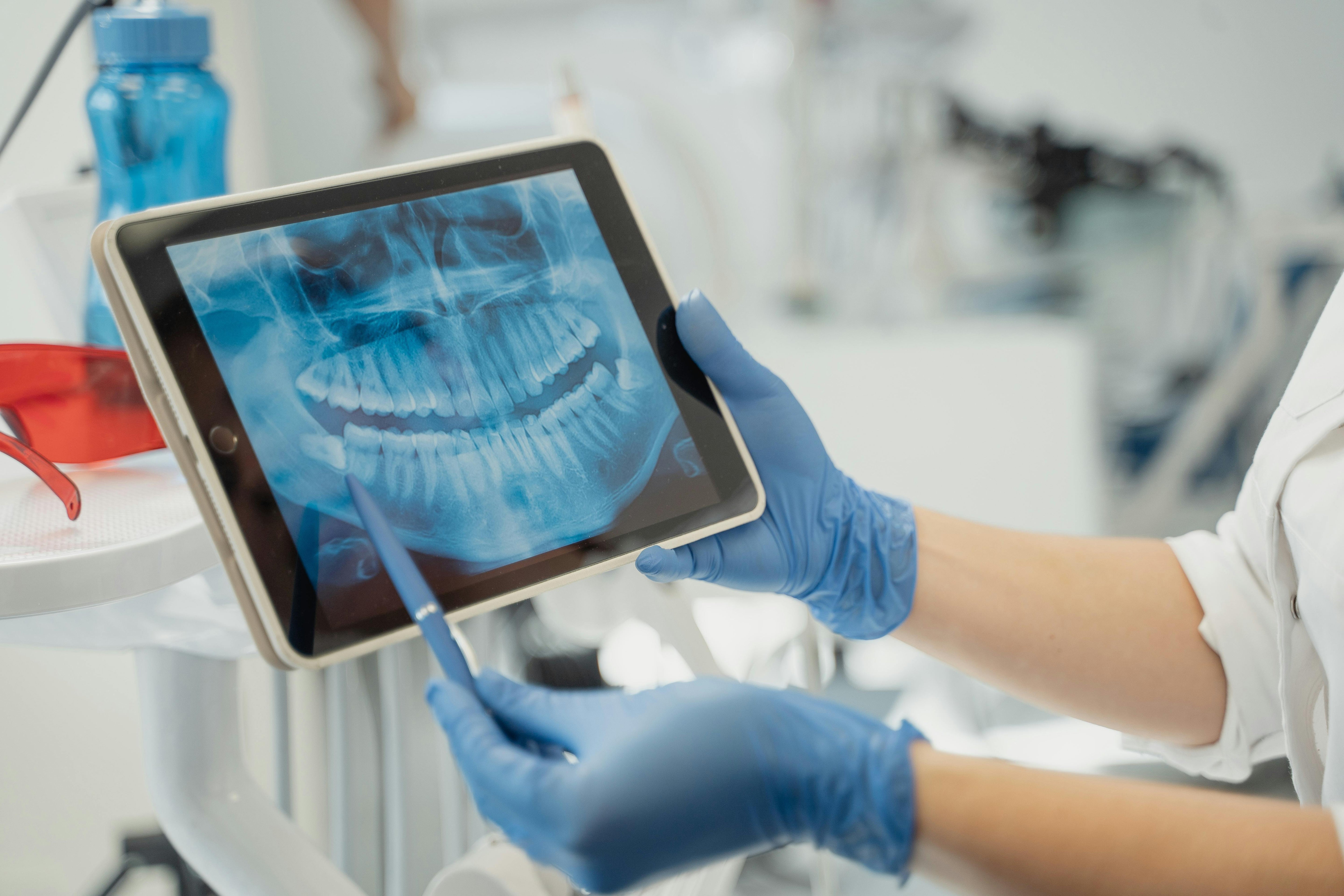
Digital X-rays are the standard for efficient diagnosis. They capture images instantly, allowing your dentist to spot cavities, bone loss, or infections without the wait time of traditional film. This speed means you spend less time in the chair and more time getting answers. Many practices also use intraoral cameras, which let you see exactly what the dentist sees on a screen. This transparency helps you understand your treatment plan and makes it easier to ask informed questions.
For restorations and orthodontics, 3D scanners like iTero have replaced traditional putty impressions. These handheld devices create a precise digital model of your teeth in minutes. The experience is far more pleasant than gagging on alginate trays, and the digital models are often more accurate for creating crowns, aligners, or veneers. When evaluating a practice, asking if they use digital scanning is a good way to gauge their commitment to patient comfort and precision.
Even at home, technology plays a role in maintaining the results of your professional care. Smart toothbrushes with pressure sensors and app connectivity help you brush effectively and track your habits. These devices provide feedback on areas you might be missing, ensuring you maintain the hygiene between visits. Choosing a practice that values both clinical technology and home-care tools shows they are focused on long-term oral health, not just quick fixes.
Check credentials and patient reviews
Finding a dentist you trust starts with verifying their qualifications and reading what current patients have to say. A valid license is the baseline, but how you interpret online reviews determines whether their bedside manner matches your needs.
Verify active licensing
Before booking, confirm the dentist holds an active license in your state. Most state dental boards offer free online search tools where you can check for disciplinary actions or expired credentials. This simple step filters out practitioners who may not be meeting current professional standards.
Read reviews for patterns, not just scores
Star ratings can be misleading. Look for patterns in the text rather than focusing on a single 5-star or 1-star review. Pay attention to comments about wait times, staff friendliness, and how the dentist explains treatment options. Consistent praise for "thorough explanations" or complaints about "rushed appointments" offer more insight than the average score.
Assess communication style
Your "Meet My Dentist" experience should feel collaborative. During a consultation or initial phone call, note whether they listen to your concerns without interrupting. Do they use clear language, or do they rely heavily on jargon? A good dentist takes the time to ensure you understand your oral health plan.
Trust your instincts
If something feels off during the verification process or the first visit, it is okay to look elsewhere. Dental care is long-term, and comfort with your provider is essential for consistent, preventive care. Choose a practice where you feel heard and respected.
Essential tools for your new dental routine
Meeting the right dentist is only half the equation; the other half happens in your bathroom mirror. The tools you use at home determine how long those cleanings last and how much work your local dentist has to undo. Think of your daily routine as a three-part system: cleaning, protecting, and supporting. When these pieces work together, you reduce the need for invasive procedures and keep your smile healthy between visits.
The electric toothbrush
Manual brushing leaves behind plaque in hard-to-reach spots, which is why dentists consistently recommend electric toothbrushes. The oscillating or sonic action removes significantly more plaque than a manual brush, especially around the gumline where gingivitis starts. Look for a model with a pressure sensor to prevent damaging your enamel, and replace the brush head every three months or sooner if the bristles fray.
Water flossers
Flossing is the most skipped step in oral hygiene, but it is non-negotiable for preventing gum disease. Water flossers make this task easier by using a targeted stream of pulsating water to flush out debris from between teeth and below the gumline. They are particularly helpful for people with braces, bridges, or tight contacts that traditional floss struggles to navigate. Using a water flosser daily can reduce gum bleeding and inflammation in just a few weeks.
Fluoride toothpaste and mouthwash
Fluoride is the single most effective ingredient for preventing cavities. It strengthens enamel and helps reverse early signs of decay. Choose a toothpaste with the ADA Seal of Acceptance to ensure it meets safety and efficacy standards. Pair this with an alcohol-free therapeutic mouthwash to reach areas your brush and floss might miss, keeping bacteria levels low throughout the day.


As an Amazon Associate, we may earn from qualifying purchases.
Compare local practice options
Finding the right "meet my dentist" experience often comes down to logistics. Before booking a consultation, it helps to see how local practices stack up against your daily routine. Location, office hours, and accepted insurance are the first filters that determine whether a practice fits your life.
The table below outlines key differences between two common types of local dental providers. Use this to narrow down your search before you visit a website or call for an appointment.
| Feature | General Family Practice | Specialty Implant/Cosmetic |
|---|---|---|
| Location | Usually neighborhood-based, easy access | Often located in medical centers or larger hubs |
| Hours | Standard business hours, some evenings | Varies widely, often limited availability |
| Insurance | Accepts most major PPO plans | May require pre-authorization or cash pay |
| Primary Focus | Preventive care, cleanings, fillings | Complex restorations, implants, veneers |
Start by checking if the office is within a reasonable commute. A practice that is slightly further away but offers flexible scheduling or specific insurance coverage may save you more stress in the long run. Once you have a shortlist, check their online booking options to see how easy it is to schedule that initial meeting.
Frequently asked questions about finding a dentist
Can dentists help with sleep apnea?
Dentists are often the first line of defense against sleep apnea. They can identify early signs through oral exams, recommend sleep studies, and provide custom oral appliances. These devices reposition the jaw to keep airways open, improving breathing and reducing snoring without the need for surgery.
What is the 333 rule for dentists?
The 333 rule is a common strategy for managing mild dental pain at home. It involves taking three tablets of ibuprofen (200 mg each) every three hours for a maximum of three days. This approach targets inflammation, which is often the primary cause of toothaches, while you wait for a professional appointment.
What is the 2 year rule for dentists?
The "2-year rule" suggests you should visit a dentist no more than once every two years, but this is not a recommended standard for most people. Routine care typically requires visits every six months, or as advised by your dentist based on your specific oral health needs and risk factors.
No comments yet. Be the first to share your thoughts!