

A Shift in Smiles: Post-Pandemic Trends
The COVID-19 pandemic significantly disrupted routine healthcare, and pediatric dentistry was no exception. Many families understandably postponed dental checkups, leading to a concerning backlog of untreated dental issues. Data from late 2023 and early 2024 showed a noticeable increase in the number of children presenting with cavities, and, unfortunately, more severe dental problems than we typically see.
This delay in care wasn't just about cavities. We also observed a rise in cases requiring more complex treatment, like root canals in baby teeth, because problems had been allowed to progress. It’s not surprising that many parents also reported increased anxiety about returning to in-office appointments, worried about potential exposure to illness. It’s a valid concern that practices had to address.
However, the pandemic also spurred innovation within pediatric dentistry. We’ve seen a rapid adoption of telehealth options, and a growing interest in technologies designed to make the dental experience less stressful for children. It's a new landscape, and parents need current information to navigate it effectively. The goal now is to get back on track – and to build on the positive changes that have emerged.
The Rise of Virtual Dentistry for Kids
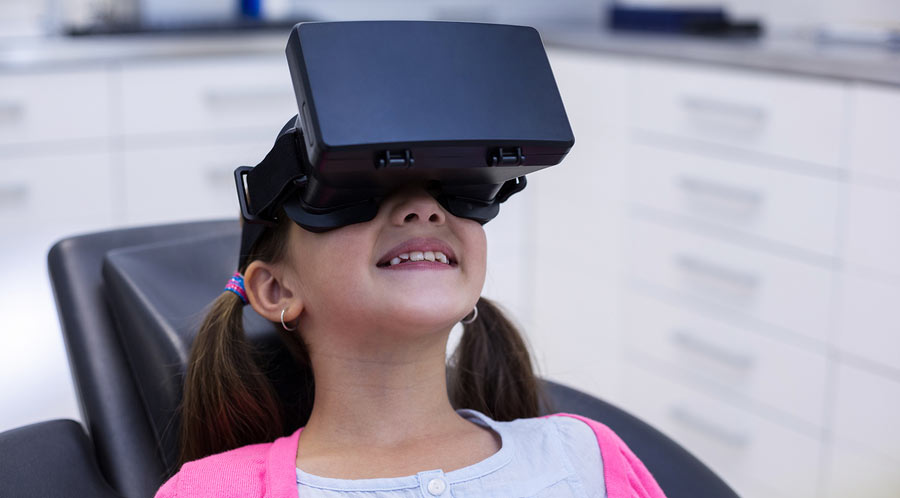
One of the most exciting developments in pediatric dentistry is the integration of virtual reality (VR) technology. According to Meet My Dentist, VR is being used in innovative ways to distract children during procedures, effectively reducing anxiety and the perceived discomfort. Think about it: a child immersed in a virtual underwater world is likely far less aware of the sounds and sensations of a dental exam.
The benefits extend beyond distraction. VR can also be used as an educational tool, helping children understand why dental care is important and teaching them proper oral hygiene techniques in an engaging way. While the initial investment in VR equipment can be substantial for dental practices, the technology is becoming increasingly accessible and affordable. The cost to the patient isn’t always directly passed on.
Teledentistry, or remote dental care, has also expanded significantly. While it can't replace in-person exams entirely, teledentistry is excellent for post-operative check-ins, consultations about minor concerns, and screenings to determine if an in-office visit is necessary. However, it’s important to understand the limitations. Teledentistry can’t be used for procedures that require hands-on treatment, and a reliable internet connection is essential. It’s a valuable tool, but it’s not a complete substitute for traditional care.
- Post-Operative Check-ins: Ensuring proper healing after procedures.
- Consultations: Addressing minor concerns and answering questions remotely.
- Screenings: Identifying potential issues that require in-office evaluation.
VR Dentistry for Children: Pros & Cons
- Distraction & Anxiety Reduction: Virtual Reality (VR) can divert a child's attention during dental procedures, potentially reducing anxiety and fear. Studies suggest immersive experiences can modulate pain perception.
- Potential for Reduced Sedation: In some cases, VR may lessen the need for traditional sedation methods, offering a drug-free approach to managing dental anxiety. However, it's not a replacement for sedation when medically necessary.
- Cost Considerations: Implementing VR dentistry requires a significant initial investment for dental practices, including headsets (like the HTC Vive or Oculus Quest), software, and staff training. This cost is often passed on to patients, making it potentially more expensive than traditional methods.
- Accessibility Limitations: VR dentistry isn't yet widely available. Access is currently limited to practices that have invested in the technology, creating disparities in care availability based on location and practice resources.
- Age & Maturity Dependence: The effectiveness of VR is highly dependent on a child’s age and ability to understand and engage with the virtual environment. Younger children or those with certain cognitive differences may not benefit as much.
- Potential Side Effects: Some children may experience motion sickness, eye strain, or disorientation while using VR headsets. Careful monitoring and appropriate headset adjustments are crucial. Pre-existing conditions, like epilepsy, require careful consideration.
- Limited Procedure Applications: Currently, VR is most effectively used for relatively short, less invasive procedures. More complex treatments may not be suitable for VR distraction alone.
- Hygiene Concerns: Maintaining hygiene of VR headsets between patients is critical to prevent the spread of infection. Practices must have robust cleaning and sterilization protocols in place.
Early Intervention: Why It Matters Now
Given the disruptions of the past few years, early intervention in pediatric dental health is more critical than ever. Untreated cavities can lead to pain, infection, difficulty eating, and even impact a child's ability to concentrate in school. These issues don’t just affect their oral health; they can have a ripple effect on their overall well-being.
Regular checkups allow dentists to identify and address problems early, when they are easier and less expensive to treat. It’s also the ideal time to discuss preventative measures, like proper brushing and flossing techniques, and to provide guidance on healthy eating habits. Don’t underestimate the power of establishing good habits early on.
Around age seven, the American Academy of Pediatric Dentistry recommends an orthodontic evaluation. This doesn’t necessarily mean braces are immediately needed, but it allows the dentist to assess jaw development and identify potential issues, such as crowding or misalignment, that might benefit from early intervention to prevent more serious problems down the road.
Sedation Options: A Parent's Guide
Many parents understandably have questions and concerns about sedation options for their children’s dental procedures. It's important to know that pediatric dentists are highly trained in administering sedation safely and effectively. There are several options available, each with its own pros and cons.
Local anesthesia is the most common type of sedation, used to numb the area where the procedure will be performed. It's generally very safe, with minimal side effects. Nitrous oxide (laughing gas) is a mild sedative that helps children relax during treatment. It wears off quickly, so children can usually return to their normal activities immediately afterward. Oral sedation involves giving the child a medication by mouth to help them relax and may induce drowsiness.
For more complex or lengthy procedures, IV sedation may be recommended. This involves administering medication directly into the bloodstream, providing a deeper level of sedation. IV sedation requires careful monitoring by a trained anesthesiologist or dentist. Safety protocols are paramount with all sedation options, including thorough medical history review, monitoring of vital signs, and appropriate emergency equipment readily available. Pediatric Dentistry of Wyoming outlines these options well, and emphasizes the importance of discussing the best choice with your dentist.
Pediatric Sedation Options: A Comparison for Parents
| Anxiety Level Addressed | Procedure Suitability | Recovery Experience | Potential Considerations |
|---|---|---|---|
| Local Anesthetic | Good for minor procedures; numbs the treatment area. | Quick recovery; typically minimal discomfort post-procedure. | Limited impact on overall anxiety; may require additional comfort measures for fearful children. |
| Nitrous Oxide (Laughing Gas) | Mild to moderate anxiety; creates a relaxed feeling. | Suitable for short to moderate length procedures; commonly used for fillings or cleanings. | Fast recovery; effects wear off quickly after gas is stopped. Some children dislike the nasal hood. |
| Oral Sedation | Moderate anxiety; promotes calmness and drowsiness. | Well-suited for longer or more complex procedures; allows for a more relaxed experience. | Requires parental supervision for transport and monitoring; recovery can take several hours, with drowsiness common. |
| IV Sedation | Significant anxiety or extensive treatment needs; allows for a deeper state of relaxation. | Appropriate for complex or lengthy procedures; allows the dentist more control. | Requires a qualified anesthesiologist; longer recovery period with close monitoring needed. Higher risk of potential complications. |
| Behavioral Management Techniques (Non-Sedation) | Mild anxiety; uses positive reinforcement and communication. | Best for cooperative children and routine care; builds positive dental experiences. | Relies on child's cooperation; may not be sufficient for high anxiety or extensive procedures. |
| General Anesthesia | Extreme anxiety or complex medical needs; provides complete unconsciousness. | Reserved for very young children, those with significant medical conditions, or extensive procedures. | Requires hospital setting and a qualified anesthesiologist; longest recovery period with potential for more significant side effects. |
Qualitative comparison based on the article research brief. Confirm current product details in the official docs before making implementation choices.
Infant Oral Care: Setting the Foundation
Establishing good oral hygiene habits early in life is crucial for a lifetime of healthy smiles. It’s a common misconception that you shouldn’t worry about oral care until teeth erupt. In fact, you should start before teeth appear. Gently wipe your baby’s gums with a soft, damp cloth after each feeding to remove bacteria and prevent the buildup of plaque.
Once teeth do emerge, switch to a soft-bristled toothbrush and a tiny smear of fluoride toothpaste (about the size of a grain of rice). As children get older, you can gradually increase the amount of toothpaste to a pea-sized amount. The American Academy of Pediatric Dentistry provides specific guidance on fluoride intake based on age and risk factors.
Preventing early childhood caries (baby bottle tooth decay) is especially important. Avoid putting your baby to bed with a bottle containing milk, juice, or sugary drinks. These liquids can pool around the teeth, creating an environment where bacteria thrive. Pediatric Dentistry of Wyoming provides great resources on preventing these issues.
Navigating Dental Insurance and Costs
Understanding dental insurance coverage can be confusing. Most dental insurance plans cover preventative care, such as checkups and cleanings, at 100%. They typically cover a percentage of the cost of restorative treatments, like fillings and crowns, with the percentage varying depending on the plan. It’s important to review your policy details to understand your specific coverage.
For families without dental insurance, there are still options available. Community dental clinics often offer reduced-fee or sliding-scale services. Some dental schools also offer low-cost treatment provided by students under the supervision of experienced dentists. Many dental offices also offer payment plans to help families spread out the cost of treatment.
Don't hesitate to discuss your financial concerns with your dentist or their office staff. They may be able to help you explore different options and find a solution that fits your budget. It’s important to remember that investing in your child’s dental health is an investment in their overall well-being.
- Community Dental Clinics: Offer reduced-fee or sliding-scale services.
- Dental Schools: Provide low-cost treatment.
- Payment Plans: Allow you to spread out the cost of treatment.
Finding the Right Pediatric Dentist
Choosing the right pediatric dentist is a significant decision. Look for a dentist who is board-certified by the American Academy of Pediatric Dentistry, indicating they have completed specialized training in treating children. A good pediatric dentist should be experienced, compassionate, and have a knack for communicating with children in a way that puts them at ease.
During a consultation, don't hesitate to ask questions about the dentist’s experience, treatment philosophy, and approach to managing anxious children. Observe how the dentist interacts with your child – do they seem patient and understanding? A positive first impression can make all the difference. Also, consider the office environment – is it clean, welcoming, and child-friendly?
Resources like Meet My Dentist can be invaluable in your search. We provide detailed profiles of local pediatric dentists, including their qualifications, services offered, and patient reviews. Finding a dentist who is the right fit for your family is crucial for ensuring a positive and stress-free dental experience for your child.
- Check for Board Certification: Ensures specialized training.
- Assess Communication Skills: Look for a dentist who can connect with your child.
- Consider the Office Environment: A welcoming space can reduce anxiety.
No comments yet. Be the first to share your thoughts!