

A New Look at Little Smiles
A parent recently shared their worry about their three-year-old’s first dental visit, fearing a traumatic experience. This anxiety is common, but pediatric dentistry is changing rapidly. It's not your grandparents' dentist's office anymore.
Children's dental health is shifting from a 'drill and fill' approach to a more preventative and holistic model. Technologies and communication methods are evolving, making it essential for parents to stay informed about the best care for their kids.
This shift focuses on making dental care more comfortable, effective, and accessible. These trends will become more pronounced, offering new opportunities to safeguard your child’s smile.
Teledentistry Takes Root
Teledentistry, or virtual dental care, has grown significantly. It expands access and offers convenient solutions for situations like initial consultations, post-operative check-ins, and oral hygiene guidance, especially for families in rural areas or those with children who have difficulty traveling.
While teledentistry is useful for consultations and guidance, deep cleanings, fillings, or any hands-on treatment require an in-person visit. My Dentist & Me Pediatric Dentistry in Riverside, CA, is an example of a practice adapting to this model.
Artificial intelligence may enhance teledentistry by assisting in analyzing at-home images of teeth to identify potential problems. However, this is still in early stages, and a qualified dentist’s expertise remains critical. AI is a helpful supplement, not a replacement.
- Initial consultations
- Post-operative check-ins
- Oral hygiene guidance
- Preliminary assessments (with caution)
Early Intervention & Preventative Focus
Dental care is starting much earlier. The American Academy of Pediatric Dentistry recommends a first dental visit when the first tooth erupts, or by their first birthday. This visit establishes good oral hygiene habits from the beginning, not just checks for cavities.
Silver diamine fluoride (SDF) is a non-invasive treatment that stops cavities from progressing and can reverse early decay. It stains treated areas black, which causes hesitation for some parents, but it is effective for young children or those with multiple cavities. MyKIDSdds in Dallas, TX, emphasizes preventative care.
Risk-based caries management assesses a child’s individual cavity risk factors (diet, oral hygiene, saliva flow, existing conditions) to tailor a preventative plan. This is a personalized approach, unlike a one-size-fits-all strategy.
Dentists are spending more time counseling parents on healthy diets (limiting sugary drinks and snacks) and proper brushing/flossing techniques. This is a team effort where the dentist provides knowledge and parents implement it at home.
Minimally Invasive Dentistry
Minimally invasive dentistry aims to preserve healthy tooth structure, reducing anxiety and discomfort for children, as an alternative to traditional drilling.
Air abrasion (using air and particles to remove decay) and laser dentistry offer alternatives to the traditional drill that can be less painful and require less anesthesia. These methods require specialized training and equipment and are not available at every practice.
Air abrasion suits small cavities, while laser dentistry handles cavity preparation and gum disease treatment. The traditional drill remains appropriate for some cases. Seeking a dentist trained in these techniques is advisable if interested.
- Air abrasion
- Laser dentistry
- Resin infiltration
Sedation Dentistry Advances
Sedation dentistry is a valuable tool for children with severe anxiety, extensive treatment needs, or special healthcare requirements. Options range from nitrous oxide (laughing gas) to oral and IV sedation. My Kid's Dentist & Orthodontics in Pearland, TX, offers various sedation options.
Pediatric sedation requires qualified personnel to closely monitor the child’s vital signs and have appropriate emergency equipment readily available.
Sedation, when administered properly, is generally safe and can reduce fear and discomfort. A thorough evaluation and discussion with the dentist are essential to determine if it is the right choice for your child.
Sedation creates a positive dental experience and reduces the likelihood of future anxiety, not just compliance.
- Nitrous oxide (laughing gas)
- Oral sedation
- IV sedation
- General anesthesia (in limited cases)
Special Needs Dentistry: More Inclusive Care
There is growing recognition of the unique dental needs of children with special needs (autism, Down syndrome, cerebral palsy, etc.), who may have difficulty with traditional procedures due to sensory sensitivities, communication challenges, or physical limitations.
Dentists are seeking specialized training to modify treatment techniques, adapt communication strategies, and create sensory-friendly environments (e.g., quiet rooms, dimmed lights, slower pace) to address the needs of children with special needs.
Individualized treatment plans are essential, as what works for one child may not work for another. Proactive communication between parents and the dental team is important. Greater accessibility and specialized care are still needed.
Finding a dentist comfortable and equipped to treat children with complex medical needs can be a challenge for families.
Featured Products
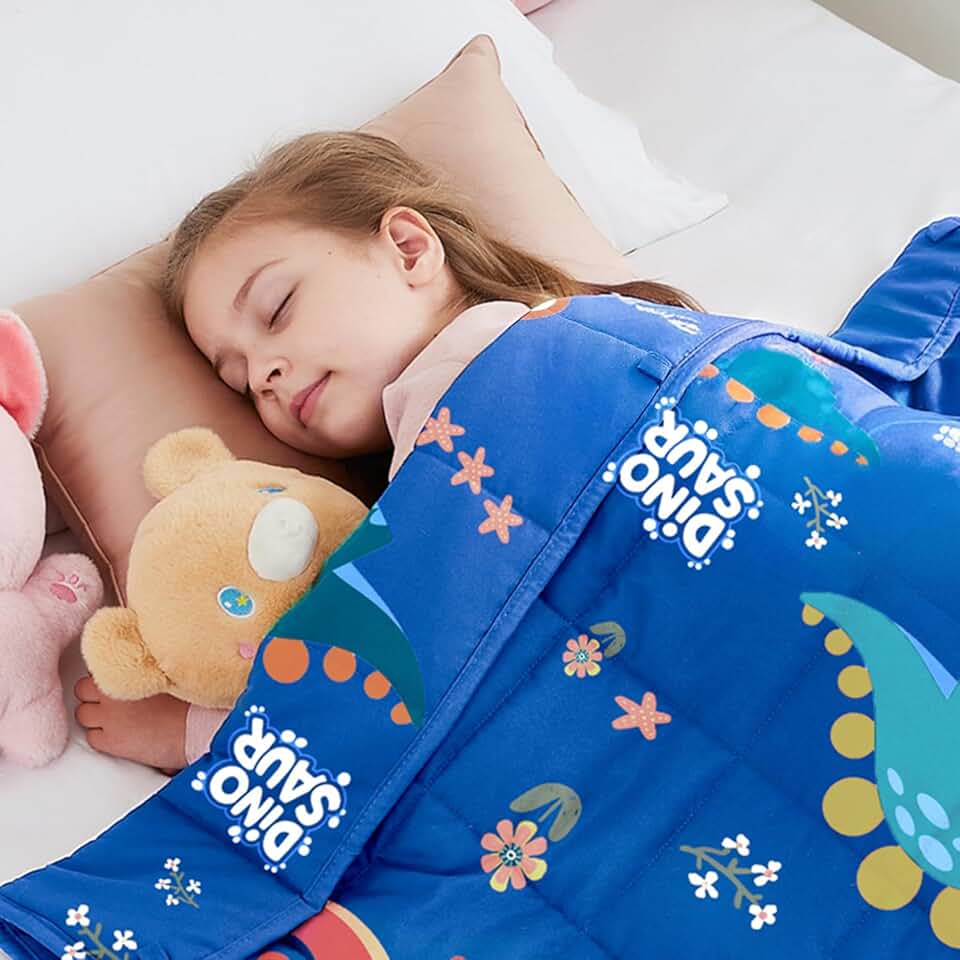
5 lbs weight provides gentle pressure for calming effect · Breathable fabric for comfort · OEKO-TEX STANDARD 100 certified for safety
This weighted blanket can offer a sense of security and calm, potentially reducing anxiety for children during dental visits.
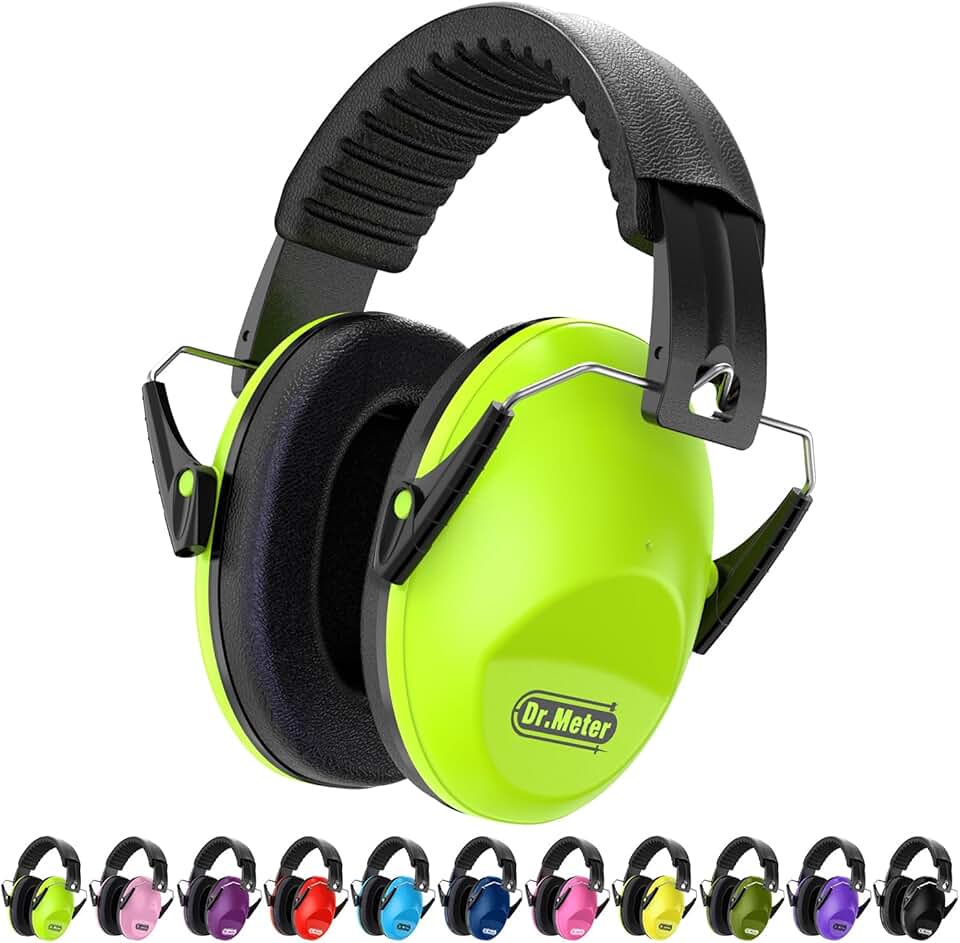
27.4 SNR rating for effective noise reduction · Adjustable design for a comfortable fit · Suitable for various noisy environments
These noise-canceling earmuffs can help children with sensory sensitivities manage the sounds often present in a dental office, promoting a calmer experience.

Made from safe, durable silicone · Designed for chewing to provide sensory input · Comes in a pack of 6 for convenience
Chew necklaces offer a discreet and safe outlet for oral sensory seeking, which can help children self-regulate and reduce anxiety during dental procedures.

Visual countdown display helps children understand time passing · Includes audio and visual alarms · Aids in developing time management and scheduling skills
This visual timer can help demystify the duration of dental appointments for children, reducing apprehension by making the concept of time more tangible.
As an Amazon Associate I earn from qualifying purchases. Prices may vary.
The Rise of Digital Dentistry
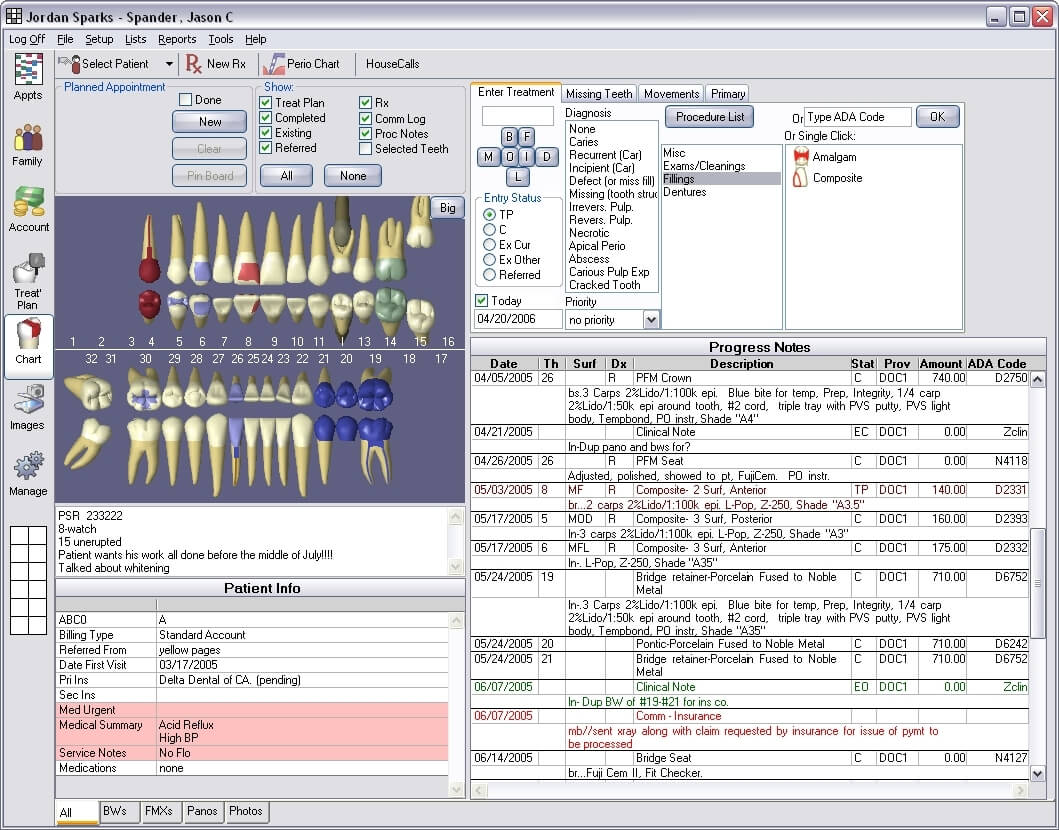
Digital technologies like 3D scanning, digital X-rays, and CAD/CAM dentistry are transforming pediatric dental care. Digital X-rays expose children to significantly less radiation than traditional X-rays.
CAD/CAM technology allows dentists to create custom crowns and fillings in-office, eliminating messy impressions and multiple appointments. 3D scanning creates accurate digital mouth models for orthodontic planning and custom appliance fabrication.
These technologies make the experience less stressful for children, as digital scanners are more
The investment in these technologies can be substantial, so they’re not yet universally available. But as the costs come down, I expect to see them become more widespread, further improving the quality and efficiency of pediatric dental care.
No comments yet. Be the first to share your thoughts!