

VR is Arriving in Pediatric Dentistry
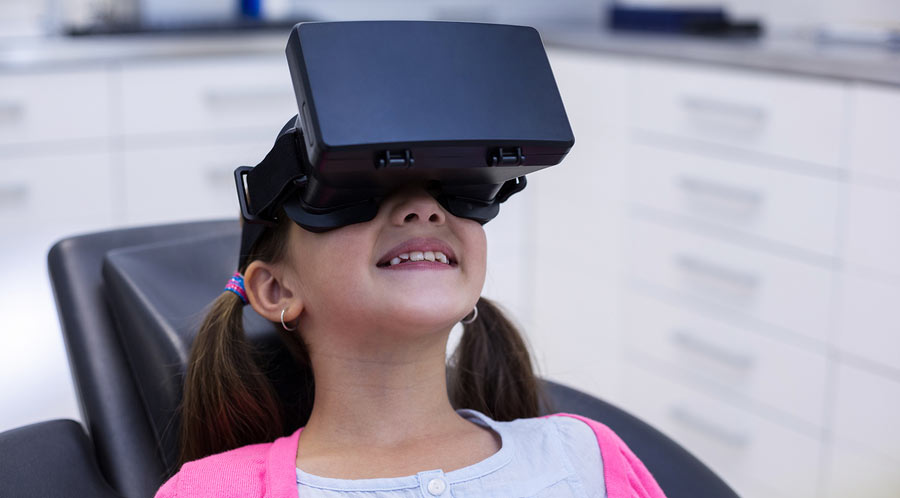
Virtual reality is moving beyond gaming and into pediatric dental offices. Practices are adopting VR to improve the dental experience for children, making visits less stressful and more cooperative.
Distraction during dental procedures isn't new. Dentists have long used television, music, and storytelling to help children cope with anxiety. VR is the next step, offering a more immersive distraction that envelops the child in a different world. It also gives the dentist and child more control.
The cost of VR headsets and software has decreased significantly, making it more affordable. This, combined with its benefits, is driving adoption. VR will likely become a standard offering in many pediatric dental offices soon, enhancing rather than replacing good dental practices.
Why Kids Fear the Dentist (and VR Helps)
Dental anxiety is common in children, often stemming from fear of pain, unfamiliar sights and sounds, and a feeling of helplessness. The drill, needles, or even the dental chair can be unsettling.
VR addresses these fears with an immersive distraction. When a child is engrossed in a virtual world, like swimming with dolphins or exploring a rainforest, their attention shifts from the dental procedure. This works by overwhelming the senses with pleasant stimuli, leaving less capacity to focus on negative sensations.
Beyond distraction, VR can foster positive associations with dental visits. Consistent positive VR experiences can lead children to associate the dentist with fun and relaxation. Some parents report their children now ask to go to the dentist because they enjoy the VR.
📢 New Publication under preparation | Rethinking “Minimally Invasive” in Pediatric Dentistry
— Ziad Baghdadi DDS PD MS PhD MPH PhD FRCD(C) ABPD (@BaghdadiZiad) April 14, 2026
I’m pleased to share my latest paper:
“When ‘Minimally Invasive’ Becomes a Ceiling: A Critical Methodological Commentary on Evidence Overinterpretation in Silver Diamine Fluoride Use…
What VR Experiences Are Available?
The variety of VR experiences for pediatric dentistry is growing. Many systems offer calming virtual tours of beaches, forests, or outer space to help children relax. Others have interactive games that require focus and sensory engagement.
Educational VR content is also growing. Some experiences teach dental health through fun, engaging methods, demonstrating proper brushing and flossing or explaining checkups. This empowers children to manage their oral health.
While brands like Surge Dental Solutions and Sikka offer tailored VR systems, many offices curate their own libraries using widely available VR platforms. The focus is on thoughtful application of the technology, not a specific product.
Beyond Distraction: VR’s Unexpected Benefits
VR's benefits in pediatric dentistry go beyond distraction. Dentists report VR improves their work as children are more cooperative and move less during procedures, leading to faster, more efficient, and higher-quality care.
VR may reduce the need for sedation. While not a replacement in all cases, it helps manage anxiety and allows children to tolerate procedures without medication, which is important for those with risky medical conditions.
VR can be especially beneficial for children with special needs. Its customizable nature creates a more comfortable and predictable experience for those with sensory sensitivities or developmental delays. The long-term psychological effects and potential for lifelong positive attitudes toward dental care warrant further study.
Finding a VR-Enabled Pediatric Dentist
To find a child-friendly dentist offering VR, start with online tools like Meet My Dentist to filter for pediatric dentists. Call offices to inquire about their VR offerings and ask detailed questions.
Consider asking: What VR experiences do they offer? Is VR available for all procedures? What age and maturity levels are suitable for VR? Is there an extra charge? What are their safety and hygiene protocols?
Consider your child's individual needs. VR isn't a one-size-fits-all solution; some children are more comfortable with it than others. Discuss any anxiety or sensitivity with the dentist before trying VR.
Cost and Insurance Coverage
The cost of VR dentistry varies by practice and experience type. Some offices include VR in their standard fees, while others charge an additional $50-$200 per session.
Insurance coverage for VR dentistry is limited, as most companies don't yet recognize it as a benefit. This is changing as research shows VR's effectiveness in reducing anxiety and improving outcomes. Check with your provider for coverage.
Payment plans may be available. Discuss costs and options with the dentist's office before scheduling. While not a necessity, VR is a popular option for families investing in a more comfortable dental experience.
Safety and Hygiene Considerations
Safety and hygiene are paramount when it comes to VR dentistry. Reputable practices will have strict protocols in place to ensure the safety and well-being of their patients. This includes thorough cleaning and disinfection of the VR headsets between each use. Headsets should be covered with disposable sanitary covers or cleaned with hospital-grade disinfectants.
Potential risks associated with VR use, such as motion sickness or eye strain, are generally minimal, but it’s important to be aware of them. Dentists should screen patients for any pre-existing conditions that might make them more susceptible to these side effects. They should also monitor children closely during VR sessions to ensure they are comfortable and not experiencing any adverse reactions.
The dentist’s ability to monitor the child during treatment is also a key consideration. VR headsets should be designed to allow the dentist to maintain visual contact with the patient at all times. It’s reassuring to know that practices are taking these precautions to provide a safe and positive experience for their young patients.
The Future of VR in Pediatric Dental Care
The future of VR in pediatric dentistry looks bright. As the technology becomes more affordable and accessible, we can expect to see even wider adoption in dental offices. New and innovative VR experiences are constantly being developed, offering even more immersive and engaging ways to distract and educate children.
We may also see VR integrated with other technologies, such as augmented reality (AR). AR could allow dentists to overlay virtual information onto the real world, providing a more interactive and informative experience for patients. Imagine being able to see a virtual model of your teeth projected onto your own mouth!
Ultimately, the goal is to create a positive and stress-free dental experience for all children. VR is a powerful tool that can help us achieve that goal, and I believe it will play an increasingly important role in pediatric dental care in the years to come.

No comments yet. Be the first to share your thoughts!