

Beyond the Rinse: What Sustainable Dentistry Means
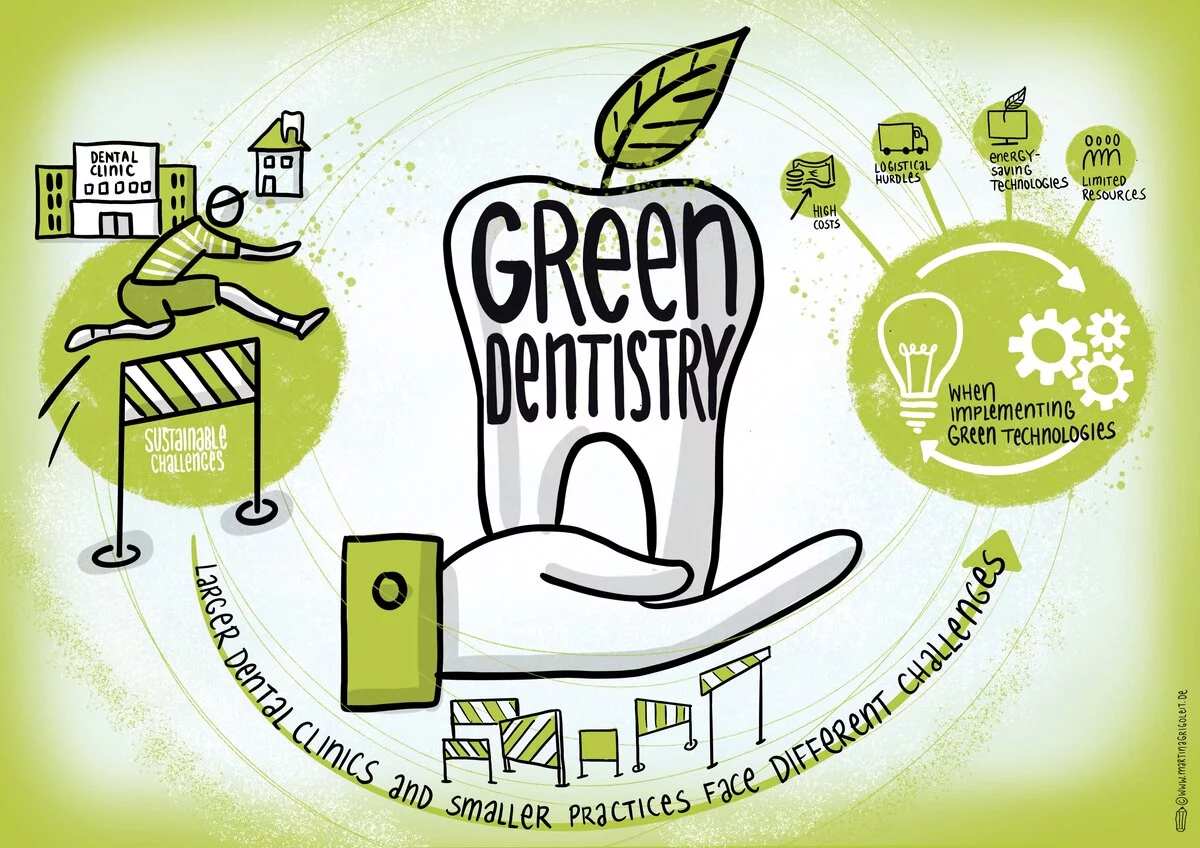
Sustainable dentistry means dental practices operate with a goal to minimize their environmental impact. This involves examining materials, energy consumption, and waste generation. Traditional dental practices can contribute to environmental problems through disposable plastics, chemical discharge, and high energy usage.
Patient awareness and demand for eco-friendly options are driving change in dental offices. Regulations are also playing a role, with some areas enacting stricter rules for dental waste disposal. Patients increasingly expect their dentists to demonstrate environmental responsibility.
Sustainable dentistry focuses on minimizing waste, conserving resources like water and energy, and using environmentally friendly materials. This approach considers the entire lifecycle of dental products and procedures. While it requires investment, the long-term benefits for the planet and the practice are clear. It's a move toward responsible oral healthcare.
Materials Matter: The Eco-Friendly Toolkit
Materials used in dentistry offer significant room for improvement. Amalgam fillings contain mercury, a neurotoxin, and their disposal poses environmental challenges. Dentists are increasingly using alternatives like composite resins and ceramic materials, which are tooth-colored and biocompatible. These alternatives can be more expensive and may not be as durable in all situations.
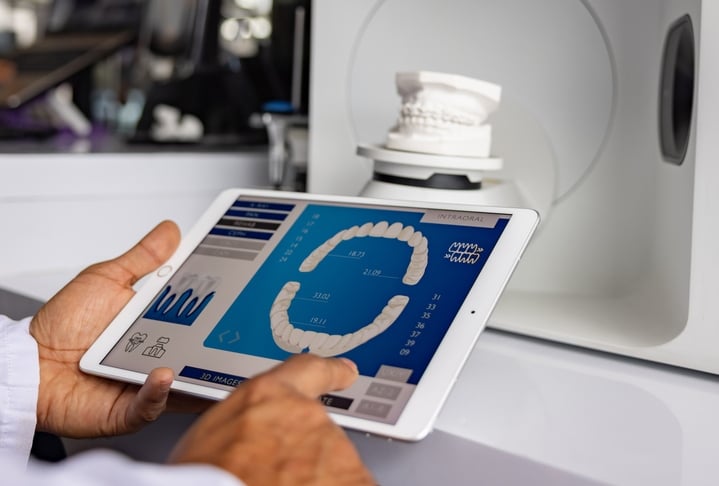
Impression materials are also changing. Traditional polyvinyl siloxane impressions create plastic waste. Biodegradable impression materials are gaining traction. Digital dentistry is also important. Intraoral scanners create digital impressions, reducing paper waste and the need for physical models. This technology is becoming more accessible, though the initial investment can be substantial.
Sourcing is a critical aspect. An "eco-friendly’ material isn’t sustainable if it"s shipped long distances. Consider the carbon footprint of transportation. Many manufacturers prioritize local sourcing and transparent supply chains, which patients should inquire about. The cost of sustainable alternatives can be higher, and patient acceptance may require education about the benefits and trade-offs. Making informed choices is key.
- Composite Resins: Tooth-colored fillings, generally biocompatible but can be more costly.
- Ceramic Fillings: Durable and aesthetically pleasing, but can be expensive.
- Biodegradable Impression Materials: Reduce plastic waste, but may have different handling properties.
- Digital Impressions: Eliminate physical models and paper waste, require initial investment in scanners.
Water & Energy: Reducing the Dental Footprint
Dental practices use a lot of water. Rinsing instruments and operating dental chairs contribute to water usage. Conserving water is possible through low-flow faucets and dental handpieces, which reduce consumption without compromising patient care. Efficient sterilization methods, like ultrasonic cleaners and vacuum autoclaves, also minimize water waste. Proper wastewater disposal, in compliance with local regulations, is essential.
Energy consumption is another key area. Switching to LED lighting reduces electricity use. Energy-efficient HVAC systems also make a difference. Some practices explore renewable energy sources, like solar panels, though feasibility varies by location and building infrastructure. Solar panel installations are likely to increase.
Staff training is also important. Educating dental teams about water and energy conservation practices can build a culture of sustainability. Turning off lights and equipment when not in use has a cumulative impact. Regular equipment maintenance ensures efficient operation, further reducing energy waste.
- Install low-flow faucets and handpieces.
- Use efficient sterilization methods (ultrasonic cleaners, vacuum autoclaves).
- Switch to LED lighting.
- Upgrade to energy-efficient HVAC systems.
- Consider renewable energy sources (solar panels).
Waste Reduction: Beyond Recycling
Recycling is important, but minimizing waste at the source is key. Practices should re-evaluate disposable supplies. Sterilization pouches generate plastic waste. Reusable sterilization pouches, requiring upfront investment and stringent cleaning, offer a more sustainable alternative.
Proper disposal of hazardous waste, such as amalgam, x-ray fixer, and lead foil, is critical. Dental practices must follow strict guidelines for handling and disposing of these materials. Companies specializing in dental waste management provide services for safe and compliant disposal. The goal is to minimize hazardous waste generation.
Maintaining infection control standards is paramount, but it doesn’t have to rely solely on single-use plastics. Innovative sterilization solutions allow for the safe reuse of certain instruments and supplies. Companies are developing sterilization technologies that reduce the need for disposable barriers and packaging. This requires a shift in thinking and investment in new technologies.
Finding a Green Dentist: What to Look For
To find a sustainable dentist, ask questions. Inquire about the materials they use for fillings, impressions, and other procedures. Do they offer alternatives to amalgam? Do they use biodegradable impression materials? What is their policy on digital versus traditional x-rays?
Ask about their waste management practices. Do they recycle? How do they dispose of hazardous waste? Do they use reusable sterilization pouches? Inquire about their water and energy conservation efforts. Do they have low-flow fixtures? Do they use LED lighting? Vague answers should raise a red flag.
Be aware that "green" certifications vary in rigor. Look for certifications from reputable organizations. Beyond certifications, look for a practice that demonstrates a genuine commitment to sustainability, not just marketing claims. An eco-conscious dentist will discuss their practices and answer questions thoroughly.
- What materials do you use for fillings and impressions?
- What is your waste management policy?
- Do you use low-flow fixtures and LED lighting?
- Are you certified by any sustainable dentistry organizations?
Certifications & Resources: Validating Claims
Sustainable dentistry certifications can be fragmented. The Eco-Dentistry Association (EDA) provides resources and certification programs for dental practices committed to sustainability. They assess a practice’s environmental impact and offer guidance for improvement. Green Dental Practices offers certification and consulting services.
Not all certifications are equal; some are more rigorous than others. Look for certifications with clear standards and transparent evaluation processes. State and local initiatives may exist, so check with your local dental society or health department. A certification is a good starting point, but doesn’t guarantee perfect sustainability.
The American Dental Association (ADA) offers resources on sustainable dentistry practices on their website. The Eco-Dentistry Association website also has helpful information. Research and asking the right questions are the best ways to find a sustainable dentist.
The Future of Green Dentistry: Trends to Watch
undefined dentistry is exciting. We're seeing the emergence of new technologies and materials that promise to further reduce the environmental impact of dental care. 3D-printed dental models, for example, can significantly reduce material waste compared to traditional plaster models. Biodegradable dental implants are also being developed, offering a more sustainable alternative to traditional titanium implants.
Teledentistry, while not directly related to materials or waste, has the potential to reduce travel emissions and improve access to care. By conducting virtual consultations and monitoring patients remotely, dentists can reduce the need for in-person visits. I think the biggest shift, however, will be a move towards preventative care. Reducing the need for invasive procedures in the first place is the most sustainable approach.
Policy and regulation will also play a crucial role. As awareness of environmental issues grows, we can expect to see more stringent regulations regarding dental waste disposal and the use of hazardous materials. Incentives for adopting sustainable practices may also be introduced. The goal is to create a dental healthcare system that is both effective and environmentally responsible. It’s a long road, but the momentum is building.
- 3D-printed dental models reducing material waste.
- Biodegradable dental implants.
- Increased use of teledentistry.
- A focus on preventative care.
- Policy changes and regulations promoting sustainability.


No comments yet. Be the first to share your thoughts!