

Beyond the Drill: Eco-Dentistry Explained
Eco-friendly dentistry, or “eco-dentistry,” minimizes the environmental impact of dental practices, from energy use to waste generated during procedures. It recognizes that dental care affects the larger ecosystem and encourages conscious choices to protect it.
Dentistry traditionally uses many resources. Water for rinsing and sterilization, disposable materials filling landfills, and energy for equipment all contribute. A 2023 PMC study highlighted the need for more sustainable dental practices globally, particularly in water and waste management.
Patients are increasingly environmentally conscious and seek businesses, including dental offices, that share their values. This demand drives dentists to adopt greener practices. Meet My Dentist sees more people searching for "eco-friendly’ or ‘sustainable" dentists.
Water Conservation: A Major Focus
Dental offices use a significant amount of water. A typical practice can use up to 60 gallons per patient daily, totaling tens of thousands of gallons annually. Most water is used for rinsing during procedures, sterilizing instruments, and operating dental chairs. This is a major area for improvement.
Technologies and practices can reduce water consumption. Dry vacuum systems minimize water for suction, and ultrasonic scalers use vibrations instead of water jets for cleaning. High-efficiency sterilization equipment also helps. While initial costs can be higher, long-term financial and environmental savings are substantial.
Behavioral changes also help. Dentists and hygienists can be mindful of water flow, turning off taps when not in use. Water-saving protocols during procedures contribute. Reducing water usage lowers utility bills and shows commitment to responsible resource management.
Traditional vs. Eco-Friendly Dental Equipment: A Comparison
| Feature | Traditional Dental Practice | Eco-Friendly Alternative | Considerations |
|---|---|---|---|
| Water Usage | Generally High | Significantly Lower | Eco-friendly options prioritize water conservation. |
| Noise Level | Typically Louder | Often Quieter | Reduced noise creates a more comfortable patient experience. |
| Initial Cost | Often Lower | Potentially Higher | Eco-friendly equipment may have a larger upfront investment. |
| Effectiveness | Well-Established | Comparable, with Ongoing Improvements | Modern eco-friendly tools are designed to maintain treatment quality. |
| Waste Generation | Higher - Single Use Plastics | Lower - Focus on Sterilization & Reduced Disposables | Eco-friendly practices aim to minimize disposable materials. |
| Air Quality | Can Contribute to Aerosol Spread | Improved with Dry Vacuum Systems | Dry vacuum systems reduce water spray and aerosol production. |
| Energy Consumption | Standard | Potential for Reduced Consumption | Some eco-friendly equipment is designed for greater energy efficiency. |
Qualitative comparison based on the article research brief. Confirm current product details in the official docs before making implementation choices.
Reducing Waste: From Amalgam to Alternatives
Dental waste is a complex issue. Amalgam fillings, containing mercury, are an environmental concern. Single-use plastics, from gloves and suction tips to impression trays, add to landfill waste. Traditional x-rays involve hazardous chemicals.
Amalgam fillings are being replaced by composite resins and glass ionomers. Composite fillings are tooth-colored and mercury-free but may be less durable than amalgam in some situations and require precise placement. Dentists and patients should discuss this trade-off.
Minimizing plastic use is another focus. Digital x-rays eliminate film and developing chemicals. Reusable sterilization pouches, autoclavable impression trays, and biodegradable cups are options. Responsible disposal of hazardous waste, like amalgam and lead foil, is critical. Eliminating all waste is challenging, but small steps help. Proper waste segregation and recycling programs are essential.
- Composite Fillings: Tooth-colored, mercury-free, but potentially less durable.
- Glass Ionomers: Release fluoride, good for small fillings, but less wear-resistant.
- Digital X-rays: Eliminate film and developing chemicals.
Featured Products

Made with sustainable bamboo handles · Plant-based bristles · Individually sealed for hygiene
This bulk pack of bamboo toothbrushes provides a biodegradable and plastic-free option for daily oral hygiene.

Biodegradable natural silk floss · Refillable glass container · Compostable 3-pack
This silk floss and refillable container system significantly cuts down on single-use plastic typically associated with dental floss.

Fluoride-free formula · Contains nano hydroxyapatite for remineralization · Suitable for sensitive teeth
This toothpaste offers an alternative to traditional fluoride formulations, utilizing nano hydroxyapatite for enamel support.

Alcohol-free and fluoride-free · Contains nano hydroxyapatite · Plastic-free and travel-friendly tablets
These innovative mouthwash tablets eliminate the need for plastic bottles and offer a convenient, eco-conscious way to freshen breath and support oral health.
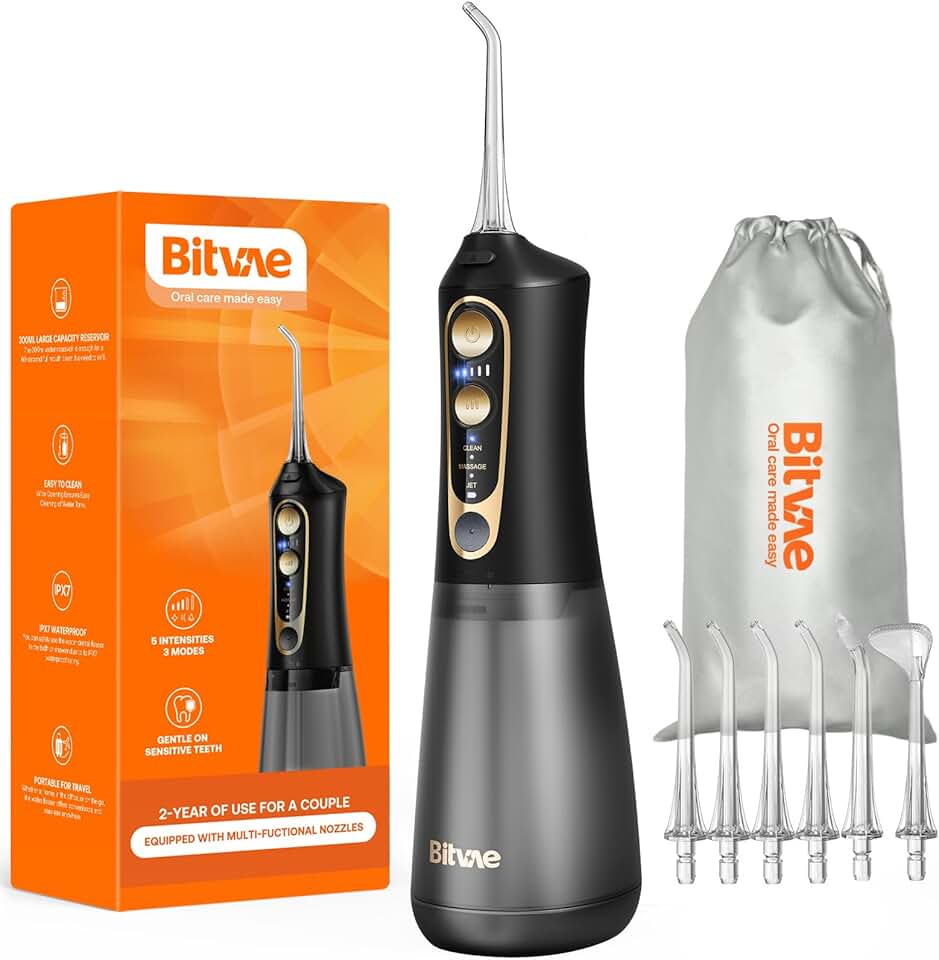
Cordless and portable design · IPX7 waterproof · 3 modes and 5 intensities
While not strictly a consumable eco-product, a reusable water flosser reduces waste from disposable floss picks and single-use dental items.
As an Amazon Associate I earn from qualifying purchases. Prices may vary.
Digital Dentistry: Less Waste, More Efficiency
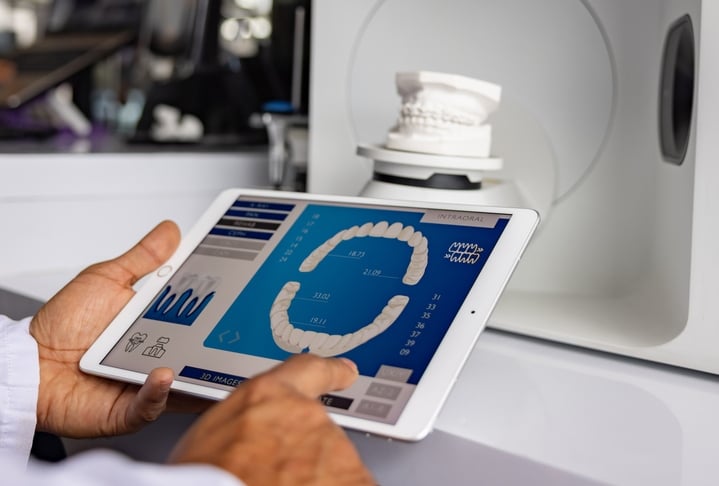
Digital dentistry improves sustainability. Digital x-rays eliminate film, developing chemicals, and waste. Intraoral scanners create digital impressions, replacing messy and often inaccurate impression materials. This improves on the traditional putty-in-your-mouth experience.
Computer-aided design/manufacturing (CAD/CAM) systems allow dentists to design and create restorations – crowns, bridges, veneers – in-house. This reduces the need to send impressions to an outside lab and minimizes material waste. These systems improve accuracy and efficiency, leading to better patient outcomes and a smaller environmental footprint.
Investing in digital dentistry can be significant, ranging from several thousand to tens of thousands of dollars. However, the long-term benefits – reduced waste, improved accuracy, increased efficiency, and enhanced patient experience – often outweigh the initial cost. Digital dentistry is the future of sustainable dentistry.
Sustainable Materials: What’s in Your Filling?
Sustainability extends beyond fillings and x-rays. Materials used to build and furnish a dental office also matter. Choosing flooring from recycled materials, furniture from sustainably sourced wood, and cleaning products with low volatile organic compound (VOC) levels contributes to a healthier environment.
VOCs are chemicals released from certain materials that can cause indoor air pollution and negative health effects. Look for products with Greenguard certification, which indicates they meet strict standards for low chemical emissions. This is important in a confined space like a dental office.
Small choices, like using reusable water bottles and coffee cups, make a difference. Creating a culture of sustainability within the practice demonstrates commitment to environmental responsibility. This is a holistic approach, considering the entire lifecycle of office materials.
Finding a Green Dentist: Questions to Ask
To find a dentist who prioritizes sustainability, ask questions. Inquire about their water conservation practices. Do they use dry vacuum systems or ultrasonic scalers? What sterilization methods do they employ?
Ask about their waste management policies. Do they recycle? Do they use digital x-rays? How do they dispose of amalgam and other hazardous waste? Inquire about the materials they use. Do they offer composite fillings as an alternative to amalgam? Do they prioritize sustainable materials for office furnishings and cleaning products?
Resources like the Eco-Dentistry Association can provide information and a directory of eco-friendly dentists. Meet My Dentist's search filters can also find dentists committed to sustainable practices. Research is key to finding a practice that aligns with your values.
- Water Conservation: What systems are in place to reduce water usage?
- Waste Management: How does the office handle recycling and hazardous waste?
- Material Choices: What types of fillings and office materials are used?
- Digital Dentistry: Does the office utilize digital x-rays and intraoral scanners?
The Future of Eco-Dentistry: What’s on the Horizon?
undefined of dental care.
Government regulations and industry initiatives are also playing a role in promoting sustainability. Increased awareness and consumer demand are driving the adoption of greener practices. Dental schools are beginning to incorporate sustainability into their curriculum, educating the next generation of dentists about the importance of environmental responsibility.
The future of eco-dentistry is bright. While challenges remain – cost, accessibility, and the need for further research – the momentum is building. It’s a collaborative effort, involving dentists, patients, researchers, and policymakers, all working towards a more sustainable and healthy future for oral healthcare. It's not just about teeth anymore; it’s about the planet.

No comments yet. Be the first to share your thoughts!