

Virtual Dental Visits: A 2026 Snapshot
Telehealth dentistry is changing how people access dental care. It's not about replacing your dentist, but about expanding how and when you can get advice and preliminary assessments. In 2026, virtual dental consultations will be a more integrated part of overall dental care, driven by patient demand for convenience and increased access, especially for those in rural areas or with limited mobility. This trend began accelerating in recent years and continues to gain momentum.
The rise of telehealth isn't just about convenience; it addresses real gaps in access to dental care. Virtual consultations often have lower fees than in-office visits. Telehealth isn’t a complete substitute for traditional care, and certain treatments will always require an in-person visit. You can find helpful resources about telehealth at telehealth.hhs.gov.
This article covers what virtual dental care looks like today and what to expect in the coming years. We'll cover available services, how to find a dentist offering telehealth, the technology involved, costs, and legal considerations. Staying informed is important for making the best decisions about your oral health.
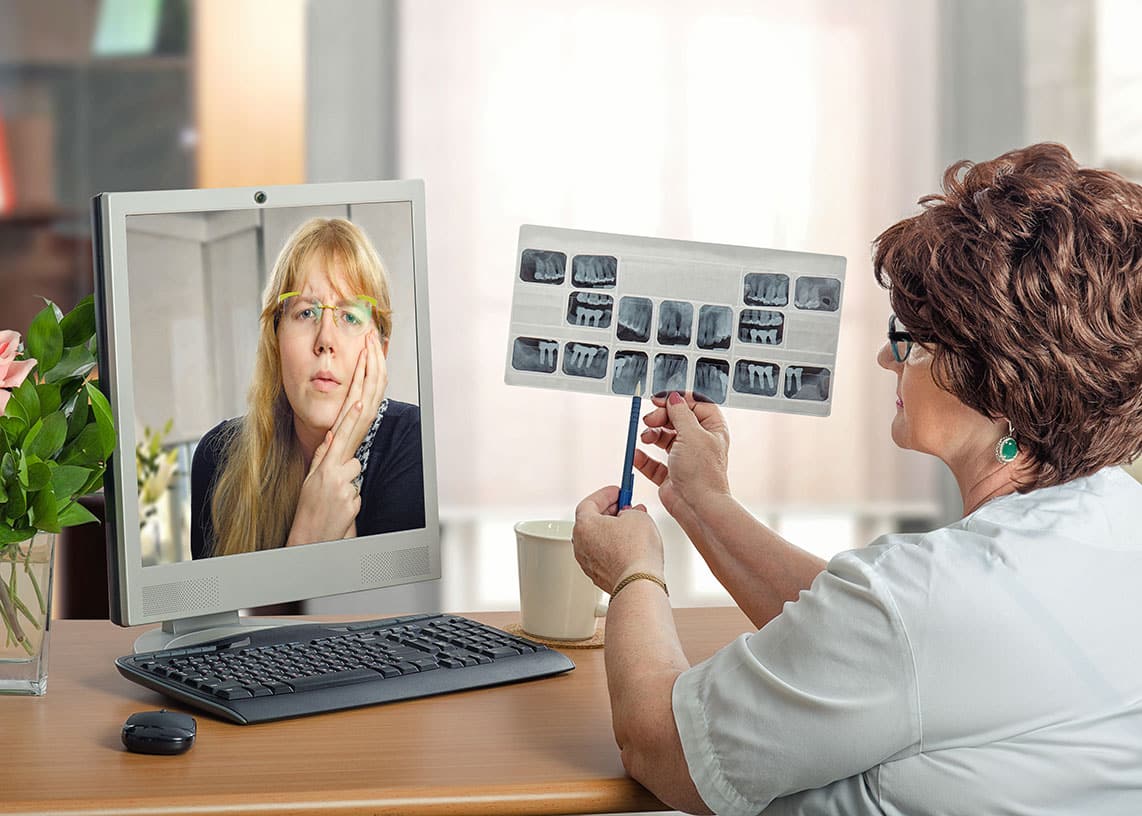
What Can Telehealth Dentistry Actually Do?
Telehealth dentistry offers a range of services, though its limitations are important to understand. Dentists can effectively conduct remote consultations for evaluating a toothache, assessing a chipped tooth, or advising on minor oral health concerns. They can also provide post-operative check-ins – making sure a filling isn’t causing issues or monitoring healing after a procedure.
Oral health education is a component of virtual care. Dentists can use video conferencing to demonstrate proper brushing and flossing techniques, explain oral hygiene products, and offer personalized advice. Triage for dental emergencies is another application. A virtual consultation can help determine if a situation requires immediate in-person attention or if it can be managed with home care and a follow-up appointment.
Telehealth cannot do a comprehensive dental exam, including a thorough assessment of your gums, teeth, and overall oral health, which requires an in-person visit. Procedures like fillings, cleanings, root canals, and extractions cannot be performed remotely. Telehealth is best used as a supplement to, not a replacement for, regular in-person dental checkups. It's a first step, or a way to stay connected between appointments.
- Remote consultations for preliminary assessments
- Post-operative check-ins
- Oral health education and personalized advice
- Triage for dental emergencies
- Monitoring of ongoing conditions (with in-person follow-ups)
Finding a Dentist Offering Virtual Care
Locating a dentist who offers telehealth services is becoming easier, but it requires some research. Meet My Dentist is a starting point. Their platform allows you to search for dentists in your area and filter by services offered, including virtual consultations. This can narrow down your options and save you time.
Once you’ve found a potential dentist, verify their credentials. Ensure they are licensed to practice dentistry in your state. Most state dental boards have online tools to verify a dentist’s license and disciplinary history. Look for dentists who have completed specific training or certifications in teledentistry, though these are still uncommon.
Ask the dentist directly about their telehealth experience and the technology they use. A reputable dentist will answer your questions and explain how virtual consultations work in their practice. Check online reviews and ask for recommendations from friends or family.
The Technology Behind the Screen
The technology powering telehealth dentistry is straightforward, but it's evolving. It relies on secure video conferencing platforms that allow for real-time communication between the dentist and patient. Many dentists use HIPAA-compliant platforms, ensuring the privacy and security of your personal health information.
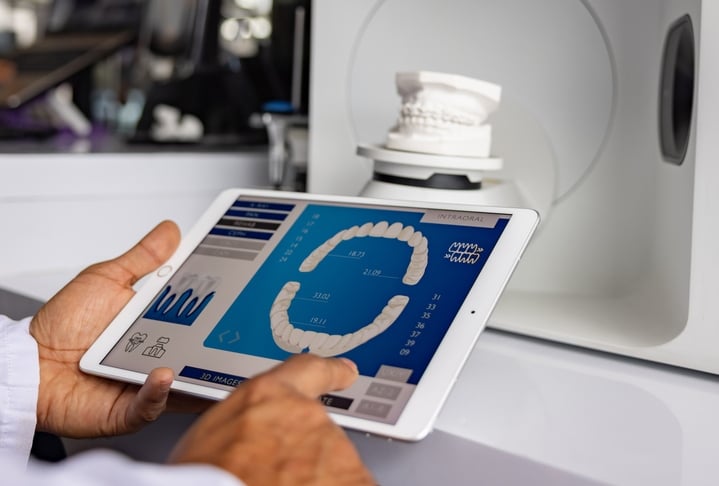
Intraoral cameras are becoming popular. Patients can use these small cameras at home to give the dentist a closer look inside their mouth. This is helpful for evaluating a specific tooth or area of concern. Digital x-ray sharing is another component. Dentists can securely receive and review x-rays taken at another facility.
Data security is paramount. Dentists must adhere to strict HIPAA regulations to protect patient information. Most telehealth platforms employ encryption and other security measures to safeguard your data. The patient experience is designed to be user-friendly. Most platforms are accessible via computer, tablet, or smartphone.
- Secure video conferencing platforms (HIPAA compliant)
- Intraoral cameras for at-home examination
- Digital x-ray sharing
- Secure messaging portals
Cost & Insurance Coverage
The cost of a telehealth dental consultation varies depending on the dentist and services. Virtual consultations are less expensive than in-office visits. You might pay $50 to $150 for a standard consultation, but this is an estimate. Confirm the fee with the dentist beforehand.
Insurance coverage for telehealth dental services is improving, but not universal. Many dental insurance plans cover virtual consultations, particularly for routine check-ins and triage. Coverage varies depending on your plan and state regulations. Plans like Delta Dental and Cigna offer more comprehensive telehealth benefits.
Check with your insurance provider to understand your coverage. Be prepared to pay out-of-pocket for some services, even if your insurance covers telehealth. Cost savings from reduced travel time and fewer in-office visits can make telehealth a financially attractive option.
Legal & Regulatory Landscape
The legal and regulatory environment surrounding telehealth dentistry is complex and evolving. Each state has its own rules and regulations regarding the practice of dentistry via telehealth. These regulations address licensing, scope of practice, and patient privacy.
Dentists must be licensed in the state where the patient is located to provide telehealth services. Some states have specific teledentistry permits or certifications. The Department of Health and Human Services (HHS) provides guidance and resources on telehealth regulations at telehealth.hhs.gov.
Greater standardization of telehealth regulations across states is anticipated. However, some variations will likely remain. Staying informed about the regulations in your state is crucial for patients and dentists. This is a rapidly changing area, so regular updates are essential.
Potential Risks & Limitations
Telehealth dentistry offers benefits, but its limitations are important to acknowledge. Diagnosis can be more challenging when a dentist cannot physically examine your mouth. The inability to perform hands-on treatment is a drawback. Telehealth is not suitable for all dental conditions.
undefineds crucial to have a backup plan in case of technical difficulties.
Telehealth is not a replacement for regular in-person dental care. It’s a valuable tool for certain situations, but it should not be used to avoid or delay necessary in-office visits. Maintaining a relationship with a trusted, local dentist is still essential for optimal oral health.
Future Trends in Virtual Dental Care
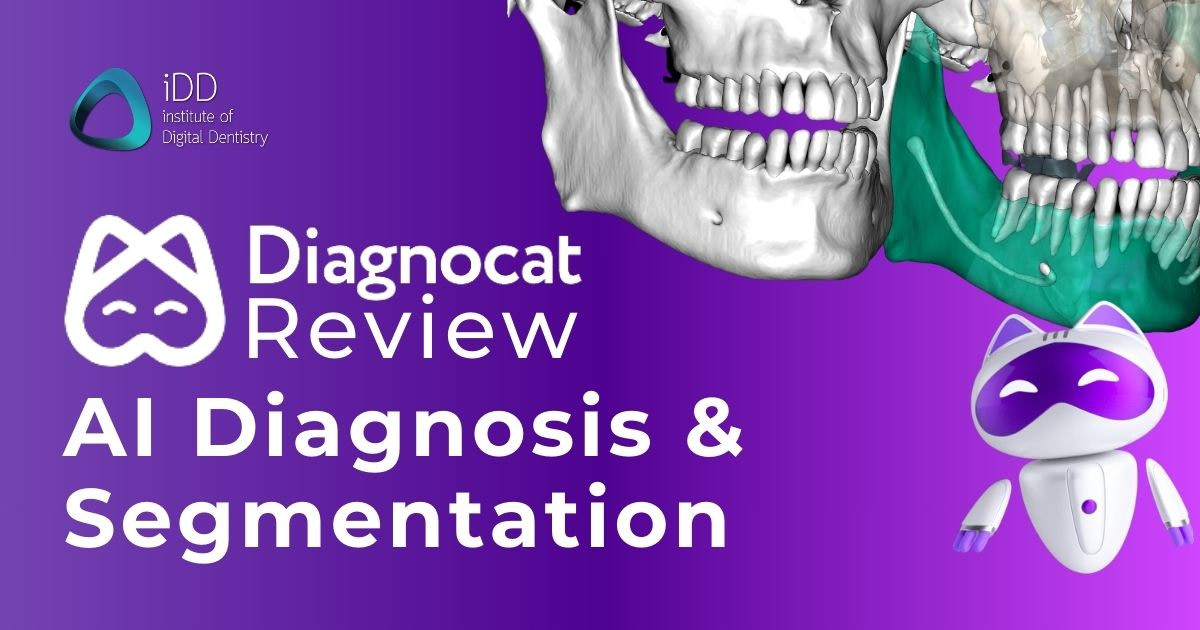
The future of telehealth dentistry is promising, with several exciting advancements on the horizon. We can expect to see increased integration of artificial intelligence (AI) in diagnostic tools. AI-powered image analysis could help dentists more accurately assess dental x-rays and identify potential problems remotely.
Remote monitoring devices, such as wearable sensors that track oral hygiene habits, could become more common. These devices could provide dentists with valuable data to personalize treatment plans. Increased integration with other healthcare services is also likely. Telehealth dentistry could become part of a broader virtual care ecosystem.
Wider adoption of telehealth is expected as technology improves and regulations become more standardized. More insurance plans are likely to cover virtual dental consultations, making them more accessible to patients. While it won’t replace traditional care, telehealth will undoubtedly become an increasingly important part of the dental landscape.
- AI-powered diagnostic tools
- Remote monitoring devices for oral hygiene
- Integration with broader virtual care ecosystems
- Increased insurance coverage

No comments yet. Be the first to share your thoughts!