
The rise of AI in dental exams
Dental technology is changing rapidly, and artificial intelligence is at the forefront of that shift. It’s not a distant future promise anymore; AI-powered diagnostics are already moving from research labs into dental practices. For years, dental exams have relied heavily on the dentist’s skill and experience, coupled with tools like X-rays. While effective, these methods aren’t immune to human error or subjective interpretation.
Traditional X-ray analysis, for example, can be influenced by the technician's positioning and the dentist’s individual assessment. AI aims to provide a more consistent and objective analysis. This doesn’t mean replacing dentists, though. It means giving them a powerful assistant, capable of spotting subtle indicators that might be missed by the human eye.
The potential benefits are significant: earlier detection of diseases, more accurate diagnoses, and ultimately, better patient outcomes. I think we’re at a fascinating point where technology can truly augment the expertise of dental professionals. The goal isn't to automate dentistry, but to elevate it. It’s about providing dentists with the best possible tools to deliver quality dental care.
What AI actually finds
AI in dentistry isn’t a one-size-fits-all solution. It excels at specific tasks, and its capabilities are constantly expanding. Currently, a major focus is on detecting cavities. Early detection is absolutely critical for preventing more serious issues, and AI algorithms can identify subtle signs of decay that might be invisible to the naked eye.
Beyond cavities, AI is proving valuable in identifying periodontal disease, commonly known as gum disease. This involves analyzing X-rays for bone loss and detecting inflammation. The National Institutes of Health has been researching AI's ability to analyze dental images, demonstrating promising results in identifying areas of concern. Another important application is oral cancer screening. AI can analyze images of the mouth to identify suspicious lesions or abnormalities.
AI has limits. A 2023 study on PubMed showed that while algorithms are great at spotting issues, they struggle to tell the difference between specific types of lesions. You still need a dentist to look at the results and make the final call. The software is an assistant, not a replacement for clinical judgment.
- AI identifies early tooth decay that might not show up clearly on a standard film.
- Periodontal Disease Screening: Detects bone loss and inflammation related to gum disease.
- Oral Cancer Screening: Analyzes images of the mouth for suspicious lesions.
- Bone Loss Assessment: Measures bone density in X-rays to assess overall oral health.
AI vs. Dentist Accuracy in Dental Diagnostics (Based on Preliminary Studies)
| Condition | AI Accuracy | Dentist Accuracy | Source (PMC Study) |
|---|---|---|---|
| Early-Stage Cavities | Potentially comparable to dentists in identifying certain cavities, though performance varies based on AI model and image quality. | Generally high, but can be influenced by factors like access to X-rays and dentist experience. | Artificial Intelligence: A New Diagnostic Software in Dentistry: A Preliminary Performance Diagnostic Study - PMC |
| Periodontal Disease | Demonstrates promise in assisting with the detection of periodontal disease indicators, but requires further validation. | Clinical examination and radiographic analysis are standard, with accuracy dependent on the severity and stage of the disease. | Artificial Intelligence: A New Diagnostic Software in Dentistry: A Preliminary Performance Diagnostic Study - PMC |
| Oral Cancer | AI shows potential for identifying suspicious lesions, but is not intended to replace thorough clinical examination. | Accuracy relies heavily on the dentist's experience, visual inspection skills, and use of adjunctive diagnostic tools (biopsy). | Artificial Intelligence: A New Diagnostic Software in Dentistry: A Preliminary Performance Diagnostic Study - PMC |
| Periapical Lesions | AI models have shown sensitivity in detecting periapical lesions on radiographs. | Dentist accuracy is dependent on radiographic interpretation skills and experience. | Artificial Intelligence: A New Diagnostic Software in Dentistry: A Preliminary Performance Diagnostic Study - PMC |
| Root Canal Morphology | AI can assist in visualizing complex root canal systems. | Dentist accuracy is based on experience and quality of radiographic images. | Artificial Intelligence: A New Diagnostic Software in Dentistry: A Preliminary Performance Diagnostic Study - PMC |
Illustrative comparison based on the article research brief. Verify current pricing, limits, and product details in the official docs before relying on it.
How the software works
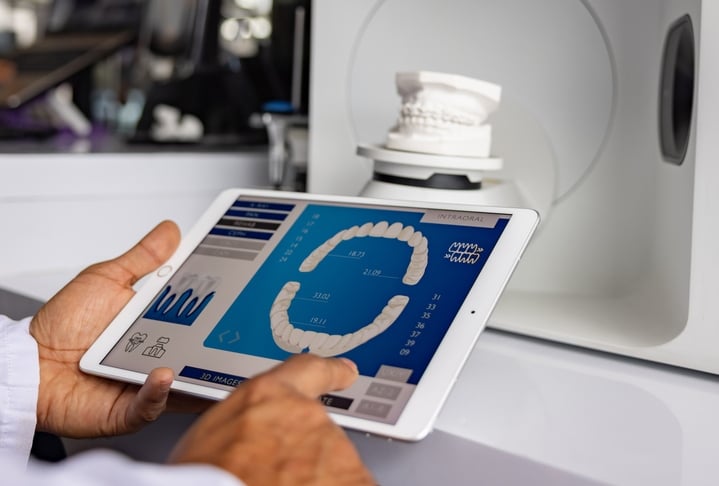
The core of AI dental diagnostics lies in machine learning, specifically a subset called image recognition. Essentially, these systems are trained on massive datasets of dental images – thousands upon thousands of X-rays, photographs, and scans. The AI learns to recognize patterns and identify anomalies associated with different dental conditions.
This training process is crucial. The quality and diversity of the data directly impact the accuracy of the AI. If the data is biased – for example, if it primarily includes images from one demographic group – the AI may not perform as well on patients from other groups. Data quality is paramount.
It's not 'magic,' it's sophisticated pattern recognition. The AI doesn’t "understand" what a cavity is in the same way a dentist does. It simply identifies visual features that are statistically associated with cavities, based on the data it was trained on. The more data, and the better the data, the more accurate the AI becomes.
Finding an AI-equipped dentist
That’s where Meet My Dentist comes in. We understand that patients are increasingly interested in receiving care from dentists who are utilizing the latest technology, including AI diagnostics. Our platform is evolving to make it easier for you to find dentists in your area who are embracing these advancements.
We’re developing new search filters and indicators to help you identify AI-equipped practices. You’ll be able to specifically search for dentists who offer AI-powered diagnostics, and we plan to use a badge or other visual cue to highlight these practices in our search results. We want to make it as simple as possible to find the best dentist for your needs.
Our goal is to empower you to make informed decisions about your dental care. It shouldn’t be more difficult to find a dentist using AI than one who isn’t. We believe that access to advanced technology should be readily available to all patients. We are working hard to make that a reality.
- Use our advanced search filters: Look for options related to 'AI Diagnostics' or 'Advanced Technology'.
- Look for badges: We’ll be displaying a badge on profiles of dentists who utilize AI diagnostics.
- Read dentist profiles: Many dentists will highlight their use of AI technology in their practice descriptions.
Cost and insurance
The question of cost is a valid one. Will incorporating AI diagnostics into a dental exam increase your bill? Initially, it’s likely that AI-powered diagnostics will be offered as a premium service, potentially adding to the cost of a standard checkup. However, as the technology becomes more widespread and competition increases, we can expect prices to come down.
The issue of insurance coverage is a bit more complex. Currently, it's unclear how many insurance providers will cover AI-powered diagnostics. This is a rapidly evolving area, and coverage policies are likely to vary widely. It’s best to check with your insurance provider directly to see if they offer coverage for these services.
When you contact your insurance, be specific. Ask if they cover "AI-assisted dental diagnostics’ or ‘computer-aided dental analysis.’ Don"t assume that standard X-ray coverage automatically includes AI analysis. This is a new field, and insurance companies are still catching up.
- Check with your insurance provider: Inquire about coverage for 'AI-assisted dental diagnostics'.
- Ask your dentist: They may be able to provide information about typical costs and insurance acceptance.
- Consider the long-term benefits: Early detection can prevent more costly treatments down the road.
Common AI tools in clinics
A few specific platforms lead the market right now. Each has a different focus, whether it's spotting tiny cavities or helping with insurance paperwork.
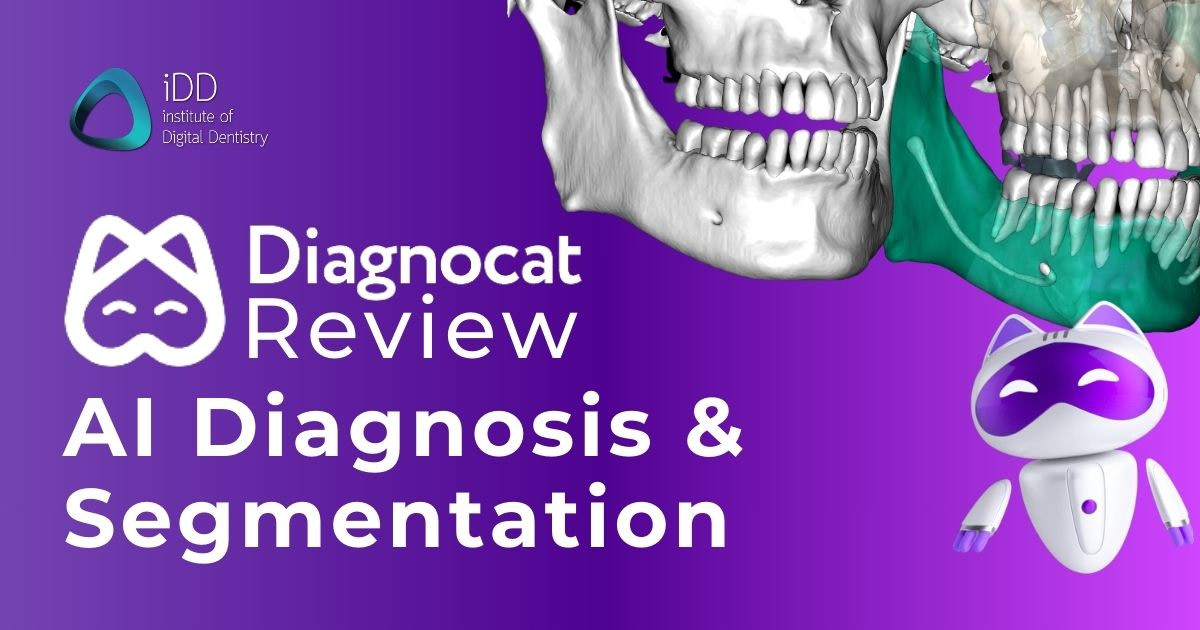
One example is Diagnocat, a software that uses AI to automatically detect and analyze dental anomalies in X-rays. It can identify cavities, periodontal disease, and other common dental problems. Another tool is Pearl, which provides AI-powered second opinions on dental X-rays. It’s designed to help dentists confirm their diagnoses and reduce the risk of missed detections.
Overjet is another popular option, focusing on AI-powered claim reviews and detection of clinical findings in dental X-rays. And finally, VideaHealth uses AI to analyze dental X-rays and provide dentists with comprehensive reports, including measurements of bone loss and cavity size. These are just a few examples, and the market is constantly evolving.
- Diagnocat automatically flags anomalies like bone loss or hidden decay in X-rays.
- Pearl: AI second opinions on dental X-rays to confirm diagnoses.
- Overjet: AI-powered claim reviews and clinical finding detection.
- VideaHealth: Comprehensive X-ray reports with measurements and analysis.
Advanced Dental Hygiene Tools to Complement AI Diagnostics

Smart pressure sensor · AI-powered tracking with 16 zones · Interactive color display
This advanced electric toothbrush uses AI to track your brushing in real-time, ensuring comprehensive coverage and optimal pressure for a superior clean.

App connectivity with real-time guidance · SenseIQ technology to adapt to your brushing · Five brushing modes and three intensity settings
The Philips Sonicare DiamondClean Smart offers personalized coaching through its app and smart sensors, helping you achieve a healthier smile with every brush.

10 pressure settings for customized cleaning · 360-degree pressure tip · Includes 7 tips for various needs
This water flosser provides a thorough clean for teeth and gums, reaching areas traditional brushing may miss, and is an excellent complement to advanced diagnostics.

Bluetooth connectivity to Quip app · Smart sensors track coverage, duration, and pressure · Built-in timer with 2-minute guide
The Quip Smart Sonic Toothbrush offers Bluetooth connectivity to track your brushing habits and provides guidance for effective oral hygiene, aligning with modern diagnostic approaches.
As an Amazon Associate I earn from qualifying purchases. Prices may vary.


No comments yet. Be the first to share your thoughts!