

Virtual Dental Visits: A New Reality
Telehealth dentistry, or virtual dental care, offers a new way to access dental services. It uses technology for remote assessments, consultations, and follow-ups. Though not entirely new, its growth has accelerated recently, providing a convenient alternative to in-office visits. For more information, see telehealth.hhs.gov.
Virtual dental care isn't meant to replace in-person checkups and treatments. It extends care, addressing certain dental needs without always requiring a physical visit. This helps those facing barriers to traditional care, such as living in rural areas with limited dentist access or having mobility issues.
Convenience is the main appeal. It saves time, reduces travel costs, and can be more comfortable for patients anxious about dental visits. Virtual consultations help with initial assessments, post-operative follow-ups, and simple oral health questions. The scope of telehealth dentistry is still evolving, so realistic expectations are important.
What Can a Virtual Dental Checkup Actually Do?
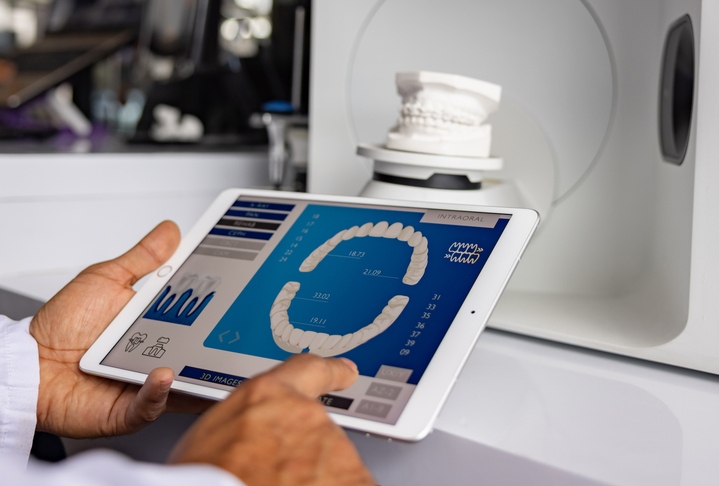
Telehealth dentistry offers a range of services, though it's not a complete replacement for in-office care. A virtual consultation can evaluate issues like swelling, pain, broken teeth, or mouth sores. A dentist can visually assess the situation via video call and offer initial guidance.
Post-operative check-ins are common. Dentists monitor healing progress after procedures, answer questions, and address concerns without an office visit. They can also review securely sent X-rays, offering a professional opinion without patient travel. It also helps with quick questions about oral hygiene and brushing techniques.
Understand the limitations: telehealth dentistry cannot perform cleanings, fillings, root canals, or any procedure requiring physical intervention. It's a diagnostic and consultative tool, not a replacement for hands-on treatment. Managing expectations is key to a positive experience.
- Preliminary evaluation of dental issues
- Post-operative check-ins
- Review of X-rays (securely sent)
- Oral hygiene guidance
- Emergency triage
Is Telehealth Right For You?
- Reliable Internet Access - A stable internet connection is crucial for a clear video consultation.
- Video Conferencing Comfort - Are you comfortable using platforms like Zoom or similar for a medical consultation?
- Non-Emergency Issue - Telehealth is best suited for non-urgent dental concerns; emergencies require in-person care.
- Diagnostic Focus - Is your primary need a diagnosis of a visible issue, or a second opinion?
- Suitable Issue Type - Common telehealth applications include evaluating cavities, gum health, and post-treatment check-ins.
- Privacy Considerations - Ensure the platform used is HIPAA compliant to protect your personal health information.
- State Regulations - Be aware that telehealth regulations for dentistry vary by state.
Emergency Dentistry & Teledentistry: A Safety Net
When a dental emergency strikes, telehealth can be a first step. A virtual consultation lets a dentist quickly assess the situation and determine the next steps. This helps decide if an immediate trip to the emergency room is necessary or if an in-office appointment can be scheduled promptly.
Do not delay seeking care for serious dental issues, even if a virtual consultation suggests it’s not an immediate emergency. A dentist can guide pain management and advise on protecting the affected area while waiting for an appointment. This helps those unsure about their condition's severity.
Telehealth in emergency dentistry acts as a triage tool. It quickly assesses the situation and guides patients to the most appropriate care. It doesn’t replace hands-on treatment but can prevent unnecessary ER visits and ensure timely attention.
Navigating the Tech: What to Expect During Your Visit
The technology for a telehealth dental appointment is simple. Most appointments use a smartphone, tablet, or computer with a webcam and reliable internet. The dentist’s office will provide instructions for any necessary software or secure video conferencing platform.
Scheduling is usually done online or by phone, like a traditional dental visit. During the video call, the dentist will ask about your concerns and may ask you to move the camera for a visual examination. Secure information sharing is paramount. Dentists use HIPAA-compliant platforms to protect your privacy.
Before your appointment, have your insurance information, a list of medications, and a clear description of your dental concerns ready. Ensure good lighting and a quiet environment for the consultation. The goal is a smooth and comfortable process.
Cost & Insurance: Does My Plan Cover Virtual Care?
The cost of a telehealth dental consultation varies depending on your insurance plan and the dentist’s fees. Coverage is evolving; telehealth visits may be billed the same as in-office consultations, or have a separate copay.
There's no one-size-fits-all answer. Determine your coverage by contacting your insurance provider directly. Ask if they cover telehealth dental services and what your out-of-pocket costs might be. Some dentists offer cash prices for virtual consultations, a viable option if you lack insurance or your plan doesn’t cover telehealth.
Ask about costs upfront before scheduling. Transparency is essential; understanding the financial implications helps you make an informed decision.
- Contact your insurance provider.
- Ask about coverage for telehealth dental services.
- Inquire about out-of-pocket costs.
- Ask the dentist about cash prices.
Finding a Dentist Offering Virtual Consultations
Finding a dentist who offers telehealth services is easier than ever. Meet My Dentist is a resource for finding verified dentists in your area. The platform allows search filters to identify dentists who provide virtual consultations. You can also read patient reviews to help you make an informed decision.
Meet My Dentist provides access to a network of qualified professionals, ensuring quality care. Dentist credentials are verified, and a user-friendly interface allows searching and comparing options. It removes the guesswork from finding the right dentist.
Beyond Meet My Dentist, your state dental association may also have a directory of dentists offering telehealth services. Don’t be afraid to reach out to your current dentist and ask if they’ve expanded their services to include virtual consultations.
The Future of Virtual Dental Care
The future of telehealth dentistry is brimming with potential. We're already seeing advancements in remote monitoring technologies, such as sensors that can track oral health metrics like plaque buildup or gum inflammation. These tools could allow dentists to remotely monitor patients’ conditions and intervene proactively.
Artificial intelligence (AI) is also poised to play a significant role. AI-powered diagnostic tools could assist dentists in analyzing X-rays and identifying potential problems with greater accuracy. The integration of virtual reality (VR) could even create immersive experiences for patient education and treatment planning.
However, challenges remain. Ensuring equitable access to technology is crucial, as not everyone has reliable internet access or the necessary devices. Addressing these disparities will be essential to realizing the full potential of telehealth dentistry. But the direction is clear: virtual care is here to stay and will continue to evolve.
Security & Privacy: Protecting Your Dental Data
Data security and privacy are paramount concerns when it comes to telehealth dentistry. Reputable telehealth platforms are fully HIPAA compliant, meaning they adhere to strict regulations designed to protect your personal health information. This includes using encryption to secure your data during transmission and storage.
Secure video conferencing solutions are also essential. These platforms employ robust security measures to prevent unauthorized access to your video consultations. It's important to be cautious about using non-compliant platforms, as they may not adequately protect your privacy.
Before participating in a telehealth consultation, ask your dentist about the security measures they have in place. A trustworthy provider will be transparent about their data protection practices and reassure you that your information is safe.

No comments yet. Be the first to share your thoughts!