

The environmental cost of a checkup
We often think about reducing our environmental impact in our daily lives – recycling, conserving water, reducing energy consumption. But what about our healthcare choices? Dental care, while essential, carries a surprisingly large environmental footprint. Traditionally, dental practices generate a significant amount of waste, much of it single-use plastics like gloves, suction device tips, and packaging for instruments.
The sheer volume is staggering. A single dental visit can easily produce several pounds of waste. Consider the disposable barriers used to prevent cross-contamination, the paper cups, and the packaging for sterilized tools. Beyond waste, dental offices consume considerable amounts of water for rinsing and sterilization, and energy to power equipment and maintain comfortable temperatures.
Amalgam fillings contain mercury, which requires strict disposal protocols to prevent groundwater contamination. Beyond hazardous materials, the sheer volume of paper cups and plastic barriers adds up. Public health and environmental health are linked; we can't have one without the other.
It's not about assigning blame, but about recognizing the impact. As awareness grows, both dentists and patients are seeking ways to minimize the environmental consequences of dental care. It's a shift towards more responsible and sustainable practices, and it's a change I believe is long overdue.
Defining green dentistry
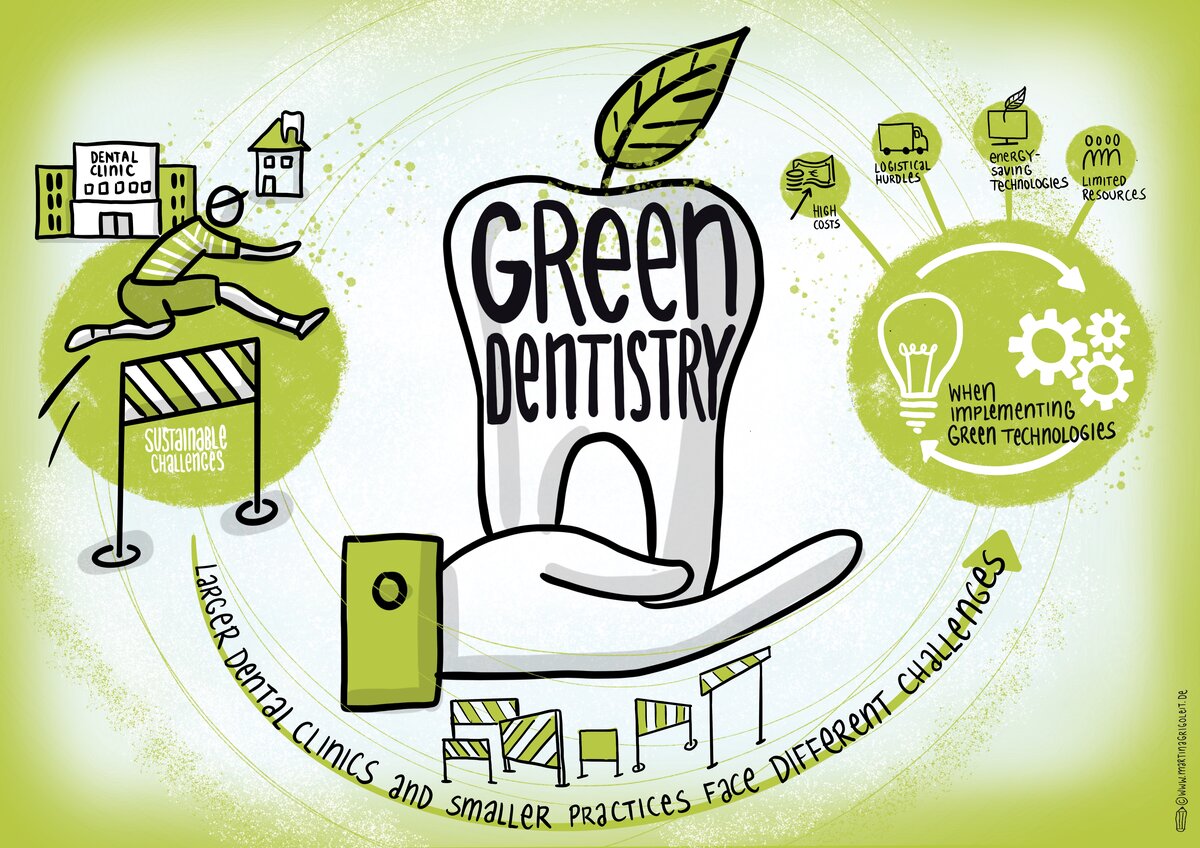
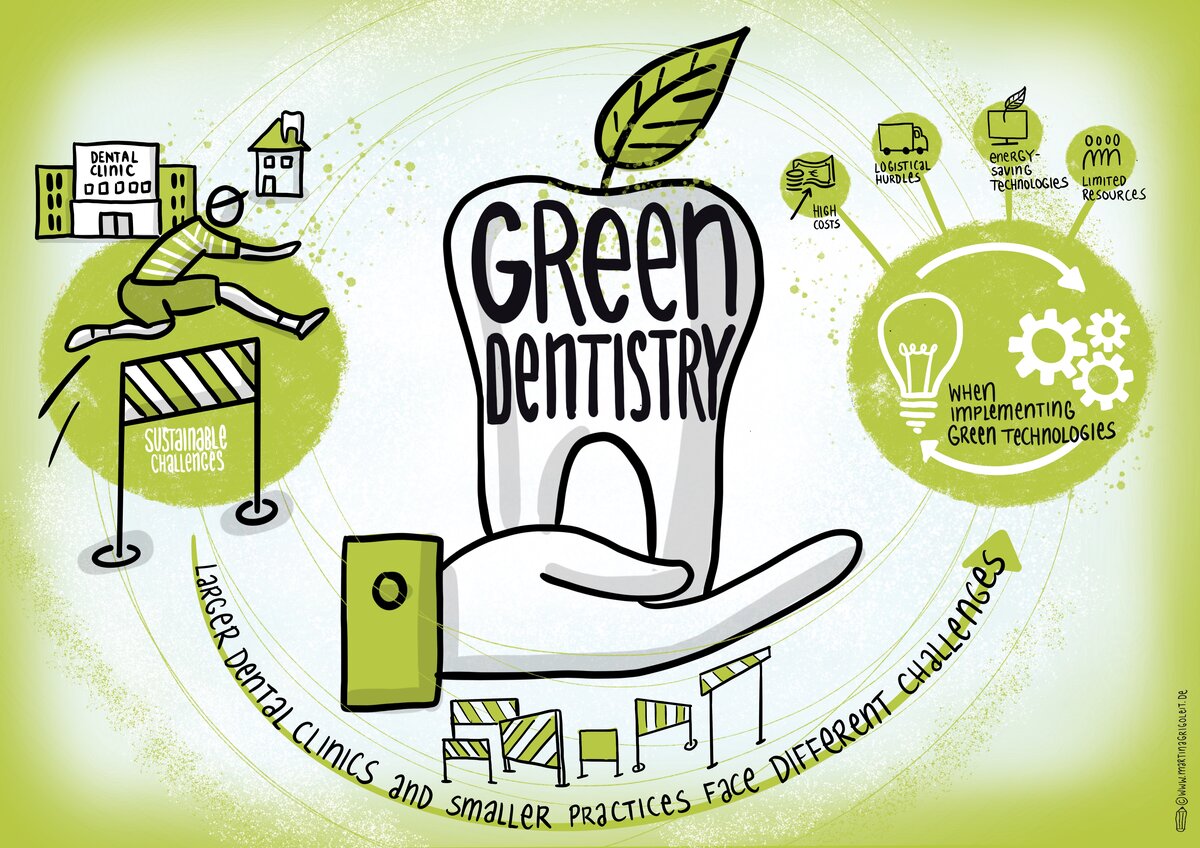
"Eco-friendly dentistry,’ or green dentistry, isn"t a single action, but a holistic approach to minimizing the environmental impact of dental practices. It goes far beyond simply recycling paper and plastic. It encompasses everything from the materials used to the energy sources employed and the water conservation strategies implemented.
A key component is the adoption of digital technologies. Digital radiography, for example, dramatically reduces the need for chemical developers and fixers used in traditional X-ray processing. Water conservation systems, like those that recycle water used for rinsing, can significantly reduce water consumption. These aren’t just environmentally sound; they can also lower operating costs for the practice.
Using eco-friendly materials is another cornerstone. This includes exploring alternatives to amalgam fillings, such as composite resins or ceramic restorations. It also means choosing biodegradable dental floss, toothbrushes with replaceable heads, and seeking out suppliers who prioritize sustainable packaging. While there isn't a universally recognized certification for 'green' dental practices yet, some dentists are actively pursuing certifications related to energy efficiency and waste reduction.
Zero waste is a high bar for a medical facility, but cutting plastic use by half is a realistic start. It comes down to small, daily changes in how a clinic stocks its supplies.
Choosing better materials
The materials dentists use have a significant impact on the environment. Amalgam fillings, while durable and cost-effective, contain approximately 50% mercury. Concerns about mercury’s potential toxicity have driven the search for alternatives. Composite resins, made from plastic and glass, are a popular option, but they aren’t without their own drawbacks – some contain bisphenol A (BPA), an endocrine disruptor.
Ceramic restorations, like porcelain crowns, are generally considered more biocompatible and aesthetically pleasing, but their manufacturing process can be energy-intensive. The choice isn’t always straightforward. Biodegradable dental floss, often made from silk or cornstarch, is gaining traction as a more sustainable alternative to traditional nylon floss. Bamboo toothbrushes are another eco-friendly option, but the bristles often still contain nylon.
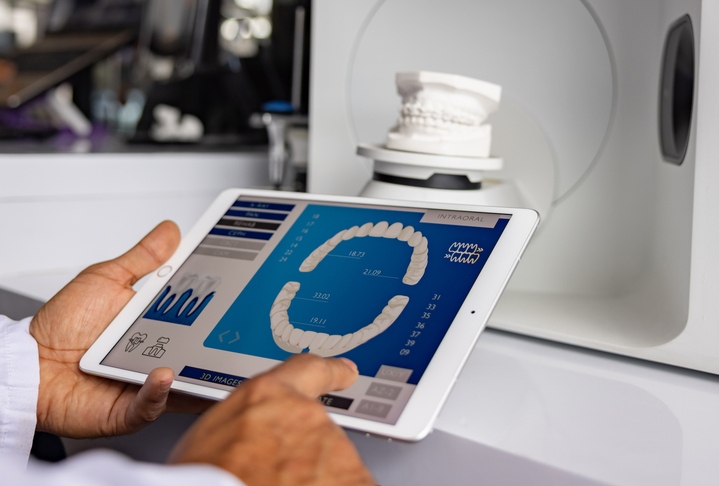
Impression materials present a unique challenge. Traditional impression materials, used to create molds of your teeth, often contain potentially harmful chemicals and end up as landfill waste. Digital impressions, using intraoral scanners, eliminate the need for these materials altogether. However, the scanners themselves require energy to operate and have a manufacturing footprint.
Cost is a factor. Eco-friendly materials can sometimes be more expensive than conventional options, and performance characteristics may differ. It’s important to discuss these tradeoffs with your dentist. The shipping and manufacturing of dental supplies also contribute to the overall environmental impact – sourcing locally when possible can help reduce this.
- Amalgam is durable and cheap but contains mercury.
- Composite resins are a common alternative, though some contain BPA.
- Ceramic Restorations: Biocompatible, energy-intensive manufacturing.
- Biodegradable Floss: Silk or cornstarch based.
- Bamboo Toothbrushes: Sustainable handle, often with nylon bristles.
Featured Products
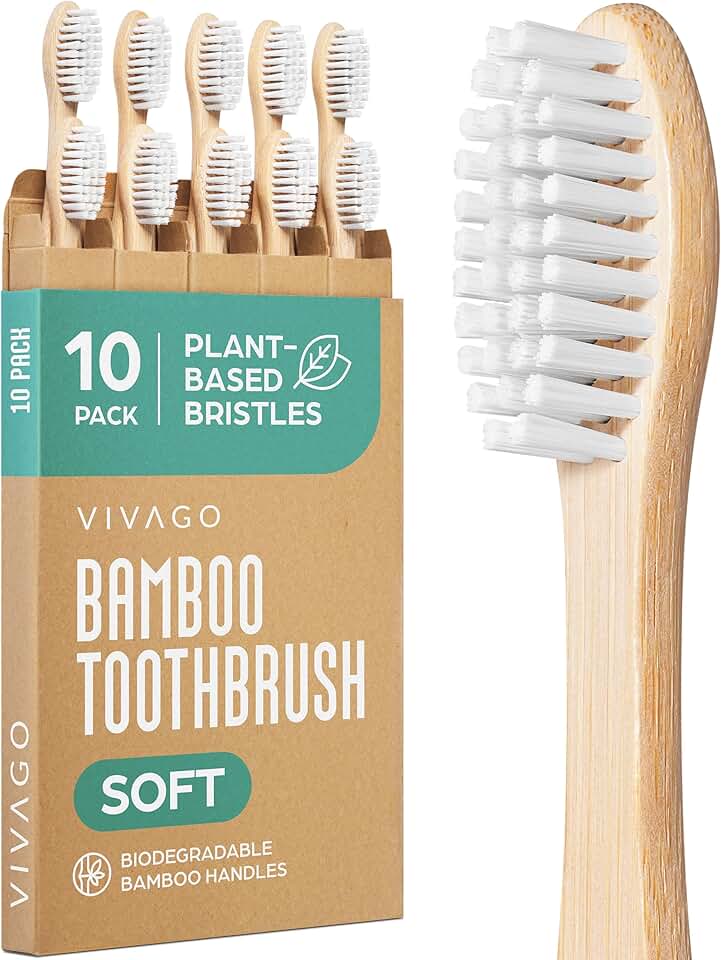
Made from natural bamboo, a sustainable resource · Soft, plant-based bristles for gentle cleaning · Biodegradable handle reduces plastic waste
These toothbrushes offer a biodegradable alternative to conventional plastic toothbrushes, significantly reducing landfill waste.

Made with activated charcoal and organic mint flavor · Coated with natural candelilla wax for smooth gliding · Biodegradable floss and refillable metal container minimize plastic use
This floss option provides a plastic-free and biodegradable way to maintain oral hygiene, using natural ingredients and a reusable container.

Contains Nano Hydroxyapatite for remineralization · Fluoride-free formula · Suitable for sensitive teeth and adult oral care
This toothpaste utilizes nano hydroxyapatite, a biomimetic mineral, as an effective alternative to fluoride for strengthening teeth, aligning with a focus on natural oral health.

Fluoride-free and alcohol-free formula · Contains Hydroxyapatite for oral care · Chewable tablets for convenient, travel-friendly use
These mouthwash tablets offer a waterless and plastic-free way to freshen breath and support oral health, ideal for reducing waste during travel or daily use.
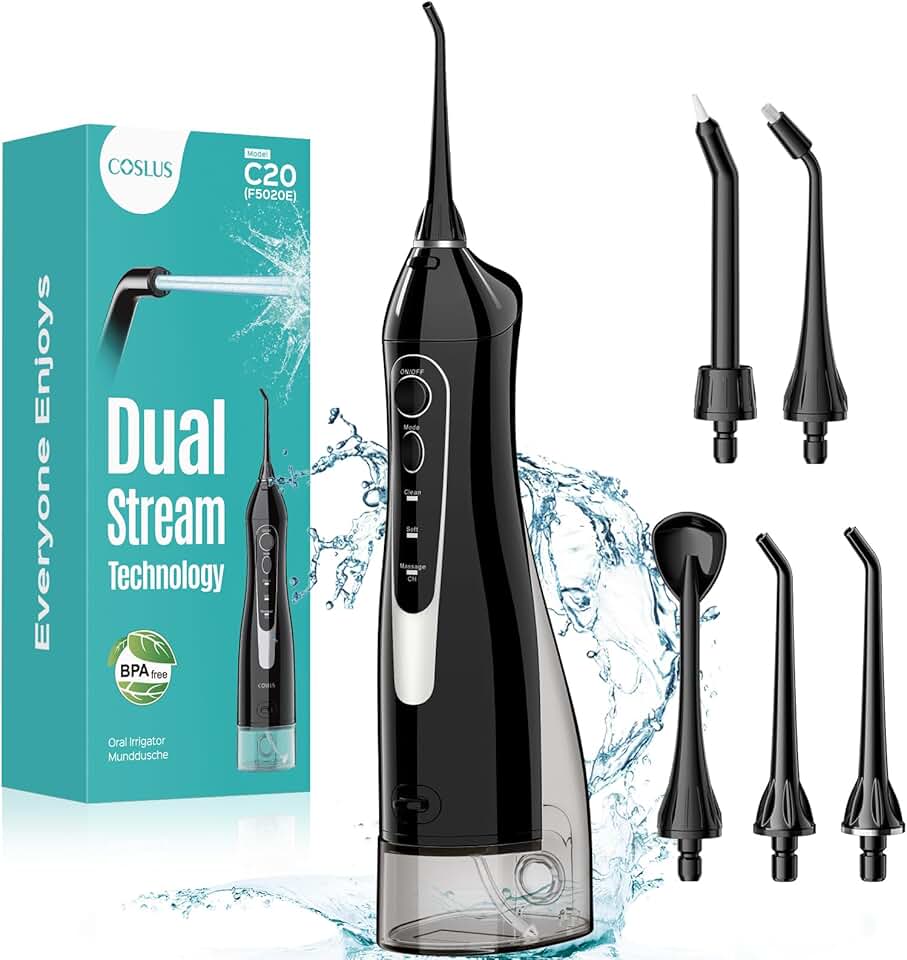
Cordless and rechargeable water flosser · 300ML water tank capacity · IPX7 waterproof rating for safe use
This electric water flosser provides an effective alternative to traditional string floss, reducing waste associated with disposable floss picks and packaging.
As an Amazon Associate I earn from qualifying purchases. Prices may vary.
Cutting water and energy use
Dental offices are substantial water users. From rinsing instruments to operating dental chairs, water is essential. Fortunately, there are several ways to reduce consumption. Low-flow fixtures can significantly decrease water usage without compromising functionality. Dry vacuum systems, which use less water than traditional systems, are another effective solution.
Efficient sterilization processes are also crucial. Autoclaves, used to sterilize instruments, consume both water and energy. Newer models are designed to be more energy-efficient and may incorporate water recycling features. Beyond water, dental offices use a significant amount of energy to power equipment, lighting, and HVAC systems.
Switching to LED lighting can dramatically reduce energy consumption. Energy-efficient HVAC systems, properly maintained, can also make a big difference. Some practices are even exploring renewable energy sources, like solar panels, to offset their carbon footprint. These investments aren’t just good for the environment; they can also lead to substantial cost savings.
Lower utility bills help pay for the new equipment over time. It also helps a clinic stand out to patients who are tired of seeing trash cans overflowing with plastic after a simple cleaning.
Finding a Sustainable Dentist
So, how do you find a dentist committed to sustainable practices? Start by looking for keywords like “eco-friendly dentist,” “green dental practice,” or “sustainable dentistry” in online searches. Check the dentist’s website for information about their environmental initiatives. Do they mention water conservation efforts, the use of digital radiography, or a commitment to reducing waste?
Don’t hesitate to ask questions during your initial consultation. Inquire about the office’s sterilization protocols – do they use environmentally friendly disinfectants? What is their waste management system like? Do they offer amalgam-free fillings? A dentist truly committed to sustainability will be happy to answer your questions and explain their practices.
Look for practices that prioritize digital dentistry. Digital impressions and paperless charting demonstrate a commitment to reducing waste and chemical usage. Consider a dentist who actively participates in community environmental initiatives. It demonstrates a broader commitment to sustainability beyond the walls of the office.
Here’s a quick checklist to help you evaluate a dentist’s sustainability practices:
- Ask if they use digital X-rays to avoid chemical processing.
- Do they offer amalgam-free fillings?
- What is their waste management system?
- Do they use eco-friendly disinfectants?
- Do they participate in any environmental initiatives?
New tech on the horizon
The field of sustainable dentistry is constantly evolving. Researchers are actively developing new biodegradable materials for fillings, floss, and other dental products. Advancements in water purification systems are making it easier for dental offices to recycle and reuse water. Carbon-neutral dental practices, powered entirely by renewable energy, are becoming a more realistic possibility.
We're also seeing increased interest in biomimicry – designing dental materials and techniques based on natural processes. For example, researchers are exploring the use of self-healing dental materials inspired by the way teeth repair themselves naturally. The development of more sustainable impression materials remains a key area of focus.
Patient education and advocacy will play a crucial role in driving change. As patients become more aware of the environmental impact of dental care, they’ll demand more sustainable options from their dentists. This increased demand will incentivize practices to adopt greener practices.
It’s an exciting time for sustainable dentistry. While challenges remain, the momentum is building towards a more environmentally responsible future for oral healthcare. The focus is shifting towards preventative care and minimizing the need for invasive procedures, which further reduces the environmental footprint.
No comments yet. Be the first to share your thoughts!