

The Rise of AI in Dental Exams
For decades, a dental exam has followed a pretty standard pattern: visual inspection, probing for cavities, and x-rays. It’s effective, but it relies heavily on the dentist’s experience and can sometimes miss early signs of trouble. Now, artificial intelligence is starting to change that. It’s not about robots replacing dentists, but about giving them tools to be more accurate and efficient.
We're moving beyond the hype surrounding AI and seeing real-world applications emerge, particularly in diagnostics. The year 2026 feels like a turning point because the cost of these technologies is coming down, and more dentists are receiving the training needed to use them effectively. This isn't a future promise; it's happening now, albeit at varying speeds across different practices.
The biggest pain points AI aims to solve are early detection of diseases like oral cancer and more precise identification of cavities, reducing the need for unnecessary drilling. Traditional x-rays, while valuable, are two-dimensional. AI can analyze these images – and newer 3D scans – with a level of detail that’s difficult for the human eye to achieve. This can lead to more conservative and effective treatment plans.
Cost is always a concern. While the initial investment for dental practices can be significant, the long-term benefits of earlier detection and preventative care could potentially offset some of those costs for patients. It’s a complex equation, and insurance coverage will play a crucial role in determining affordability.
AI-Powered Diagnostics: What Can It Detect?
AI isn’t just about finding cavities; it’s capable of detecting a much wider range of oral health issues. Caries detection is perhaps the most advanced area, with AI algorithms able to identify subtle signs of decay before they’re visible to the naked eye. This allows for early intervention and potentially avoids the need for fillings.
Periodontal disease, or gum disease, is another area where AI excels. It can analyze x-rays to measure bone loss with greater precision than traditional methods, helping dentists to diagnose and treat gum disease in its early stages. This is critical because untreated periodontal disease can lead to tooth loss and other health problems.
Perhaps most importantly, AI is showing promise in oral cancer screening. Algorithms can be trained to identify suspicious lesions and patterns in oral tissues that might indicate the presence of cancerous or precancerous cells. Early detection is absolutely vital for successful cancer treatment. A 2023 study in the Journal of Dental Research showed AI improved cancer detection rates by 18% when used alongside traditional screening methods.
AI can also assist in identifying subtle bone loss that might be indicative of systemic diseases like osteoporosis. It’s important to remember that AI is a diagnostic aid, not a replacement for a dentist’s clinical judgment. The dentist still needs to interpret the results and make a final diagnosis. There are limitations; AI can sometimes misinterpret images or miss subtle signs, so a skilled professional is always necessary.
- Caries (Cavities): Early detection, reduced need for drilling.
- Periodontal Disease: Precise bone loss measurement, early intervention.
- Oral Cancer: Identification of suspicious lesions, improved survival rates.
- Bone Loss: Detection of systemic disease indicators, comprehensive assessment.
AI-Assisted vs. Traditional Dental Diagnostics - A Comparative Overview (2026)
| Condition | Traditional Methods | AI-Assisted Methods | Key Considerations |
|---|---|---|---|
| Caries (Tooth Decay) Detection | Relies heavily on visual examination and radiographic interpretation; potential for subjective assessment. | Utilizes image analysis to identify early lesions, potentially improving sensitivity and reducing false negatives. | AI excels at detecting subtle changes, but requires high-quality images and validation by a dentist. |
| Periodontal Disease Assessment | Primarily based on clinical probing depths and radiographic bone loss evaluation. | Employs algorithms to analyze periodontal probing data and radiographic images, aiding in risk stratification and monitoring disease progression. | AI can assist with identifying patterns, but comprehensive clinical evaluation remains essential. |
| Oral Cancer Screening | Dependent on visual and tactile examination of oral tissues; relies on dentist's experience. | Leverages image analysis to identify potentially cancerous lesions or pre-cancerous changes, potentially increasing early detection rates. | AI serves as an adjunct to clinical examination; biopsy is still the gold standard for diagnosis. |
| Diagnosis of Periapical Lesions | Radiographic interpretation is standard, but can be affected by image quality and dentist experience. | AI algorithms can enhance radiographic images and assist in identifying subtle periapical changes. | AI can improve detection, but correlation with clinical symptoms is crucial. |
| Assessment of Bone Loss in Implant Dentistry | Radiographic assessment is common, often subjective and two-dimensional. | AI can provide more precise three-dimensional measurements of bone loss around implants. | AI can aid in longitudinal monitoring, but requires consistent imaging protocols. |
| Temporomandibular Joint (TMJ) Disorder Evaluation | Clinical examination, patient history, and imaging (radiographs, MRI). | AI can analyze imaging data to identify structural abnormalities and assess joint movement. | AI can support diagnosis, but clinical correlation and patient symptoms are paramount. |
Qualitative comparison based on the article research brief. Confirm current product details in the official docs before making implementation choices.
Tech in Action: Common AI Tools Dentists Are Using
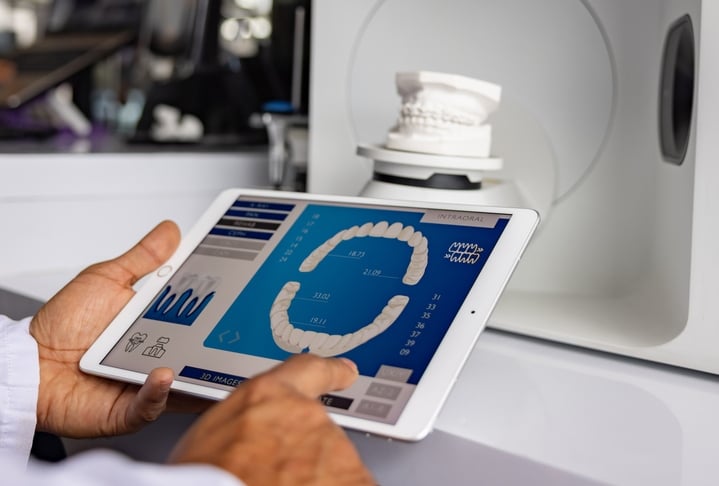
Dentists aren’t just talking about AI; they’re actively integrating it into their practices. Intraoral scanners are becoming increasingly common. These handheld devices create a digital impression of your teeth and gums, eliminating the need for messy molds. The data generated can then be analyzed by AI algorithms to identify anomalies.
CBCT (Cone Beam Computed Tomography) is another powerful tool. Unlike traditional x-rays, CBCT provides a 3D image of your teeth, jawbone, and surrounding structures. AI software can then analyze these images to detect subtle bone loss, impacted teeth, and other issues. The use of CBCT does involve radiation exposure, but the dosage is typically lower than with traditional medical CT scans.
Perhaps the most widespread use of AI is in x-ray analysis software. Companies like Diagnocat and Pearl offer programs that automatically detect cavities, periodontal disease, and other abnormalities in dental x-rays. These programs can significantly reduce the time it takes for a dentist to review x-rays and can also improve accuracy.
These technologies aren’t just about better diagnostics; they can also lead to more comfortable procedures. Digital impressions are more comfortable than traditional molds, and AI-guided surgery can be more precise and less invasive. The benefits for patients are clear: faster diagnosis, more accurate treatment, and a more pleasant experience.
- Intraoral Scanners: Digital impressions, eliminating messy molds.
- CBCT (Cone Beam Computed Tomography): 3D imaging, detailed analysis of bone structure.
- AI-Powered X-Ray Analysis Software: Automated detection of anomalies, improved accuracy.
AI Dental Tools to Look For
- Diagnostica Radiography Software - This software, like those offered by VideaHealth, uses AI to analyze dental X-rays, assisting dentists in detecting and quantifying conditions like caries (cavities), periodontal bone loss, and periapical lesions. It aims to improve diagnostic accuracy and consistency.
- Pearl AI Dental Scanner - Pearl’s AI-powered platform assists in the detection of caries, calculus, and other anomalies during routine dental exams using intraoral scans. It provides real-time visual cues to the dentist during the scanning process.
- Overjet AI Platform - Overjet focuses on analyzing dental radiographs, specifically for identifying and quantifying areas of decay, fractures, and bone loss. It’s designed to streamline insurance pre-authorization processes and improve clinical decision-making.
- Dental Monitoring AI - Dental Monitoring utilizes AI to analyze photos taken by patients using a smartphone and a provided dental cheek retractor. It tracks tooth movement during orthodontic treatment and can identify potential issues remotely, allowing for more proactive care.
- Carestream CS MARiNDA - This tool, from Carestream Dental, uses AI to automatically outline dental structures in 2D and 3D images, helping with treatment planning and communication. It can assist in cephalometric analysis and implant planning.
- Planmeca Lumina Advance - Planmeca’s solution integrates AI into their imaging software to automatically detect caries in bitewing radiographs. It provides a visual risk assessment, aiding in prioritizing treatment needs.
- Dexis AI Discovery - Dexis’s AI-powered software assists in the detection of caries and other pathologies in dental radiographs. It's designed to improve diagnostic confidence and efficiency for dental professionals.
Finding an AI-Equipped Dental Practice
So, you’re interested in finding a dentist who uses AI-powered diagnostics. Where do you start? Unfortunately, it’s not always easy to tell. Many dental practices don’t prominently advertise their use of AI technology. The first step is to use specific keywords when searching online. Try phrases like “AI dentistry,” “digital dentistry,” “3D dental imaging,” or “laser dentistry” alongside your location.
When you call a practice, don’t hesitate to ask questions. Inquire whether they use intraoral scanners, CBCT technology, or AI-powered x-ray analysis software. More importantly, ask about the dentist’s training in interpreting the results of these technologies. Simply having the equipment isn’t enough; the dentist needs to be proficient in using it.
Meet My Dentist is evolving to address this need. We are working to incorporate information about AI-powered diagnostics into our search filters, allowing you to easily find practices that offer these services. This will include verifying the types of AI technologies used and the training of the dental professionals.
Look for practices that emphasize a preventative approach to dental care. Dentists who are committed to early detection are more likely to invest in AI technologies. Don’t be afraid to ask for a tour of the practice and see the technology in action. A transparent practice will be happy to show you what they offer.
- Use Specific Keywords: “AI dentistry,” “digital dentistry,” “3D dental imaging.”
- Ask Questions: Inquire about specific technologies and dentist training.
- Look for Preventative Care: Practices focused on early detection are more likely to use AI.
- Request a Tour: See the technology firsthand and assess transparency.
Cost Considerations: Will AI Raise Dental Bills?
This is the question on everyone’s mind: will AI-powered dentistry cost more? The answer isn’t straightforward. The initial investment for practices to acquire and implement these technologies is substantial, ranging from $50,000 for basic x-ray analysis software to several hundred thousand dollars for a full CBCT system and intraoral scanner.
However, there’s also the potential for cost savings. Earlier detection of problems can lead to less invasive and less expensive treatments. For example, detecting a small cavity early on might allow for a simple filling, whereas waiting until it’s larger could require a root canal. Preventative care is almost always cheaper than restorative care.
Insurance coverage for AI-assisted procedures is still evolving. Some insurance companies are beginning to cover certain AI-powered diagnostic tests, but it varies widely depending on the plan and the procedure. It’s important to check with your insurance provider to see what’s covered.
Some dental practices may offer financing options to help patients afford the cost of AI-powered treatments. It's also possible that as the technology becomes more widespread, the cost will come down. The long-term impact on dental bills remains to be seen, but the potential benefits of earlier detection and more effective treatment are undeniable.
- Initial Investment: Significant for practices ($50k - $300k+).
- Preventative Savings: Earlier detection can lead to less invasive treatments.
- Insurance Coverage: Varies widely; check with your provider.
- Financing Options: Some practices may offer payment plans.
The Future of AI and Dentistry: What's on the Horizon?
Looking ahead to 2026 and beyond, the possibilities for AI in dentistry are truly exciting. We’re likely to see the development of AI-powered personalized treatment plans, tailored to each patient’s unique oral health needs. This could involve analyzing a patient’s genetic information, lifestyle factors, and medical history to create a customized plan.
Robotic surgery is another emerging trend. While still in its early stages, robotic surgery could offer greater precision and control, leading to less invasive procedures and faster healing times. AI could also play a role in enhancing teledentistry, allowing dentists to remotely diagnose and monitor patients using AI-powered imaging and analysis tools.
However, it’s important to consider the ethical implications of using AI in healthcare. Data privacy is a major concern, as AI algorithms require access to large amounts of patient data. Algorithmic bias is another potential issue, as AI algorithms can perpetuate existing biases if they are not carefully designed and trained.
The future of dentistry is undoubtedly intertwined with AI. By embracing these technologies responsibly, we can improve the quality of care, enhance the patient experience, and ultimately create a healthier future for everyone. The focus will be on using AI to augment, not replace, the skills and expertise of dental professionals.
- Personalized Treatment Plans: AI-driven plans based on individual data.
- Robotic Surgery: Enhanced precision and minimally invasive procedures.
- AI-Enhanced Teledentistry: Remote diagnosis and monitoring.
- Ethical Considerations: Data privacy and algorithmic bias.
Amazon Products for Oral Health
Maintaining good oral hygiene at home is crucial, and several Amazon products can complement the advanced diagnostics offered by AI-powered dentistry. Electric toothbrushes with built-in timers and pressure sensors, like the Oral-B iO Series 9, can help you brush more effectively and avoid damaging your gums. These brushes sometimes integrate with apps that provide personalized feedback on your brushing technique.
Water flossers, such as the Waterpik Aquarius, are excellent for removing plaque and debris from between your teeth and below the gumline. They can be particularly helpful for people with braces or other dental appliances. Using a water flosser regularly can reduce the risk of gum disease and cavities.
Interdental brushes, like those offered by GumSoft, are another effective way to clean between your teeth. They come in a variety of sizes to fit different spaces. Tongue scrapers, such as the Benjamine Tongue Scraper, can help remove bacteria from your tongue, improving breath freshness and overall oral health.
Finally, consider using a mouthwash with fluoride, like Listerine Total Care. Fluoride helps strengthen tooth enamel and protect against cavities. These products aren’t substitutes for regular dental checkups, but they can play an important role in maintaining a healthy smile. Remember to look for products with the American Dental Association (ADA) Seal of Acceptance for added assurance of quality and effectiveness.
- Oral-B iO Series 9 Electric Toothbrush: Timers, pressure sensors, app integration.
- Waterpik Aquarius Water Flosser: Removes plaque and debris, ideal for braces.
- GumSoft Interdental Brushes: Cleans between teeth, various sizes available.
- Benjamine Tongue Scraper: Improves breath freshness, removes bacteria.
- Listerine Total Care Mouthwash: Strengthens enamel, protects against cavities.
Advanced Oral Care Tools for the Tech-Savvy Patient
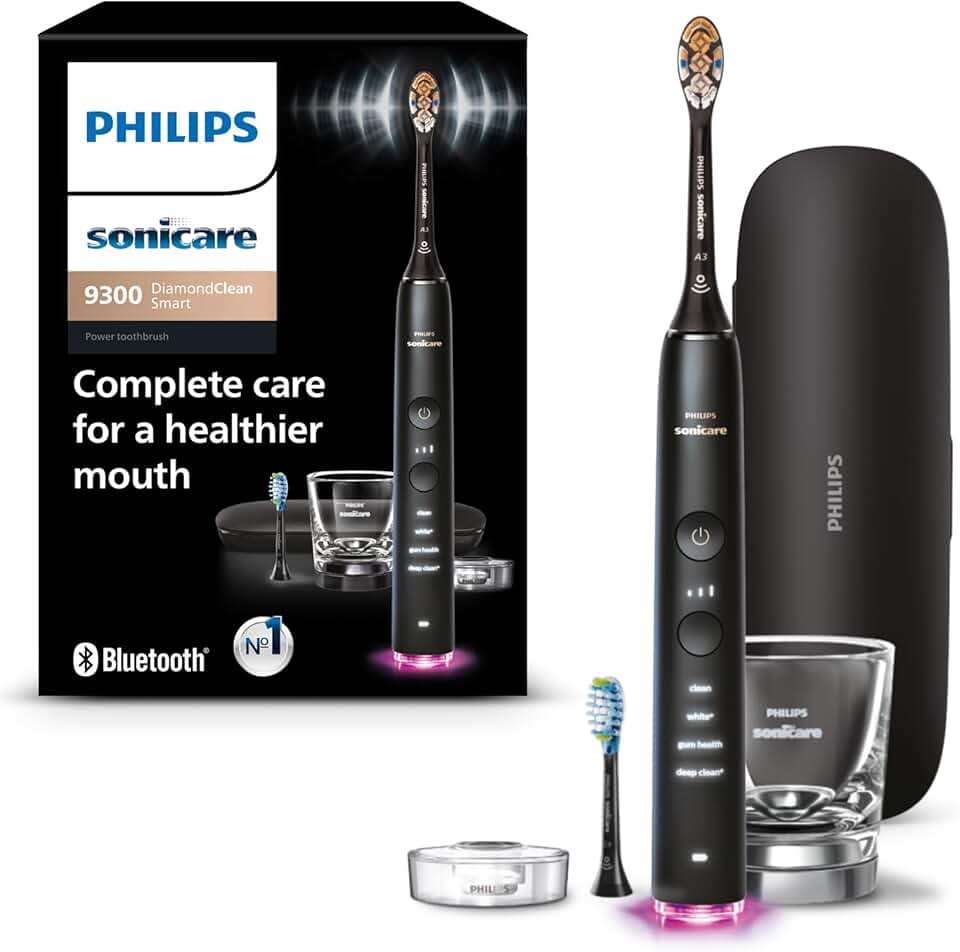
App connectivity for personalized coaching · Pressure sensor to protect gums · Brush head detection for optimal cleaning
This smart toothbrush offers personalized guidance and tracks brushing habits, helping users maintain optimal oral hygiene between AI-assisted dental check-ups.

Ten pressure settings for customized cleaning · Seven interchangeable tips for various needs (including braces) · ADA Accepted for effective plaque removal
The Waterpik Aquarius Water Flosser provides a thorough clean, reaching areas traditional brushing misses, which is crucial for maintaining gum health and supporting the insights gained from AI diagnostics.

Disposable interdental brushes for convenience · Designed for effective cleaning between teeth and along the gumline · Comes with a convenient carry case
These interdental brushes are dentist-recommended for improving gum health and removing plaque, complementing AI diagnostics by ensuring consistent interdental cleaning.

Stainless steel construction for durability · Ergonomic comfort grip handle · Designed to effectively remove tongue coating
A clean tongue contributes to overall oral hygiene and fresher breath, supporting the comprehensive oral health assessment provided by AI diagnostic tools.

Professional-level teeth whitening at home · Advanced Seal Technology to prevent strip slippage · Designed for noticeable results
While not directly diagnostic, maintaining a bright smile with these whitening strips can boost patient confidence and encourage proactive oral care, aligning with the goals of advanced dental technology.
As an Amazon Associate I earn from qualifying purchases. Prices may vary.


No comments yet. Be the first to share your thoughts!