

Beyond the Drill: What Sustainable Dentistry Looks Like
Dentistry, like many healthcare fields, has historically generated a significant environmental footprint. From the materials we use to the energy consumed, traditional dental practices contribute to waste, pollution, and resource depletion. But awareness is growing, and a shift towards sustainability is underway. Patients are increasingly asking about eco-friendly options, and dentists are responding by adopting greener practices.
This isn't simply a fleeting trend, but a necessary evolution. The environmental impact of dentistry extends beyond the obvious waste products. Consider the energy needed to power equipment, the water used for sterilization and rinsing, and the lifecycle of dental materials – from extraction to disposal. Reducing this impact isn’t just good for the planet; it reflects a growing ethical responsibility within the healthcare community.
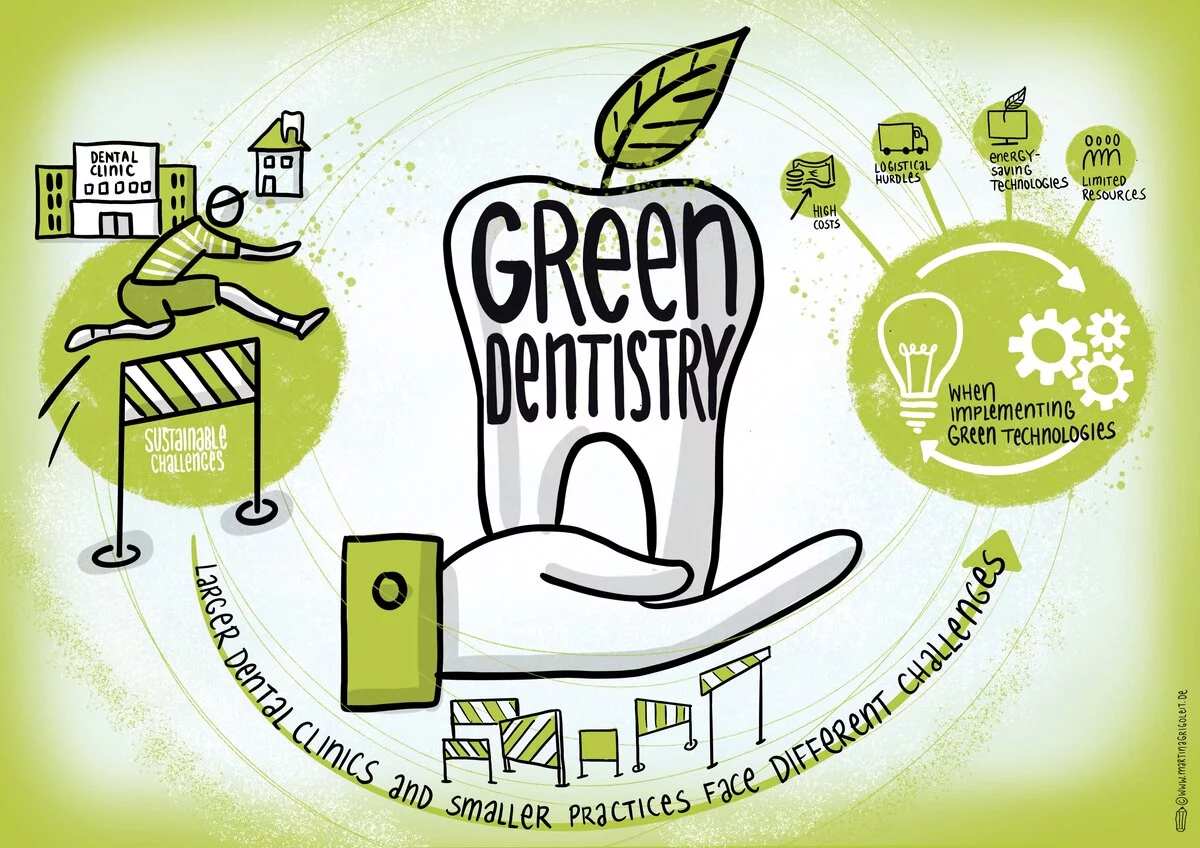
Sustainable dentistry aims to minimize this impact across all aspects of care. It’s about choosing materials with lower environmental footprints, conserving resources, reducing waste, and embracing innovative technologies. It's a holistic approach that considers the long-term health of both patients and the planet. The goal is to provide high-quality dental care without compromising the well-being of future generations.

Materials Matter: Reducing Your Dental Footprint
The materials used in dental treatments have a considerable impact on sustainability. For decades, dental amalgam – a mixture of metals, including approximately 50% mercury – was the standard for fillings. However, mercury is a known neurotoxin, and its release into the environment during amalgam removal and disposal poses a serious health risk. The trend is moving away from amalgam, though it’s still used in some practices.
Composite resins, tooth-colored fillings made of plastic and glass, have become a popular alternative. While generally considered safer than amalgam, composite resins aren’t without their drawbacks. They are derived from petroleum, a non-renewable resource, and their production can contribute to greenhouse gas emissions. The lifecycle assessment of these materials is complex.
Researchers are exploring alternative materials like bioceramics and plant-based fillings. Bioceramics, often made from calcium phosphate, are biocompatible and can promote remineralization of tooth structure. Plant-based materials, while still in early stages of development, offer the potential for truly renewable and biodegradable dental materials. But finding truly sustainable options is a challenge; the cost, durability, and aesthetic qualities need to be comparable to traditional materials.
Asking your dentist about their material choices is crucial. Inquire about the composition of fillings, the source of materials, and their disposal practices. A dentist committed to sustainability will be transparent about these details and willing to discuss the pros and cons of different options. Understanding the origin and end-of-life of dental materials empowers you to make informed decisions about your care.
- Amalgam: Contains mercury, a neurotoxin, posing environmental and health risks.
- Composite Resins: Petroleum-based, safer than amalgam but not fully sustainable due to production impacts.
- Bioceramics: Made from calcium phosphate, biocompatible and can help remineralize teeth.
- Plant-based Materials: Potentially renewable and biodegradable, but still in early development.
Comparison of Common Dental Materials: Sustainability & Practicality
| Material | Environmental Impact | Durability | Aesthetics | Patient Concerns |
|---|---|---|---|---|
| Amalgam | Higher – Contains mercury, a known environmental toxin. Disposal is a concern. | High – Very strong and long-lasting. | Lower – Silver color is not tooth-like. | Some patient concerns regarding mercury content, though considered safe by many dental associations. |
| Composite Resin | Medium – Derived from plastics, production relies on fossil fuels. Biodegradable options are emerging but not widespread. | Medium – Good strength, but may not be as durable as amalgam for large fillings. | Better – Can be closely matched to natural tooth color. | Generally well-accepted by patients. Potential for sensitivity in some cases. |
| Glass Ionomer | Lower – Contains less harmful components than amalgam, releases fluoride which can be beneficial. | Lower – Less durable than amalgam or composite, more prone to wear. | Fair – Translucent, but not as aesthetically pleasing as composite resin. | Good biocompatibility, often used for children’s fillings and root surface caries. |
| Bioceramics | Lower – Made from naturally occurring materials, generally considered more biocompatible and sustainable. | Medium to High – Strength varies depending on the specific bioceramic material. Some formulations are very durable. | Good – Can be tooth-colored, offering improved aesthetics. | Relatively new material; long-term effects are still being studied. Generally well-tolerated. |
| Porcelain/Ceramic | Medium – Requires high-temperature firing, energy intensive process. Material itself is inert. | High – Excellent strength and resistance to wear. | Excellent – Highly aesthetic, closely mimics natural tooth structure. | Can be more brittle than other materials, potential for chipping. |
Qualitative comparison based on the article research brief. Confirm current product details in the official docs before making implementation choices.
Water & Energy: Conserving Resources in the Operatory
Dental procedures are surprisingly resource-intensive. Sterilization, suction, and rinsing all require substantial amounts of water. Traditional dental units can use up to 5 gallons of water per minute. Fortunately, there are technologies available to significantly reduce water consumption. Dry vacuum systems, for example, minimize water usage during suction, and efficient sterilization equipment uses less water and energy.
Beyond water, energy consumption is a significant concern. Dental operatory lights, HVAC systems, and equipment like X-ray machines all contribute to a practice’s carbon footprint. Switching to energy-efficient LED lighting, using programmable thermostats, and investing in energy-efficient equipment can make a substantial difference.
Some forward-thinking dental practices are even exploring renewable energy sources, such as solar panels, to power their operations. This reduces their reliance on fossil fuels and lowers their overall environmental impact. Implementing a comprehensive resource management plan, including water conservation and energy efficiency measures, is a key component of sustainable dental care.
I’ve seen practices implementing closed-loop water systems for non-potable uses, further reducing water waste. These systems treat and reuse water for tasks like rinsing and cooling equipment. While the initial investment can be significant, the long-term environmental and financial benefits can be substantial.
Digital Dentistry: A Surprisingly Green Solution
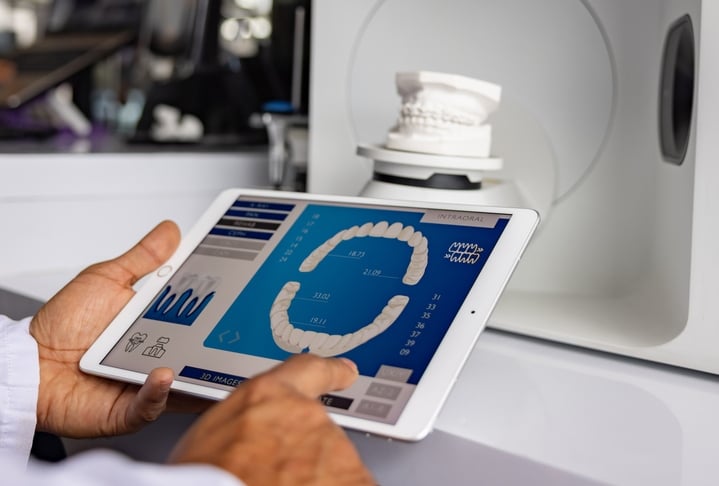
Digital dentistry – encompassing technologies like CAD/CAM (computer-aided design/computer-aided manufacturing), digital x-rays, and 3D printing – offers a pathway to more sustainable dental care. Traditionally, taking impressions involved using messy, disposable materials. Digital scanning eliminates the need for these materials, reducing waste and improving accuracy.
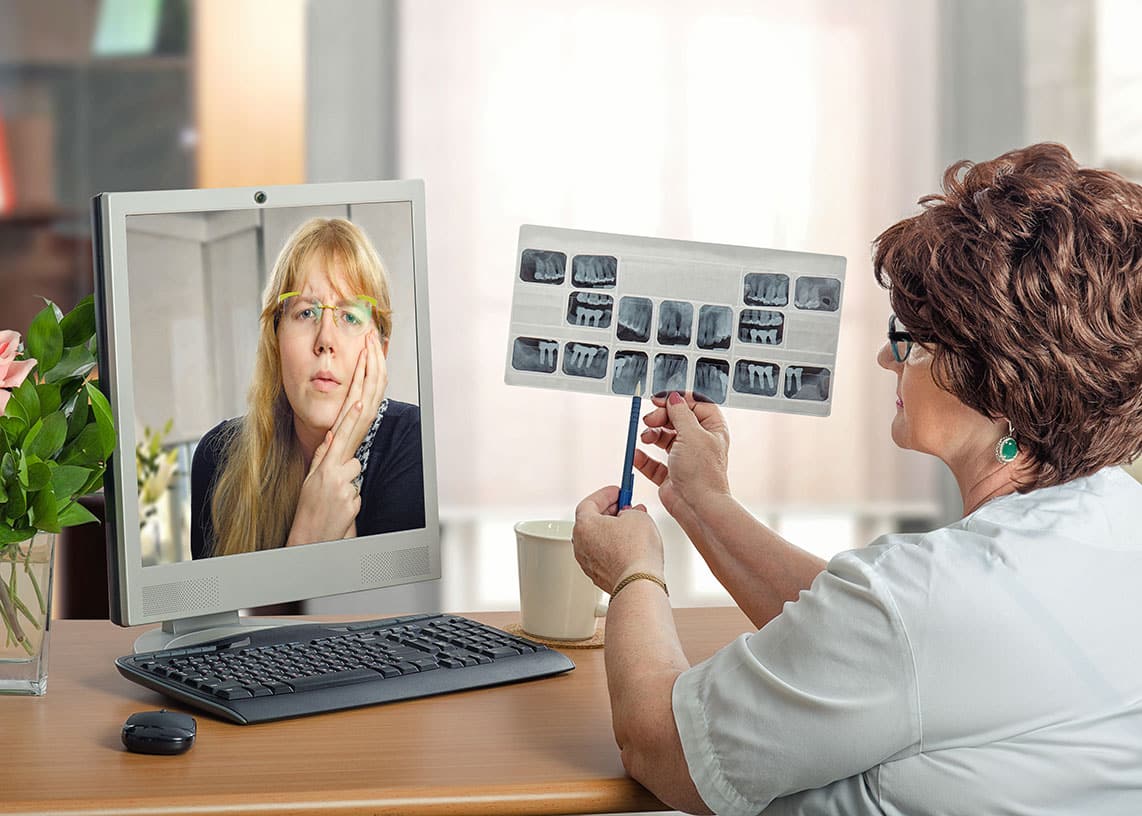
Digital x-rays significantly reduce the use of chemicals required for developing traditional film x-rays. They also require lower radiation doses, benefitting both patients and staff. 3D printing allows for the creation of precise dental models and surgical guides, minimizing the need for physical models and reducing material waste.
It’s important to acknowledge that digital equipment does consume energy. However, the overall environmental benefits often outweigh the costs. The reduction in material waste, improved accuracy (leading to fewer retakes), and streamlined workflows contribute to a more sustainable practice. The efficiency gains can also reduce treatment times, saving both time and resources.
Digital dentistry isn't simply about adopting new technology; it’s about rethinking the entire dental workflow to minimize waste and maximize efficiency. It’s a powerful tool for creating a more environmentally responsible practice.
- Digital Scanning: Replaces messy impression materials, reducing waste and improving accuracy.
- Digital X-rays: Reduce chemical usage and radiation exposure.
- 3D Printing: Creates precise models and guides, minimizing waste.
Finding a Green Dentist: What to Look For
If you're looking for an eco-friendly dentist, it's important to know what to look for. Start by asking potential dentists about their commitment to sustainability. Inquire about the materials they use, their sterilization practices, and their waste management policies. A dentist who is genuinely committed to sustainability will be happy to discuss these topics.
Specifically, ask about their approach to amalgam removal, their use of composite resins, and whether they offer alternative materials like bioceramics. Ask about their water conservation efforts and energy efficiency measures. Do they have a recycling program in place? Do they use digital x-rays and scanning technologies?
Currently, there isn’t a universally recognized certification for "green" dental practices. However, some dentists may be affiliated with organizations promoting sustainable healthcare. Look for practices that prioritize infection control protocols alongside environmental responsibility. Temburni Family & Aesthetic Dentistry in Falls Church, Virginia, for example, demonstrates a commitment to modern facilities and trustworthy care – a good starting point for finding a conscientious provider.
Fortunately, Meet My Dentist now offers search filters that allow you to find dentists with specific eco-friendly practices. You can filter by practices that use digital x-rays, offer alternative filling materials, or have implemented water conservation measures. This makes it easier than ever to find a local dentist who shares your values.
The Cost of Going Green: Is Eco-Friendly Dentistry More Expensive?
The question of cost is often a concern when considering eco-friendly dental care. It’s true that some sustainable materials and technologies may have a higher upfront cost compared to traditional options. For example, bioceramic fillings may be more expensive than composite resins. However, it's important to consider the long-term value.
Eco-friendly materials often offer increased durability and may reduce the need for future replacements. This can save you money in the long run. Additionally, the environmental benefits of choosing sustainable options have intrinsic value that shouldn’t be overlooked.
Insurance coverage for eco-friendly alternatives can vary. Some insurance plans may cover the cost of composite resins, but may not cover bioceramic fillings. It’s always best to check with your insurance provider to understand your coverage options. Many dentists are willing to work with patients to find affordable eco-friendly solutions.
Innovations on the Horizon: The Future of Green Dentistry
The field of sustainable dentistry is constantly evolving. Researchers are actively exploring new materials and technologies to further reduce the environmental impact of dental care. Biodegradable dental floss, made from plant-based materials, is gaining traction as a more sustainable alternative to traditional nylon floss.
Plant-based dental implants, made from materials like polylactic acid (PLA), are also under development. These implants would be biodegradable, eliminating the need for surgical removal after they’ve served their purpose. New sterilization methods, such as cold plasma sterilization, are being investigated as a way to reduce water and energy consumption.
The concept of closed-loop systems – where waste is minimized and resources are reused – is also gaining momentum. This could involve recycling dental materials, capturing and reusing water, and generating energy from waste products. While these innovations are still in their early stages, they hold the potential to transform the future of green dentistry.
I anticipate a greater emphasis on preventative care, reducing the need for invasive treatments and minimizing the use of materials. Ultimately, the goal is to create a dental system that is both effective and environmentally responsible.

No comments yet. Be the first to share your thoughts!