
When a Toothache Strikes: Why Holiday Weekends Feel Worse
Imagine this: it’s the Fourth of July, you’re miles from home, enjoying a barbecue, and then bam – a searing toothache. Suddenly, hot dogs and fireworks are the last things on your mind. Dental emergencies have a way of hitting at the worst possible moments, and holidays seem to be their favorite time to strike. It's incredibly frustrating to have a dental issue disrupt what should be a relaxing period.
This isn't just bad luck. Being away from your regular dentist, travel disruptions, and holiday stress can amplify pain and anxiety. Stress and pain have a complicated relationship; higher stress levels make you more sensitive to pain. Feeling stranded without familiar care adds worry.
There’s also a psychological component. On vacation or visiting family, you’re trying to enjoy yourself. A toothache is a harsh reminder of everyday life and can derail those plans. It’s easy to feel helpless and overwhelmed when you’re far from your usual support system and dental care network. It makes a bad situation feel worse.
What Actually Counts as a Dental Emergency? (And What Can Wait)
It's tempting to categorize any tooth pain as an emergency, especially when you’re already stressed. But not every ache requires an immediate trip to the dentist – or the emergency room. Knowing the difference between a true emergency and something that can be scheduled during regular hours can save you time, money, and unnecessary anxiety.
Genuine dental emergencies include severe pain not manageable with over-the-counter medication, a knocked-out tooth (especially if you can locate it), a painful and swelling abscess, or uncontrolled bleeding in the mouth. These situations can quickly become serious if left untreated. If you’re experiencing any of these, you need prompt attention.
A lost filling, a minor chip in a tooth, or slight discomfort that responds to pain relievers generally aren’t emergencies. While they should be addressed by your dentist, they can usually wait until regular office hours. Self-diagnosis isn’t always easy. If you’re unsure, err on the side of caution and contact a dental professional for advice.
- Dental Emergency: Severe pain, swelling, or bleeding
- Dental Emergency: Knocked-out tooth
- Not an Emergency: Lost filling or crown (no pain)
- Not an Emergency: Minor chip in a tooth
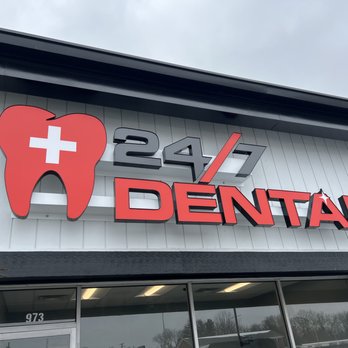
Finding 24/7 Emergency Dental Care: It *Is* Possible
The good news is that 24/7 emergency dental care does exist, though it’s not as widespread as regular dental practices. It requires a bit more searching, but it’s available in many metropolitan areas. Don't assume you're out of luck just because it's a holiday; options are out there.
For example, Abundant Dental Care advertises being “here for you 24/7 as an emergency dentist,” showing that some practices provide round-the-clock care. Finding these practices often requires using specific keywords in your online search – try “24/7 dentist near me,” “emergency dental open now,” or “holiday dental care.”
Online directories like Yelp, Healthgrades, and Patient Connect 365 can be helpful, though verify the practice’s hours and emergency services directly. Be prepared to call around; not every listing is accurate. It may take effort, but locating a 24/7 dentist is often possible if you’re persistent.
Emergency Rooms vs. Urgent Care: Where Should You Go?
When a dental emergency arises outside of regular office hours, you might wonder whether to head to the emergency room or an urgent care center. It’s a valid question, and the answer depends on the severity of your situation. Both can offer temporary relief, but their capabilities differ significantly.
Emergency rooms handle life-threatening symptoms associated with dental emergencies, such as severe swelling that obstructs breathing, uncontrolled bleeding, or signs of a systemic infection. However, ERs generally cannot perform dental procedures like root canals, extractions, or fillings. They can provide pain medication and antibiotics to manage the symptoms and stabilize your condition until you can see a dentist.
Urgent care centers represent an intermediate option. Some urgent care facilities offer limited dental services, such as simple extractions or treatment for minor infections. However, their dental capabilities are typically limited compared to a dedicated dental practice. Essentially, the ER is for true medical emergencies, while urgent care is a possibility for less severe dental issues when your dentist isn’t available.
Cost of Emergency Dental Care: What to Expect
Let’s be realistic: emergency dental care is rarely cheap. It often comes with higher costs than routine dental visits, due to the after-hours nature of the care and the urgent need for treatment. Being prepared for the financial aspect can reduce stress during an already difficult time.
Many practices offer emergency exams to assess the situation and provide a treatment plan. Holladay Dental Studio, for instance, lists emergency exams starting at $19. This is a relatively affordable way to get an initial evaluation and understand your options. However, the cost of subsequent treatment – such as a root canal or extraction – will be significantly higher.
It's wise to inquire about payment options, such as payment plans or financing, before proceeding with treatment. Some dental offices work with third-party financing companies to help patients manage the cost of care. Don’t hesitate to discuss your financial concerns with the dental staff; they may be able to offer solutions.
Same-Day Dentistry: Can You Get Treatment *Today*?
In some cases, it’s possible to receive treatment for a dental emergency on the same day. Practices that advertise “same-day dentistry” are equipped to handle urgent cases quickly and efficiently. This is a huge relief when you’re in significant pain and need immediate attention.
Smart Dental Care is one example, highlighting its same-day crowns and emergency care options. However, the availability of same-day treatment depends on the nature of the emergency and the practice's schedule. Extractions and root canals are often candidates for same-day treatment, while more complex procedures may require multiple appointments.
Don’t assume that same-day service is guaranteed. It’s crucial to call ahead and inquire about appointment availability and the scope of services offered. Be prepared to be flexible and potentially wait longer than usual for treatment. While same-day dentistry is a valuable option, it isn’t always feasible.
Building Your Dental Emergency Toolkit: Preparation is Key
Proactive preparation can make a dental emergency less stressful. It’s about having a plan in place before a crisis hits, so you aren’t scrambling when pain strikes. A little forethought can go a long way toward easing your anxiety and ensuring you get the care you need.
Start by compiling a list of emergency dental contacts – including your dentist’s after-hours number, local emergency dental clinics, and the numbers for 24/7 services. Also, familiarize yourself with your dental insurance coverage, including what’s covered for emergency care and any out-of-network benefits. Knowing this information beforehand can save you time and money.
Consider assembling a small dental emergency kit containing temporary filling material (available at most pharmacies), pain relievers, clean gauze, and a small container for storing a knocked-out tooth (if applicable). While these items aren’t substitutes for professional care, they can provide temporary relief and help stabilize the situation until you can see a dentist.
Resources for Finding a Dentist When You're Traveling
Dental emergencies don't take vacations, and finding care while traveling can be particularly challenging. Fortunately, several resources can help you locate a dentist in an unfamiliar area. Planning ahead, even a little, can alleviate a lot of stress if an emergency arises.
Online directories like Yelp, Healthgrades, and Patient Connect 365 are excellent starting points. These platforms allow you to search for dentists by location and filter results for emergency services. Be sure to read reviews and verify the practice’s hours and emergency availability. Don't just rely on the first result – compare options.
Contacting your dental insurance provider is also a good idea. They may have a network of dentists in the area you’re visiting and can provide information about out-of-network benefits. Additionally, don’t hesitate to ask the concierge at your hotel for recommendations. They often have a list of local dentists they can refer you to.
No comments yet. Be the first to share your thoughts!