
When Tooth Pain Can’t Wait: Recognizing a True Dental Emergency
It’s easy to dismiss a toothache as just another annoyance, something to live with until your next scheduled cleaning. But some dental issues demand immediate attention – these are true dental emergencies. Knowing the difference between discomfort and a genuine emergency can save you pain, time, and potentially your tooth. I’ve seen too many people put off seeking help, only to end up with a much bigger, and more expensive, problem down the line.
The NHS 111 guidelines in the UK are a good starting point for defining a dental emergency: knocked-out teeth, severe bleeding, or pain so intense it interferes with breathing, swallowing, or prevents sleep are all red flags. The American Dental Association expands on this, emphasizing that trauma to the teeth, gums, or jaw – even if there’s no visible damage – should be evaluated quickly. Don’t underestimate the impact of a blow to the mouth, even if you feel okay initially.
Severe, unrelenting tooth pain is also a key indicator. We're not talking about a mild ache that comes and goes. I mean pain that keeps you up at night, doesn’t respond to over-the-counter pain relievers like ibuprofen or paracetamol, and makes it difficult to function during the day. If you’ve tried managing the pain yourself without success, it’s time to seek professional help. Ignoring it won’t make it disappear – it will likely worsen.
Beyond pain and trauma, a lost filling or crown can sometimes constitute an emergency, especially if it leaves the tooth exposed and sensitive. While not always excruciating, a damaged tooth is more vulnerable to infection and further damage. Similarly, an abscess – a pocket of pus caused by a bacterial infection – requires prompt treatment to prevent the infection from spreading. An abscess can cause swelling, fever, and even difficulty breathing.
It's important to remember that these guidelines are just that – guidelines. Your individual situation is unique. If you’re unsure whether your condition warrants an emergency visit, it’s always best to err on the side of caution and call a dentist. They can assess your symptoms over the phone and advise you on the best course of action. Don't try to self-diagnose; a professional opinion is invaluable.
Finally, consider the overall impact on your health. A severe dental infection isn't isolated to your mouth. It can affect your immune system and potentially lead to more serious health complications. Taking a dental emergency seriously is taking your overall health seriously.
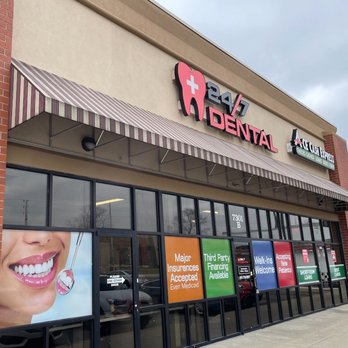
Beyond the Dentist's Office: Emergency Care Options When Your Dentist is Closed
So, your tooth is throbbing, and your dentist’s office is closed. What now? You have a few options, each with its own advantages and disadvantages. The first is to seek care at an urgent care center. While they can provide some pain relief and potentially prescribe antibiotics, urgent care centers generally aren’t equipped to handle complex dental procedures.
Hospital emergency rooms are another possibility, but they should be reserved for truly life-threatening situations. A fractured jaw, excessive bleeding that won’t stop, or swelling that obstructs your airway all warrant an immediate trip to the ER. However, ERs are often ill-equipped to deal with dental issues beyond stabilization. They can manage the pain and prevent complications, but they typically won’t perform a root canal or repair a broken tooth.
The cost of emergency care can vary significantly depending on where you go. Urgent care visits typically range from $150 to $500, depending on the services provided. ER visits are considerably more expensive, potentially costing thousands of dollars. It’s frustrating, but it’s a reality we need to face. Dental-specific emergency clinics, when available, often fall somewhere in between.
I’ve seen patients come to the ER with a chipped tooth, expecting a quick fix. While the ER staff can provide pain management, they’re not equipped to restore the tooth. This often leads to a second visit to a dentist, adding to the cost and inconvenience. It’s crucial to understand the limitations of each option and choose the most appropriate one for your situation.
Remember, these are often temporary solutions. Even if you receive treatment at an urgent care center or the ER, you’ll still need to follow up with a dentist for definitive care. Think of these options as a bridge to get you through the immediate crisis, not a permanent solution.
Dental Emergency Options: A Quick Comparison
| Cost | Treatment Scope | Typical Wait Time | Best For |
|---|---|---|---|
| High ($200 - $1000+) | Comprehensive (extractions, root canals, crowns, repairs) | Variable, often 30-60 minutes, can be longer depending on case severity | Severe pain, knocked-out teeth, lost fillings/crowns, abscesses, traumatic injuries |
| Medium ($150 - $500) | Moderate (pain management, temporary fillings, simple extractions) | 30-90 minutes, potentially longer if the urgent care center is busy | Severe toothache, chipped/broken teeth (non-emergency), lost fillings (temporary relief) |
| High ($100 - $500+ depending on ER services) | Limited (pain medication, antibiotics - *not* dental repairs) | Several hours, dependent on ER triage and patient volume | Severe swelling impacting breathing or swallowing, facial trauma with suspected fractures (requires medical attention *first*) |
| Low - Medium ($75 - $250) | Moderate (exam, x-rays, temporary fillings, simple extractions) | Variable, often 30-60 minutes, dependent on appointment availability | Sudden toothache, minor gum swelling, lost crown (if practice offers emergency slots) |
| Medium ($150 - $400) | Moderate (initial assessment, pain relief, temporary crown/filling) | Generally shorter, 15-45 minutes, if appointment is available | Broken dentures, broken braces wires, persistent bleeding after extraction |
| High ($300 - $800+) | Comprehensive (full range of dental treatments, including implants) | Variable, dependent on scheduling and case complexity | Complex dental emergencies requiring specialized care (available in areas like Indianapolis, San Diego, Plano TX) |
Data sourced from AI research — verify before making decisions
Finding a 24/7 Emergency Dentist: A City-by-City Guide
Locating a 24/7 emergency dentist can feel overwhelming, especially when you’re in pain. Fortunately, several cities have dedicated emergency dental clinics and general practices that offer extended or 24-hour services. Indianapolis, for example, has Indiana Emergency Dental, offering immediate care for various dental emergencies. They focus solely on emergency treatment, so you know you’re going to a place equipped to handle urgent situations.
San Diego also boasts several options, including dedicated emergency clinics. A quick online search for 'emergency dentist San Diego' will reveal a list of providers with 24/7 availability. It’s always a good idea to call ahead to confirm their hours and availability, as things can change. I’ve found that many clinics offer online check-in systems, which can save you time when you arrive.
In Plano, Texas, Plano Smile Studio extends its hours to accommodate emergency patients. While not strictly 24/7, they offer significantly extended hours compared to traditional dental offices. North Las Vegas has several options, including a dedicated emergency hotline – 844-876-4536 – to help you find immediate care. These hotlines can be incredibly helpful when you’re unsure where to turn.
Birmingham, Alabama, has a growing number of emergency dental services. Local hospitals often have affiliations with dentists who provide emergency coverage. Ohio State Dental Center offers emergency services Monday through Thursday from 7:30 a.m. to 12:00 p.m., a first-come, first-served model. This isn't 24/7, but it's a valuable resource during those hours.
When searching online, be wary of listings that seem too good to be true. Always verify the dentist’s credentials and read online reviews. Look for clinics that are transparent about their fees and accept your insurance. Don’t hesitate to ask questions when you call – a reputable clinic will be happy to answer your concerns.
Keep in mind that availability can fluctuate based on staffing and local demand. It’s always best to call ahead to confirm that the clinic is open and accepting new patients. Being prepared with your insurance information and a clear description of your symptoms will streamline the process.
What to Do While You Wait: First Aid for Common Dental Emergencies
While waiting to see a dentist, there are several things you can do to manage pain and stabilize the situation. If a tooth has been knocked out, time is of the essence. Gently rinse the tooth with milk or saline solution – do not scrub it. Then, carefully try to reinsert it into the socket. If that’s not possible, keep it moist in a glass of milk or saline solution and get to a dentist immediately. The sooner you seek treatment, the better the chances of saving the tooth.
For a chipped or fractured tooth, rinse your mouth with warm water to clean the area. Apply a cold compress to the outside of your cheek to reduce swelling and pain. If the chip is small, you can temporarily cover the sharp edge with dental wax or sugar-free gum. Larger fractures require professional attention.
If you’ve lost a filling or crown, try to locate and save it. You can temporarily reattach it with over-the-counter dental cement, available at most pharmacies. This will protect the exposed tooth and reduce sensitivity. Avoid chewing on that side of your mouth until you can see a dentist.
Severe bleeding can be controlled by applying gentle pressure to the area with a clean gauze pad. If the bleeding doesn’t stop after 15-20 minutes, or if it’s profuse, seek immediate medical attention. A jaw fracture is a serious emergency that requires immediate ER care. Don’t attempt to treat it yourself.
Remember, these are temporary measures to provide comfort and prevent further damage. They are not a substitute for professional dental treatment. It’s essential to see a dentist as soon as possible to address the underlying problem and restore your oral health. A delay in treatment can lead to complications and more extensive – and expensive – repairs.
Navigating the Call: What to Say When You Contact an Emergency Dentist
Calling an emergency dentist can be stressful, but being prepared can make the process smoother. Be ready to provide your insurance information, a clear description of your symptoms, and your medical history. The dentist will need to know what happened, how long you’ve been experiencing pain, and any medications you’re taking.
When describing your pain, be specific. Is it sharp, throbbing, or dull? Does it radiate to other areas of your face or neck? Is it constant, or does it come and go? The more information you can provide, the better the dentist can assess your situation. For a knocked-out tooth, explain when it happened and if you’ve been able to save the tooth.
Don’t hesitate to ask about costs and insurance coverage. Emergency dental care can be expensive, and it’s important to understand your financial obligations upfront. Ask if they accept your insurance and what your estimated out-of-pocket expenses will be. You can also inquire about payment plans.
Here's an example script for severe pain: 'Hi, I’m experiencing severe tooth pain that isn’t responding to over-the-counter pain relievers. It’s been [duration] and it’s affecting my ability to [function]. I have [insurance provider] and my policy number is [policy number].' For a knocked-out tooth: 'Hi, I knocked out a tooth earlier today. I have the tooth with me, stored in [milk/saline]. I’d like to know if you can see me immediately.'
Be concise and avoid rambling. The dentist is likely dealing with multiple emergencies at once, so it’s important to get straight to the point. Speak clearly and calmly, and be prepared to answer their questions.
- Insurance Information
- Clear description of symptoms
- Medical History
- Medications you are taking
Information to Have Ready
- Insurance Details - Have your dental insurance card and policy number readily available. This will help the office verify your coverage and estimate potential costs.
- Medication List - Be prepared to provide a comprehensive list of all medications you are currently taking, including dosages. This is crucial as some medications can interact with treatments or anesthetics.
- Pain Description - Clearly articulate the location and intensity of your pain. Use a scale of 1-10 (1 being mild, 10 being severe) to help the dentist understand your discomfort.
- Onset of Problem - Know when the dental problem began. Was it sudden, or has it been developing over time? This information assists in diagnosing the issue.
- Recent Dental Work - If you’ve had any recent dental procedures (fillings, extractions, etc.), inform the emergency dentist. This can provide valuable context.
- Allergies - Disclose any allergies you have, especially to medications like penicillin or local anesthetics. Your safety is paramount.
- Medical Conditions - Inform the dentist of any underlying medical conditions you have, such as diabetes, heart problems, or bleeding disorders. These can impact treatment decisions.
Insurance and Payment: Understanding the Costs of Emergency Dental Care
Dental insurance coverage for emergency care varies widely depending on your plan and provider. Many plans cover emergency exams and basic treatments like fillings, but coverage for more extensive procedures like root canals or crowns may be limited. It’s crucial to review your policy details to understand your benefits.
If you don’t have dental insurance, you’ll be responsible for the full cost of treatment. Emergency dental procedures can be expensive, ranging from $100 for a simple exam to several thousand dollars for a root canal or emergency surgery. Many emergency dental clinics offer payment plans or financing options to help make care more affordable.
Average costs for common emergency procedures include: emergency exam ($75-$200), simple filling ($100-$300), root canal ($700-$2000), tooth extraction ($150-$600), and emergency crown ($800-$2000). These are just estimates, and the actual cost will vary depending on your location and the complexity of the procedure.
Several organizations offer assistance to patients who can’t afford dental care. The Dental Lifeline Network (www.dentallifeline.org) provides free dental treatment to people with disabilities, the elderly, and those who are medically fragile. Local health departments and community clinics may also offer low-cost dental services. It’s worth exploring these resources if you’re struggling to afford care.
Don’t be afraid to ask for a written treatment plan and a breakdown of all costs before proceeding with any treatment. A transparent dentist will be happy to provide this information and answer any questions you have. Understanding your financial options is an important part of managing a dental emergency.
Preventing Future Emergencies: Proactive Dental Care
While emergencies can happen, many can be prevented with proactive dental care. Regular dental checkups and cleanings are the cornerstone of good oral health. Your dentist can identify and address potential problems early on, before they escalate into emergencies. These visits aren't just about cleaning teeth; they're about preventative care.
Maintaining good oral hygiene practices at home is also essential. Brush your teeth twice a day with fluoride toothpaste, floss daily, and use an antimicrobial mouthwash. These simple habits can significantly reduce your risk of cavities, gum disease, and other dental problems. It's not glamorous, but it's effective.
Avoid habits that can damage your teeth, such as grinding your teeth (bruxism), chewing on hard objects (ice, pens), or consuming excessive amounts of sugary foods and drinks. If you grind your teeth, talk to your dentist about a mouthguard. If you participate in contact sports, wear a mouthguard to protect your teeth from injury.
I'm not a doctor, but I can share that a balanced diet is also important for oral health. Limit your intake of sugary and acidic foods, and eat plenty of fruits, vegetables, and calcium-rich foods. These nutrients help strengthen your teeth and gums.
Finally, if you notice any changes in your mouth – pain, swelling, bleeding, or sensitivity – don’t ignore them. See your dentist promptly to get a diagnosis and treatment plan. Early intervention is key to preventing minor problems from becoming major emergencies.
Knocked Out Tooth? Broken Tooth? What to Do in a Dental Emergency!
Dental Health Solutions
Watch on YouTube →
No comments yet. Be the first to share your thoughts!