

When Dental Pain Can't Wait
Waking up at 2 AM with a throbbing toothache is agonizing. This pain doesn't just disrupt sleep; it takes over your entire focus. Knowing when to seek immediate emergency dental care, instead of waiting for a regular appointment, is important. A dental emergency isn't about cosmetic issues; it's about situations that could harm your oral and overall health if ignored.
A dental emergency typically involves severe pain unresponsive to over-the-counter medication, visible mouth trauma, or signs of infection. Seek immediate care if you've had a blow to the mouth, a loose tooth, or swelling and fever with intense pain. Delaying treatment can lead to more complicated and costly procedures.
Dental problems can escalate quickly. A minor chip can become a major fracture, and a small infection can spread rapidly. Differentiating between a minor inconvenience and a genuine emergency can save you discomfort and prevent serious health complications. If you're unsure, call a dentist; they can offer phone guidance to help you decide the best action.
Common Emergencies Dentists Handle
Severe toothaches are a common reason for after-hours emergency dental visits. These aren't minor discomforts; they often stem from deep decay, infection, or an abscess, all requiring prompt attention.
Chipped or broken teeth are common, especially after injuries. Richland Dental Center lists extractions for emergency cases, often due to severely damaged teeth. Lost fillings or crowns also qualify as emergencies, leaving the tooth vulnerable to further damage and sensitivity. An exposed tooth needs attention.
Abscesses, pockets of infection, are serious and require immediate treatment. They cause significant pain, swelling, and fever. Mouth injuries from sports, falls, or accidents also frequently lead people to emergency dentists. Prompt care minimizes damage and prevents long-term issues.
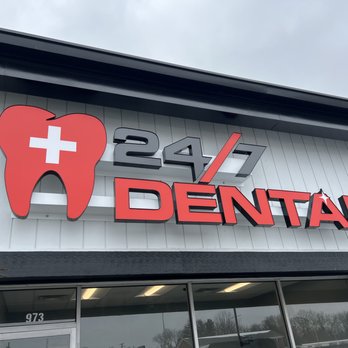
Finding 24/7 Dental Services Near You
Finding emergency dental care can feel overwhelming, but resources exist. Online directories like Meet My Dentist help you find local dentists offering 24/7 services. You can also search Google Maps for 'emergency dentist near me,' but always verify their hours.
Contacting your regular dentist is also helpful. Many have on-call arrangements for emergencies, offering patients direct care outside regular hours. However, 24/7 availability varies by location; rural areas may have fewer options than larger cities.
Don't rely only on online information. Call the dentist's office to confirm emergency services and hours, especially for urgent situations. Ask about their after-hours protocol and what to expect upon arrival. Preparation can reduce stress during a difficult time.
- Use online directories like Meet My Dentist
- Search Google Maps for 'emergency dentist near me'
- Contact your regular dentist for on-call arrangements
What to Expect During an Emergency Visit
An emergency dental visit differs from routine checkups. Be ready to answer questions about your pain, the injury's cause, and your medical history. The dentist needs a full picture for accurate diagnosis and treatment. Describe your symptoms specifically; don't minimize them.
A thorough mouth examination will follow, often including x-rays to assess damage or infection extent. These images help dentists identify underlying issues. They will evaluate your teeth, gums, and surrounding tissues for the best treatment. Expect some discomfort during the exam, especially if your mouth is sensitive.
Immediate emergency treatment focuses on pain relief and stabilizing the situation. This could include a temporary filling, a root canal for infection, or stitches for a wound. Emergency care is often a temporary solution; further treatment may be needed for full oral health restoration. Follow-up appointments are usually necessary.
Cost of After-Hours Dental Care
Emergency dental care usually costs more than routine appointments due to after-hours service, urgency, and potential complexity. Costs vary significantly by location, time of day, and the specific procedure.
Cost factors include dentist fees, treatment complexity, and necessary medications or materials. A simple repair, like a re-cemented filling, costs less than a root canal or extraction. Ask for a detailed estimate before treatment, outlining all costs.
Insurance coverage for emergency dental care varies by plan. Some cover emergencies like regular appointments, while others have higher co-pays or deductibles. Contact your insurance provider to understand your coverage. Payment plans or financing may also be available.
- Ask for a detailed cost estimate before treatment.
- Check your insurance coverage for emergency dental care.
- Inquire about payment plans or financing options.
Preventing Dental Emergencies
While emergencies happen unexpectedly, many are preventable with proactive oral care. Regular dental checkups, at least twice a year, help identify and address potential problems before they escalate. These visits allow your dentist to detect early signs of decay, gum disease, and other issues.
Brushing twice daily and flossing daily are the foundation of preventative care. These habits remove plaque and bacteria, reducing the risk of cavities and gum disease. Use fluoride toothpaste to strengthen enamel and protect against decay. Clean your tongue too.
undefined that can damage your teeth is another simple yet effective preventative measure. A little prevention truly goes a long way in maintaining a healthy smile.
Pediatric Dental Emergencies: A Special Case
Dental emergencies in children require a slightly different approach. Common issues include knocked-out baby teeth, injuries to the mouth from falls, and toothaches. While a knocked-out baby tooth typically doesn’t need to be replanted, it’s still important to have it examined by a dentist to ensure no damage occurred to the underlying permanent tooth.
Injuries to the mouth can range from minor cuts and bruises to more serious fractures. It’s crucial to assess the severity of the injury and seek immediate dental care if there’s significant bleeding, swelling, or pain. Toothaches in children can be caused by a variety of factors, including decay, infection, or teething.
Finding a dentist experienced in pediatric care is essential. Pediatric dentists are specifically trained to handle the unique dental needs of children and create a comfortable and reassuring environment. They can provide appropriate treatment and guidance to ensure your child’s oral health is protected. Always follow a dentist's professional advice regarding your child’s dental health.
Resources and Further Help
For more information on dental health and emergency care, the American Dental Association (ADA) website () is an excellent resource. You can also find valuable information and resources on your state dental association’s website.
Meet My Dentist offers a comprehensive directory of dentists in your area, making it easy to find a qualified professional who can meet your needs. Remember, prompt professional care is crucial for any serious dental issue. Don’t hesitate to seek help if you’re experiencing pain or discomfort.
Taking care of your dental health is an investment in your overall well-being. By understanding when to seek emergency care and practicing preventative measures, you can protect your smile for years to come. Prioritizing your oral health is a decision you won’t regret.
Emergency vs. Routine: A Quick Guide
| Symptom | Emergency? | What to Do |
|---|---|---|
| Severe pain | Yes | Seek immediate dental care. Contact an emergency dentist or visit an urgent care facility. |
| Minor chip | No | Schedule an appointment with your regular dentist at your earliest convenience. |
| Lost filling | Yes | Contact a dentist as soon as possible to prevent further damage and sensitivity. |
| Bleeding gums | No | Improve your oral hygiene routine. If bleeding persists, schedule a check-up with your dentist. |
| Swelling | Yes | This could indicate an infection. Seek immediate dental or medical attention. |
| Knocked-out tooth | Yes | Contact an emergency dentist immediately. Time is critical; prompt treatment can increase the chance of saving the tooth. |
Illustrative comparison based on the article research brief. Verify current pricing, limits, and product details in the official docs before relying on it.
No comments yet. Be the first to share your thoughts!