

Start your search with Meet My Dentist
Finding a dentist for an emergency or a child requires more than a quick phone call. You need a provider who is currently accepting new patients, has verified credentials, and operates in your immediate vicinity. Meet My Dentist serves as the central tool for this specific search, aggregating verified local dental practices to filter for emergency availability and pediatric expertise.
The platform simplifies the initial vetting process by focusing on concrete local provider criteria. Instead of sifting through generic directories, you can identify offices that specialize in the exact care you need right now. This direct approach helps you bypass practices that are fully booked or lack the specific equipment required for urgent pediatric procedures.
By starting your search on Meet My Dentist, you establish a baseline of qualified local providers. This foundation allows you to evaluate specific practices based on their actual service offerings and location, rather than relying on broad, unverified reviews. It is the most efficient first step in securing reliable dental care when time and trust are critical.
Compare top-rated local dental teams
Choosing a dentist is a long-term commitment that affects your overall health. Whether you need emergency care or routine pediatric checkups, the quality of the team matters as much as the individual provider. You should evaluate practices based on three concrete criteria: clinical credentials, specific experience with your needs, and verified patient feedback.
The following comparison table breaks down what to look for when vetting local dental practices. Use these benchmarks to filter providers on platforms like Meet My Dentist or through direct research.
| Evaluation Criteria | What to Verify | Why It Matters |
|---|---|---|
| Credentials & Licensure | Active state license, board certification, and continuing education hours | Ensures the dentist meets current legal and clinical standards for safety and efficacy. |
| Specialized Experience | Years treating specific conditions (e.g., pediatric anxiety, complex implants) | Niche experience leads to faster, less painful procedures and better long-term outcomes. |
| Patient Reviews & Transparency | Recent reviews on Google, Yelp, or the practice site; response to negative feedback | Reflects real-world patient satisfaction, communication style, and office culture. |
| Emergency Protocols | Clear after-hours contact, same-day availability, and clear triage steps | Critical for urgent care; reduces stress and prevents complications during dental emergencies. |
When reviewing specific teams, look for practices that highlight their leadership. For example, Dr. Joshua Blake and Dr. Tom Pinnavaia at My Dentists Implants and Aesthetics combine expertise in implants and aesthetics, signaling a team capable of handling complex restorative work. Similarly, long-standing team members like Tammy at Smile Ellicott City, who has over three decades of experience, often indicate a stable, experienced support staff that contributes to patient comfort.
Always verify credentials directly with your state’s dental board. Online reviews provide insight into the patient experience, but licensure records confirm the legal right to practice. Combining these data points helps you select a local dental team that is both qualified and aligned with your specific care needs.
Essential tools for home dental care
Maintaining oral health between professional cleanings requires a consistent routine and the right equipment. The American Dental Association emphasizes that brushing twice daily with fluoride toothpaste and flossing once a day are the foundational steps for preventing cavities and gum disease. While professional care from providers like My Dentist of Fort Lauderdale handles the heavy lifting of deep cleaning and diagnosis, your daily regimen is what sustains that health.
Investing in quality home care tools can significantly impact the longevity of your smile. Below are recommended products that align with professional standards for effective plaque removal and gum protection.


As an Amazon Associate, we may earn from qualifying purchases.
These products are selected for their ability to support the clinical work done during your visits. Using an electric toothbrush, for instance, often provides a more consistent clean than manual brushing, especially for patients with limited dexterity. Similarly, floss picks or water flossers can help reach areas that a standard toothbrush cannot, reducing the risk of gingivitis between scheduled appointments.
When to seek emergency dental care
Distinguishing between routine discomfort and a true dental emergency is critical for determining how quickly you need to see a provider. While a lost filling or mild sensitivity can often wait for a scheduled appointment, certain symptoms require immediate local intervention to prevent permanent damage or systemic infection.
Call your local dentist or seek urgent care immediately if you experience any of the following:
- Severe, unrelenting pain: Pain that prevents sleep or is not relieved by over-the-counter medication often signals an abscess or nerve damage.
- Swelling in the face or jaw: Swelling can indicate a spreading infection that may compromise your airway or spread to other parts of the body.
- Knocked-out tooth: If a tooth is completely displaced, handle it by the crown (not the root), rinse it gently, and try to reinsert it or keep it moist in milk or saliva. Time is the most critical factor in saving the tooth.
- Uncontrolled bleeding: Bleeding that does not stop after applying pressure for 10–15 minutes requires professional attention.
When evaluating local providers, prioritize clinics that explicitly list emergency services in their hours. Many general practices refer complex trauma cases to oral surgeons, so confirming their capability to handle your specific symptom over the phone can save valuable time during a crisis.
Preparing your child for their first visit
A positive first dental experience sets the tone for a lifetime of oral health. The goal is not just a cleaning, but building trust between the child, the parents, and the provider. According to the American Academy of Pediatric Dentistry (AAPD), the first visit should occur by age one or within six months of the first tooth erupting. This early visit is primarily educational, focusing on risk assessment and parental guidance rather than extensive treatment.
To reduce anxiety, frame the appointment as a routine check-up, similar to a doctor's visit. Avoid using words like "drill" or "shot," which can trigger fear. Instead, use neutral terms like "counting teeth" or "checking for cavities." Consistency in language helps children feel secure. If your child has a favorite toy or blanket, encourage them to bring it for comfort during the examination.
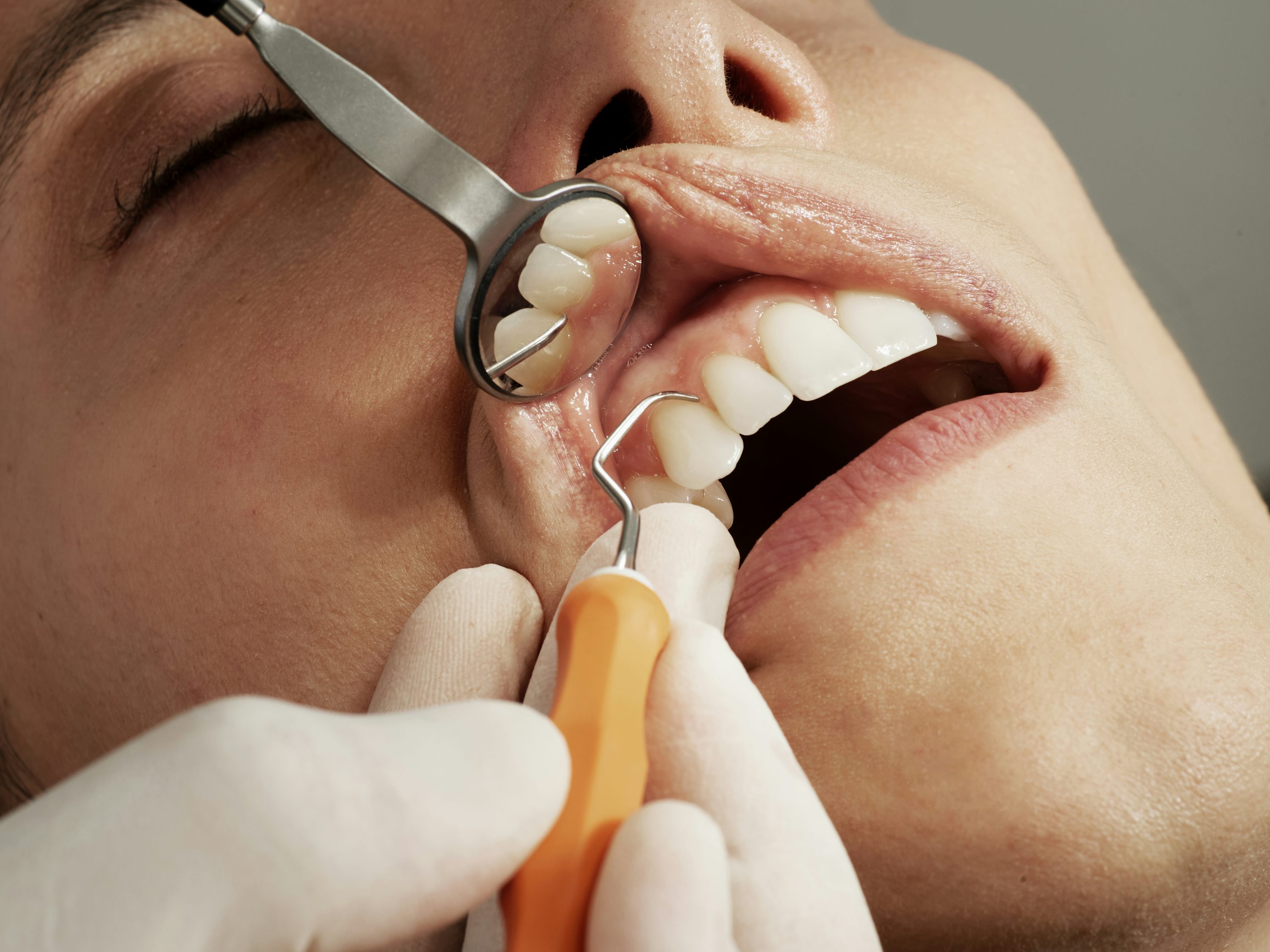
Brush your child’s teeth together before the appointment. Let them watch you brush your own teeth, demonstrating that it is a normal, non-threatening daily habit. This visual modeling helps demystify the process and reduces the unknown factor that often causes anxiety in young children.
Use children’s books that feature friendly dentists to explain what will happen. Stories normalize the experience and introduce concepts like "counting teeth" or "cleaning sugar bugs." This narrative preparation gives children a mental script for the visit, making the actual appointment feel familiar rather than surprising.
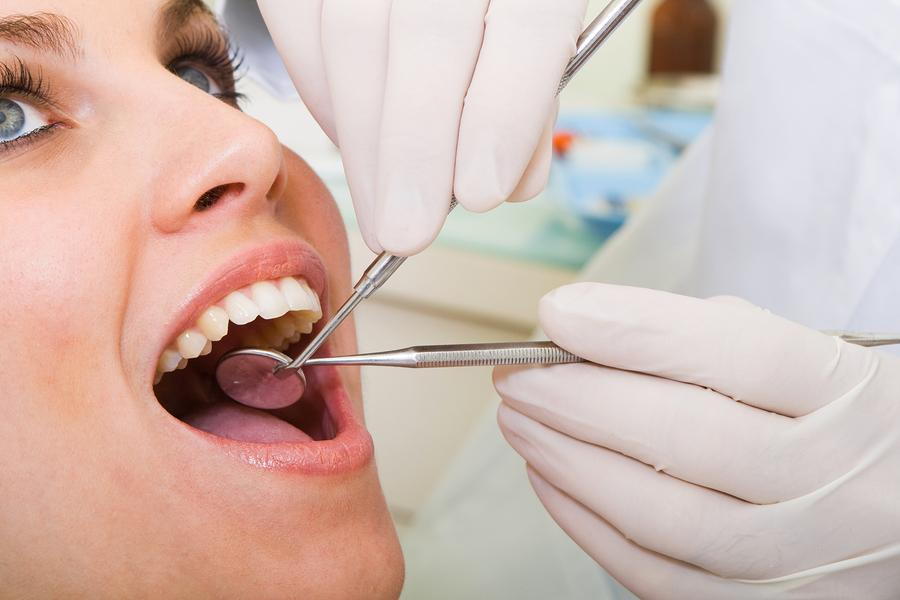
Use Meet My Dentist to find a provider who specializes in pediatric care. Pediatric dentists are trained in child psychology and behavior management, creating an office environment designed to be welcoming and non-intimidating. Look for offices with specific child-sized equipment and positive reviews from other parents regarding their child’s comfort level.
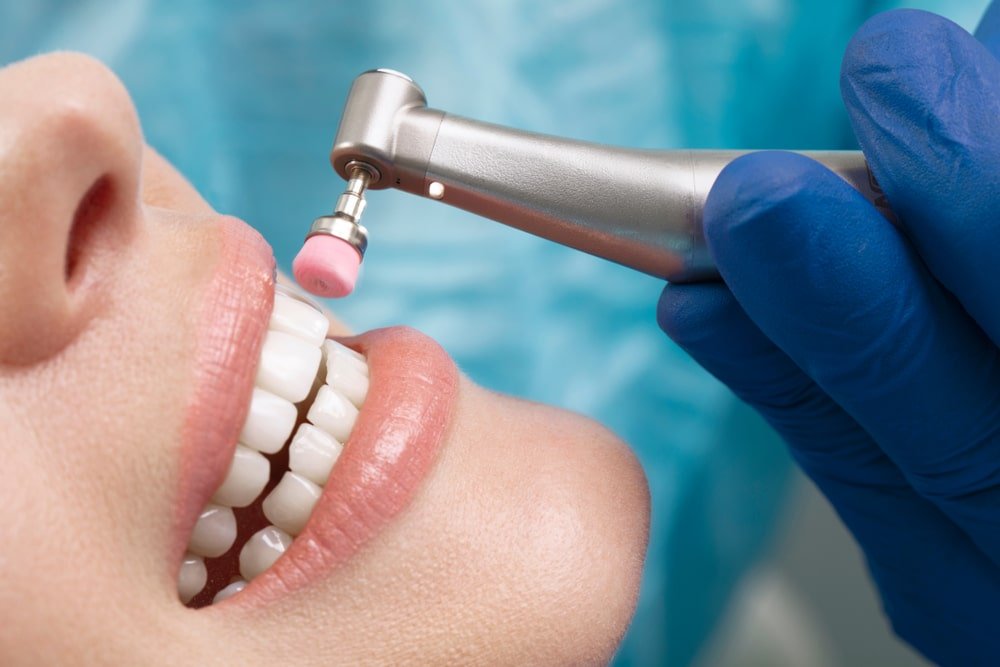
Discuss the visit calmly and briefly before leaving for the office. Avoid lengthy explanations or asking your child if they are "scared," as this can reinforce anxiety. Instead, express excitement about seeing their new "tooth friend." Keep conversations light and focused on the outcome, such as getting a sticker or a new toothbrush, rather than the procedure itself.
By focusing on preparation and choosing the right provider, you transform a potentially stressful event into a positive milestone. This approach ensures your child views dental care as a normal part of health maintenance, laying the groundwork for consistent preventive care in the years to come.
Common questions about local dental care
Finding the right provider often requires answering specific questions before you book an appointment. The following answers address frequent concerns regarding specialized treatments, medication, and financial accessibility.
No comments yet. Be the first to share your thoughts!