

Virtual Dental Visits: A New Option
Seeing a dentist used to mean scheduling an appointment, traveling to an office, and sitting in a chair. That’s changing. Telehealth dentistry, or teledentistry, offers a convenient alternative for certain dental needs. It doesn’t replace your regular dentist but expands access to care and offers a new way to get advice and preliminary assessments.
A telehealth dental consultation is a virtual appointment with a dentist using video conferencing. It allows for visual examinations, discussion of concerns, and basic diagnoses. You won’t receive a cleaning or have a cavity filled remotely, as those require hands-on care.
Convenience is a major draw. It’s ideal for people with busy schedules, limited mobility, or those in areas with limited dental care access. It’s effective for certain situations. It helps triage care: can this be managed at home, or is an in-person visit needed?
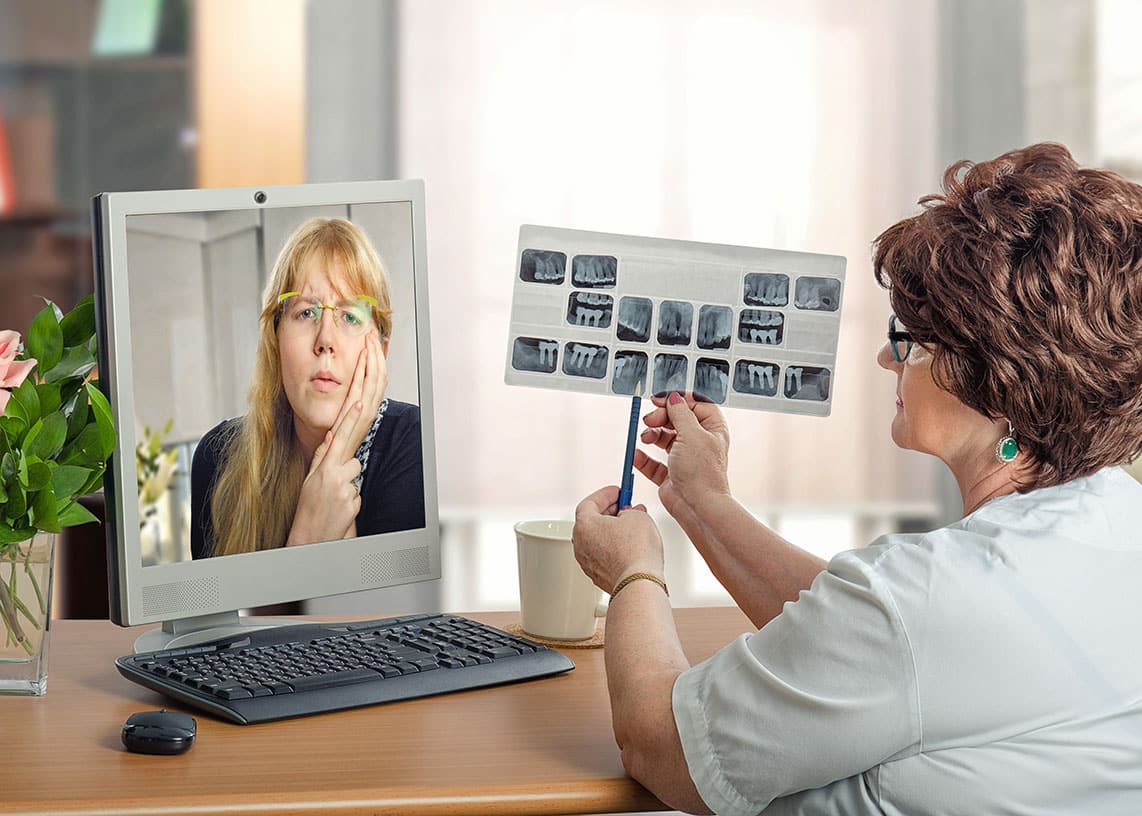
What Can a Virtual Dental Checkup Actually Do?
Telehealth dentistry is versatile. Dentists can use a secure video connection to visually assess gum inflammation, chipped teeth, or orthodontic treatment progress. They can also provide preliminary diagnoses for potential cavities, though X-rays are usually needed to confirm. The TeleDentists, for example, offers 24/7 online virtual dental services.
Post-operative check-ins are another good use. A dentist can assess your healing after a procedure, answer questions, and identify potential complications. They can also review medications, ensuring you understand dosage and side effects. It’s a quick way to check in without traveling.
Telehealth can provide emergency triage. If you’re experiencing severe pain or have a dental injury, a virtual consultation can help determine if you need to go to the emergency room or wait for an in-person appointment. A virtual visit isn’t appropriate for all situations. Active bleeding, severe trauma, or a suspected infection always require immediate in-person care.
Is Teledentistry Safe and Legal?
Patient privacy and data security are paramount in healthcare, and teledentistry is no exception. Dentists offering virtual consultations must comply with HIPAA regulations, which outline strict standards for protecting sensitive patient information. This means using secure video conferencing platforms and robust data encryption protocols.
According to telehealth.hhs.gov, federal guidelines emphasize secure communication and data handling in telehealth services. They also address complex issues like licensure and interstate practice.
The legal landscape surrounding teledentistry varies by state. Regulations regarding what services can be provided remotely and who can provide them differ. Always confirm your dentist is licensed to practice teledentistry in your state.
Finding Dentists Offering Virtual Consults
Meet My Dentist helps you find Local Dentists who offer telehealth appointments. Unlike a general Google search, our platform lets you filter results based on the services you need, including virtual consultations.
To find a dentist offering telehealth, enter your location and select the 'Telehealth' filter. You can also refine your search by specialty (e.g., general dentistry, orthodontics) to find a dentist with the expertise you need. We provide detailed profiles for each dentist, including services, experience, and patient reviews.
Meet My Dentist offers advantages over other search methods. We verify dentist credentials and ensure they are in good standing. Our comprehensive database increases the likelihood of finding a dentist who meets your specific needs. We connect you with qualified professionals offering services like virtual dental consultation.
Preparing for Your First Virtual Appointment
Prepare for a virtual dental appointment by ensuring a reliable internet connection and a device with a functioning camera and microphone. A stable connection is crucial for a clear video feed.
Find a well-lit, private space where you won’t be interrupted. Good lighting is essential for the dentist to see your mouth clearly. Having a flashlight and a small mirror handy can help the dentist get a better look.
Have any relevant medical history readily available, including your current medications, allergies, and previous dental treatments. Being prepared helps the dentist provide the best possible care and makes the appointment more efficient.
- Ensure a stable internet connection
- Find a well-lit, private space
- Have medical history available
- Gather a flashlight and mirror
Cost and Insurance Coverage
The cost of a telehealth dental consultation varies by dentist and services. They are often less expensive than traditional in-person visits due to lower dentist overhead costs. Prices can range from $50 to $150 or more for a consultation.
Insurance coverage for teledentistry is evolving. More insurance providers are covering virtual dental consultations, but coverage varies widely by plan. Check with your insurance provider to confirm whether telehealth visits are covered and what your out-of-pocket costs will be.
Some dentists offer a cash price for telehealth consultations, a good option if you don't have insurance or if your insurance doesn't cover these services. Ask about all costs upfront to avoid surprises.
Teledentistry and Emergency Dental Care
Telehealth is a valuable tool for emergency dental triage. If you're experiencing a dental emergency, a virtual consultation can help determine the situation's severity and whether you need immediate in-person care. A dentist can assess your symptoms and provide guidance on managing pain or injury.
However, it's crucial to understand that telehealth is not a substitute for emergency care in serious situations. If you're experiencing severe bleeding, a broken jaw, or a suspected infection, you should go to the emergency room immediately. Resources like the American Dental Association website can help you locate emergency dental services in your area.
Think of telehealth as a first step. It can help you avoid unnecessary trips to the emergency room, but it shouldn't delay essential treatment when it's truly needed.
The Future of Virtual Dental Care
The field of teledentistry is still relatively new, but it has the potential to revolutionize the way we access dental care. As technology advances, we can expect to see even more innovative applications of telehealth in dentistry. AI-powered diagnostics and remote monitoring could become commonplace.
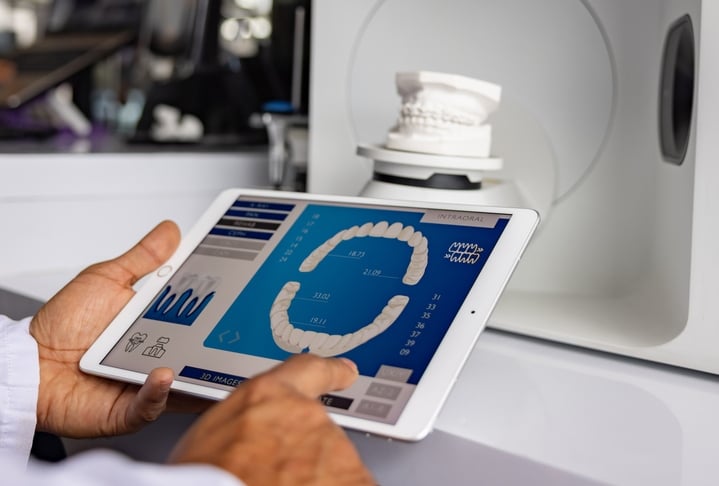
For example, imagine a future where a handheld device can scan your mouth and transmit images to your dentist for remote analysis. Or a wearable sensor that monitors your oral health and alerts you to potential problems. These are just a few of the possibilities.
Virginia Commonwealth University (VCU) School of Dentistry is actively researching and developing teledentistry solutions, demonstrating a commitment to advancing this field. While the future is uncertain, it’s clear that virtual dental care is here to stay and will likely play an increasingly important role in maintaining oral health.
Future Teledentistry Trends
- AI-Powered Diagnostics - Emerging technologies are exploring the use of artificial intelligence to assist in preliminary dental assessments from remotely submitted images and patient data.
- Remote Monitoring Devices - Development of devices allowing patients to capture intraoral images or other relevant data at home for dentist review is an area of ongoing innovation.
- Wearable Health Integration - Potential exists for integrating dental health data with broader health tracking via wearable devices, providing a more holistic view of patient well-being.
- Expanded Insurance Coverage - As teledentistry gains acceptance, advocacy efforts are underway to broaden insurance coverage for virtual dental consultations.
- Enhanced Diagnostic Software - Companies like Dexis are continually updating their software (including their Dexis V6 platform) to improve image quality and diagnostic capabilities, potentially aiding remote assessments.
- Improved Security Protocols - With increased data transmission, strengthening HIPAA compliance and ensuring secure virtual communication platforms are critical for teledentistry’s continued growth.
- Specialty-Specific Applications - Teledentistry is expanding beyond general dentistry, with growing applications in areas like orthodontics for remote monitoring of treatment progress.


No comments yet. Be the first to share your thoughts!