
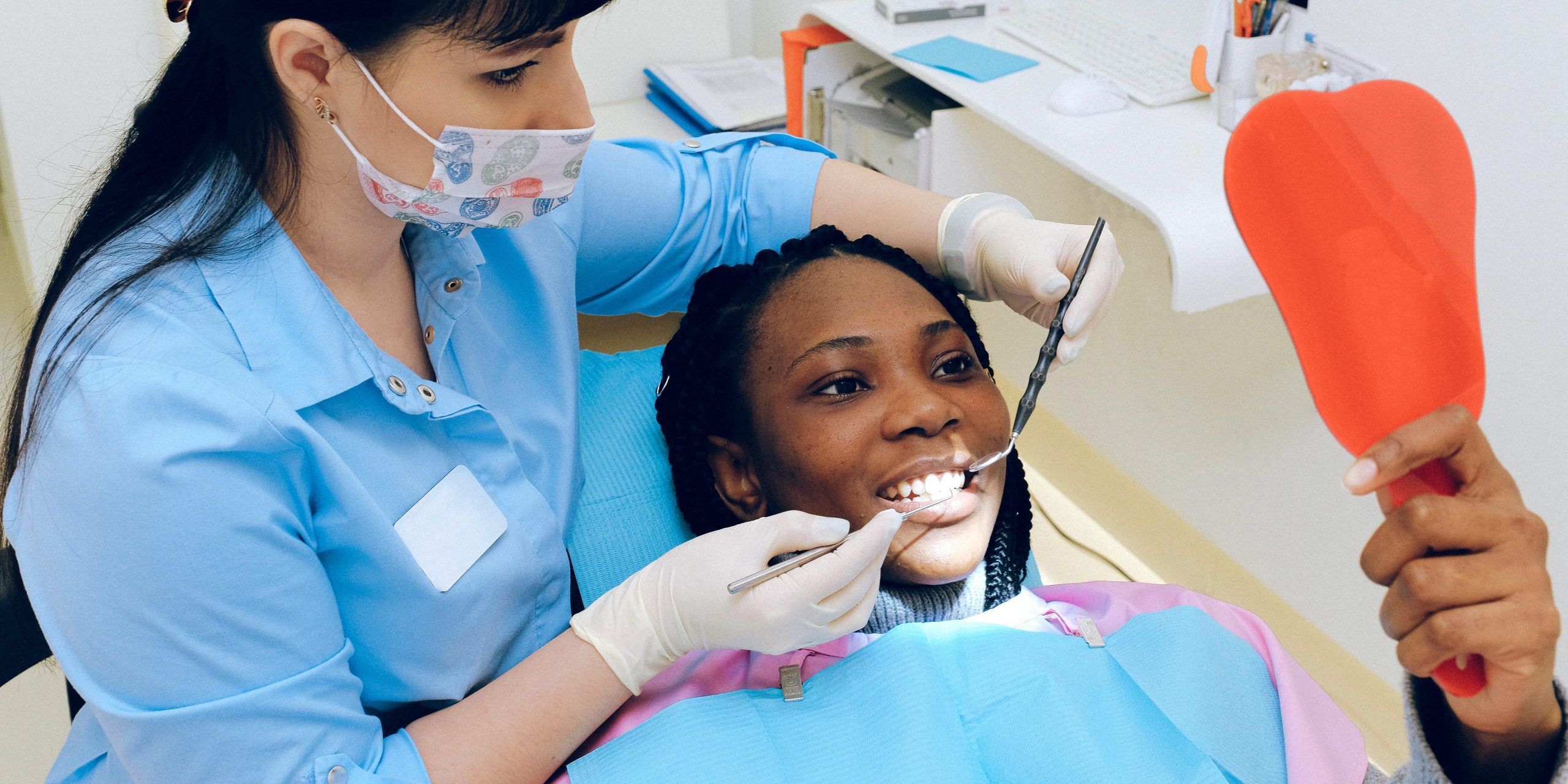

Why local care matters for families
Finding a trusted dentist is less about the nearest address and more about building a long-term health partnership. For families, this relationship starts with routine checkups but becomes critical during unexpected emergencies or complex pediatric needs. A local provider who knows your child’s dental history can spot early signs of decay or alignment issues before they become painful procedures. This continuity of care reduces anxiety for children and gives parents peace of mind when urgent issues arise after hours.
The "Meet My Dentist" approach emphasizes vetting providers who specialize in family dynamics. Not all general dentists are equipped to handle the specific behavioral or medical needs of young children. By prioritizing local practices that explicitly advertise pediatric expertise, you ensure your family receives care tailored to developmental stages. This targeted approach prevents the need for referrals to distant specialists, keeping treatment local, consistent, and comfortable.
Reliability is the cornerstone of local dental care. When you establish a relationship with a neighborhood practice, you gain access to streamlined communication, easier scheduling for school absences, and immediate access to records during emergencies. This proximity transforms dental visits from a chore into a manageable part of your family’s health routine, ensuring that preventive care remains the focus rather than reactive fixes.
Evaluating pediatric and emergency credentials
When you visit a provider like Meet My Dentist, you are looking for more than just a friendly face. You need a clinician who can handle the full spectrum of dental needs, from routine cleanings to unexpected crises. Pediatric and emergency credentials are the two most critical indicators of a dentist's readiness to care for a family safely.
Pediatric Care Qualifications
Children are not just small adults; their developing teeth and jaws require specialized handling. A dentist who excels with adults may lack the specific training needed to manage a fearful child or a complex pediatric case. Look for providers who have completed additional training in pediatric dentistry or who demonstrate a clear, documented approach to child-friendly care. This includes using age-appropriate language, managing anxiety without sedation when possible, and understanding the nuances of primary versus permanent teeth. If a practice claims to be family-oriented, ask specifically about their experience with children under five and those with special needs.
Emergency Readiness and Protocols
Dental emergencies, such as a knocked-out tooth or severe infection, do not wait for business hours. A qualified dentist must have a clear protocol for handling these situations. This includes having on-call availability, partnerships with local hospitals for complex trauma, and the necessary equipment to stabilize a patient immediately. Without these safeguards, a minor issue can escalate into a serious health risk. Verify that the provider offers emergency appointments and has a transparent policy on after-hours care.
Why Credentials Matter
Choosing a dentist with strong pediatric and emergency credentials is an investment in long-term safety. It ensures that your family is protected against preventable complications and that you have a trusted provider in high-stress situations. When evaluating potential dentists, prioritize those who can clearly articulate their training and emergency protocols. This due diligence separates a routine clinic from a comprehensive care provider.
Comparing office environments and services
Choosing a dentist involves more than checking credentials; it requires matching a practice’s service breadth and atmosphere to your specific needs. Some offices specialize in comprehensive family care, while others focus on cosmetic enhancements or emergency interventions. Understanding these differences helps you find a provider who aligns with your lifestyle and health priorities.
The "Meet My Dentist" approach emphasizes personal connection alongside clinical capability. When evaluating local providers, consider whether their office culture feels welcoming and whether they offer the specific treatments you anticipate needing, from routine cleanings to specialized procedures like sedation or implants.
The table below compares service offerings across three representative local practices. Use this as a framework to ask questions during your initial consultation, ensuring the office environment supports your long-term dental health.
| Service Category | My Dentist (FT Smith) | My Dentist (Port St. Lucie) | MyDental (Fargo) |
|---|---|---|---|
| Family & General Care | Yes | Yes | Yes |
| Cosmetic Dentistry | Yes | Yes | Yes |
| Emergency Services | Not specified | Yes | Not specified |
| Pediatric Care | Not specified | Yes | Yes |
| Implants & Sedation | Not specified | Not specified | Yes |
Essential tools for dental health at home
A trusted dentist provides the expertise and professional care needed for a healthy smile, but the foundation of that health is built daily at home. The tools you choose for your routine are just as important as the provider you select. Investing in quality equipment ensures you can effectively maintain the results of your professional visits.
Choosing the right supplies doesn't mean buying the most expensive options. It means selecting items that align with your specific oral health needs. Whether you need gentle care for sensitive teeth or a thorough clean for deep plaque removal, the right tools make the difference between a chore and a habit.
The following recommendations focus on proven, high-quality products that complement professional dental care. These items are selected for their reliability and effectiveness in daily use.

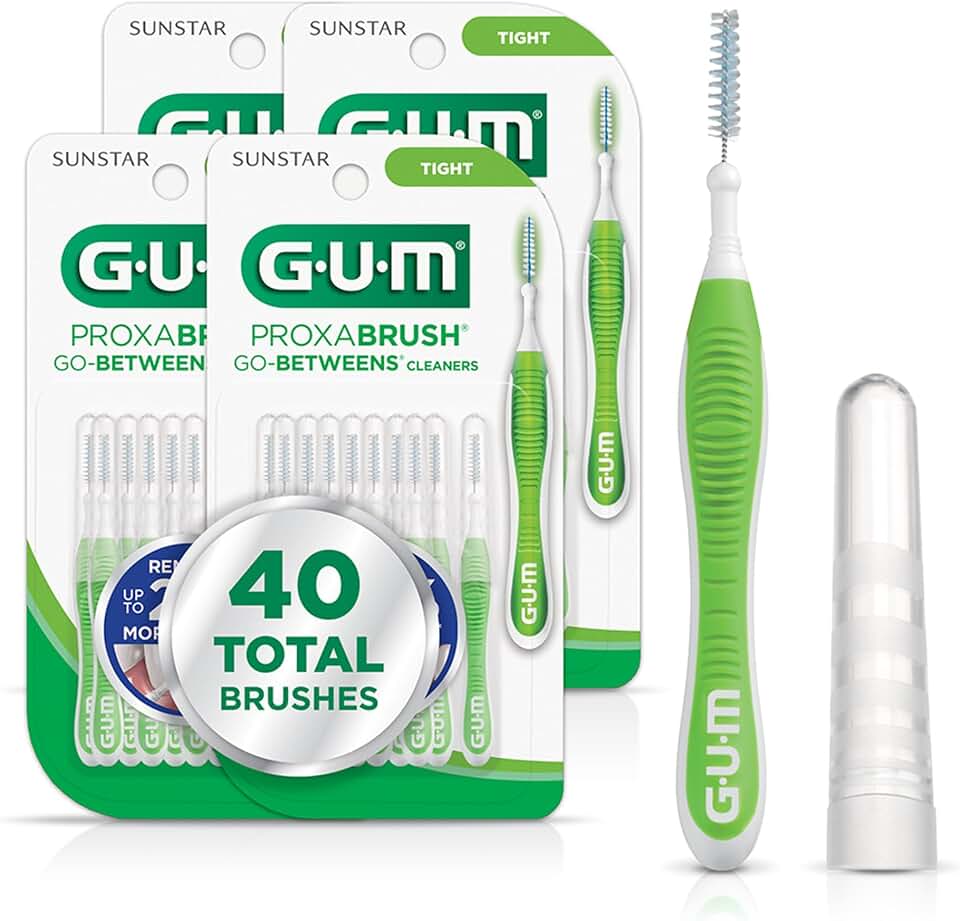


As an Amazon Associate, we may earn from qualifying purchases.
Questions to ask during your first visit
The initial consultation is less about clinical procedures and more about establishing a long-term partnership. Your goal is to determine if the dentist’s philosophy aligns with your family’s needs for comfort, prevention, and clear communication. Treat this meeting as an interview where you evaluate their responsiveness to your concerns.
Start by asking about their approach to preventive care and how they handle anxiety. A trustworthy provider should explain their sterilization protocols and emergency procedures without hesitation. Pay attention to whether they listen actively or rush through the conversation. Their willingness to answer these foundational questions often predicts the quality of care you will receive in future visits.

Ask how they balance restorative work with preventive education. Do they recommend treatments immediately or offer a second opinion option? A good dentist explains the "why" behind every recommendation, ensuring you understand the necessity and alternatives before consenting to any procedure.
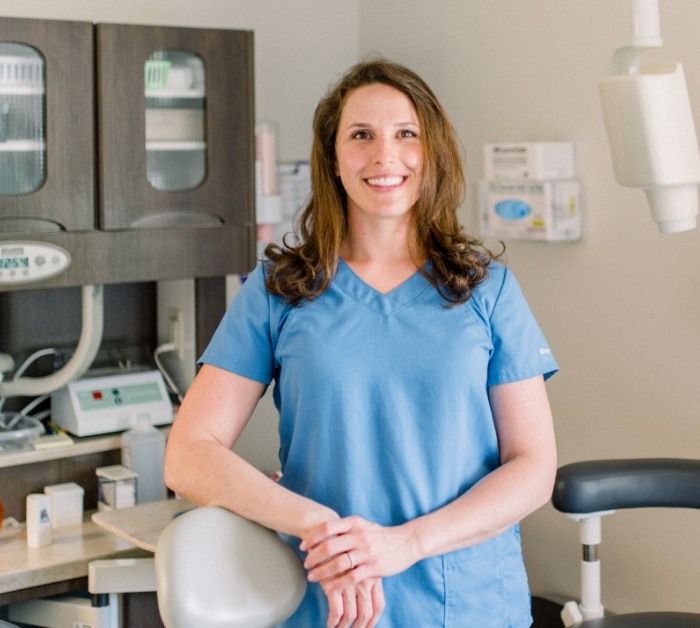
Dental issues rarely follow a schedule. Ask specifically about their protocol for urgent situations outside of business hours. Do they have an on-call service, or do they direct patients to the ER? Knowing this in advance reduces stress and ensures your family receives timely care when it matters most.

Transparency in billing is a sign of professional integrity. Ask if they accept your insurance plan directly and what their payment options are for uncovered services. A clear explanation of costs prevents surprise bills and helps you plan for both routine checkups and potential restorative needs.
Common questions about local dental care
Finding the right provider often raises specific concerns. Below are answers to frequent questions about care scope and specialized treatments.
Can dentists help with sleep apnea?
Dentists are often the first line of defense against sleep apnea. They can identify early signs, recommend sleep studies, and provide custom oral appliances to improve breathing and reduce snoring.
What is the difference between emergency and routine care?
Routine care focuses on prevention through cleanings and exams. Emergency care addresses immediate issues like severe pain or trauma. Local practices typically offer both to ensure quick access when needed.
How do I find a pediatric-friendly dentist?
Look for providers who specialize in children’s care. They use child-friendly environments and techniques to make visits comfortable. Check reviews from other parents to gauge their approach.
Are local dentists covered by insurance?
Most local practices accept major insurance plans. Call ahead to verify coverage and any out-of-pocket costs. Many offices also offer flexible payment options for uninsured patients.
No comments yet. Be the first to share your thoughts!