

The Changing Face of Pediatric Dental Care
Pediatric dentistry has transformed recently, shifting from fixing problems as they arise to a focus on prevention. Early intervention is emphasized, starting even before a child’s first tooth erupts. This shift reflects a deeper understanding of how oral health impacts a child’s overall well-being.
Parents are more proactive and informed about dental care, asking more questions, researching options, and seeking specialists who prioritize a gentle, preventative approach. This drives demand for comfortable experiences and less invasive treatments. The expectation is now a partnership focused on lifelong oral health, not just a "quick fix."
Technology plays a role. Digital x-rays reduce radiation exposure, and new materials offer stronger restorations. The core change is a mindset prioritizing prevention and early detection to minimize extensive treatment. This trend will likely continue.
Teledentistry's Growing Role
The pandemic accelerated teledentistry adoption, and it’s a trend that’s here to stay. Teledentistry offers a convenient way to access certain dental services remotely, including initial consultations, post-operative check-ins, and guidance on oral hygiene techniques.
For parents, benefits include reduced time off work or school, easier access to care, and quick answers to questions. It’s valuable for families in rural areas with limited pediatric dentist access. However, teledentistry has limitations; a physical examination is still necessary for comprehensive assessment and many treatments.
Insurance coverage for teledentistry varies. Some plans cover virtual consultations fully, while others offer limited or no coverage. Regulations are evolving, with states establishing rules for remote services. Teledentistry may bridge access gaps for families facing transportation or financial barriers.
myKIDSdds in Dallas, TX, offers new patient appointments and can be reached at (469) 315 9112. (Source: Yelp, April 2026)
Looking for a local pediatric dentist near you? Tooth Haven Pediatric Dentistry in Ankeny offers gentle care, preventive treatments, and a kid-friendly environment. Call (515) 344-3690 or visit https://t.co/6uS3m2IGWk#DentistNearMe #KidsDentistAnkeny #ToothHavenPediatric pic.twitter.com/maCXFg3qor
— Tooth Haven Clinic (@THavenPediatric) April 13, 2026
Early Orthodontic Assessment & Intervention
Earlier orthodontic evaluations are becoming more common, with many dentists recommending an initial assessment around age 6 or 7. The goal is to identify potential issues like crowding, misalignment, or bite problems early, allowing for more effective and less invasive treatment options.
Early intervention can involve monitoring the situation closely or using appliances like space maintainers to prevent teeth from shifting, or palatal expanders to create more room. The goal is to guide jaw and teeth growth and development, minimizing the need for more extensive orthodontic treatment later.
Addressing these issues early can improve bite function, reduce the risk of tooth decay and gum disease, and enhance a child’s self-esteem. Early intervention means informed monitoring and proactive management, not always immediate treatment. The aim is to avoid unnecessary treatment while addressing potential problems before they become more serious.
The team at myKIDSdds in Dallas, TX, provides pediatric dentistry and orthodontic services. They can be reached at (214) 696 3082 for orthodontics. (Source: myKIDSdds website)
Silver Diamine Fluoride: A Non-Invasive Option
Silver Diamine Fluoride (SDF) is a non-invasive treatment for early childhood caries (cavities). Applied directly to the affected tooth, SDF stops decay progression and strengthens enamel. It’s useful for young children too anxious or uncooperative for traditional fillings.
The biggest drawback of SDF is staining, causing permanent black discoloration of decayed areas. This isn’t a concern for baby teeth but can be a cosmetic issue for permanent teeth. SDF is most appropriate for children with extensive decay, those who are very young, or those with special healthcare needs.
Parents often have concerns about SDF safety. It contains silver, but the amount used is small and considered safe by the American Academy of Pediatric Dentistry. Discuss the pros and cons with your dentist to make an informed decision. SDF isn't a cure-all; it needs to be combined with good oral hygiene and regular dental checkups.
Minimally Invasive Dentistry Techniques
Minimally invasive dentistry (MID) techniques are increasingly popular in pediatric care, prioritizing the preservation of natural tooth structure. Examples include air abrasion, which uses air and abrasive particles to remove decay, and laser dentistry, which uses focused light energy to remove damaged tissue.
Resin infiltration is another MID technique, applying a liquid resin to microscopic enamel pores to strengthen and protect the tooth. Compared to traditional fillings, MID techniques require less drilling and anesthesia, leading to a more comfortable experience for the child.
Preserving more natural tooth structure with MID techniques can improve the long-term health and stability of the tooth. However, MID techniques can be more expensive than traditional fillings and may not suit all cavity types. Discuss options with your dentist to determine the best approach for your child’s needs.
Focus on Behavioral Management
Non-pharmacological behavioral management techniques help children cope with dental anxiety by creating a positive and comfortable experience, reducing fear. Common approaches include tell-show-do, where the dentist explains each step before performing it, and positive reinforcement, where the child is praised for cooperation.
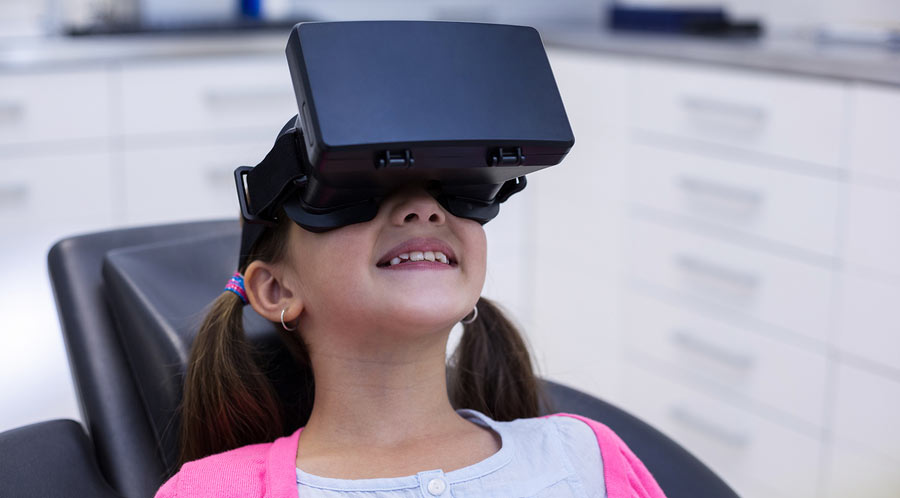
Distraction techniques, like allowing the child to watch a video or listen to music during the appointment, are effective. A child-friendly atmosphere with colorful décor and playful staff can ease anxiety. Parents play a role in preparing children for dental visits by talking positively about the experience and reassuring them.
Some children require additional support, such as nitrous oxide or sedation. The goal is to minimize the need for these interventions by utilizing behavioral management techniques first. The American Academy of Pediatric Dentistry offers guidance on managing dental anxiety in children.
Modern Pediatric Dental Care
- Teledentistry Consultations - Increasingly, dentists are offering virtual consultations for initial assessments, post-operative checks, and guidance on oral hygiene, expanding access to care.
- Silver Diamine Fluoride (SDF) - SDF is a non-invasive liquid treatment used to arrest tooth decay, particularly in young children and those with special needs. Its use is becoming more widespread as an alternative to drilling in certain cases.
- Emphasis on Early Intervention - Pediatric dentists are focusing more on preventative care starting at a very young age – even infancy – to establish good oral habits and prevent future problems.
- Laser Dentistry - While not universally adopted, laser dentistry is being used in some pediatric practices for procedures like frenectomies (releasing tongue-tie) and cavity detection, offering potentially less invasive options.
- Digital X-Ray Technology - Digital x-rays are standard in most dental offices, reducing radiation exposure for children compared to traditional film x-rays and providing immediate image viewing.
- Behavioral Management Techniques - Pediatric dentists are trained in techniques like tell-show-do, positive reinforcement, and distraction to help anxious children cope with dental treatment.
- Focus on Oral-Systemic Health - There’s a growing understanding of the connection between oral health and overall health, leading to pediatric dentists discussing diet, habits, and their impact on both.
Digital Dentistry & 3D Printing
Digital dentistry technologies are rapidly transforming pediatric dental care. Digital x-rays reduce radiation exposure compared to traditional film x-rays, and intraoral scanners create highly accurate digital impressions of the mouth, eliminating the need for messy and uncomfortable molds. These technologies improve accuracy, efficiency, and patient comfort.
3D printing is also becoming increasingly common. 3D-printed models can be used for treatment planning, allowing dentists to visualize the patient’s bite and identify potential problems. They can also be used to create custom appliances, such as aligners or retainers. This level of precision was simply not possible a few years ago.
The benefits for the child are significant. Digital x-rays are safer, digital impressions are more comfortable, and 3D-printed appliances fit better. It's easy to get caught up in the technical details, but the core principle is simple: these technologies allow dentists to provide more effective, comfortable, and personalized care. myKIDSdds, located at 8325 Walnut Hill Lane, Suite 111, Dallas, TX, is noted on Yelp as utilizing modern techniques as of April 2026.
No comments yet. Be the first to share your thoughts!