

Why Eco-Friendly Dentistry Is Gaining Traction
Traditional dentistry, while essential for oral health, carries a significant environmental footprint. Think about it – the use of disposable plastics, the energy consumed by equipment, the water usage, and the potential discharge of chemicals all contribute to environmental strain. It's a reality that's becoming increasingly clear to patients, and it's driving a demand for change. We’re seeing a real shift in consumer awareness.
Fortunately, this awareness is coinciding with a broader understanding of the connection between oral health and overall wellbeing. People are realizing that what goes into their mouths matters, not just for their teeth and gums, but for their entire system. This holistic view extends to the materials and practices used by their dentist. Patients are beginning to actively seek out options that align with their values.
However, it's important to approach claims of 'eco-friendliness' with a discerning eye. Greenwashing – the practice of misleadingly presenting something as environmentally sound – is unfortunately common. Just because a practice uses paper cups doesn't automatically make it sustainable. It takes a deeper commitment and a wider range of changes to truly reduce environmental impact. Patients need to be informed and ask the right questions.
The push for sustainable dental care isn’t just about environmental responsibility; it's also about long-term health. Reducing exposure to potentially harmful chemicals and prioritizing biocompatible materials benefits both patients and the planet. This growing awareness is shaping the future of dental practices.
What Does 'Sustainable' Even Mean in Dentistry?
A truly sustainable dental practice goes beyond simply recycling paper. It's a comprehensive approach that considers the entire lifecycle of materials and the impact of daily operations. It means minimizing waste, conserving resources, and prioritizing the health of both patients and the environment. There’s no single definition, but several core areas are consistently emphasized.
Waste reduction is a huge component. This includes minimizing single-use plastics, properly disposing of hazardous materials like amalgam, and implementing sterilization processes that don’t rely on harsh chemicals. Water conservation is also key – dental procedures require a lot of water, and finding ways to reduce consumption is vital. Energy efficiency, through the use of modern equipment and responsible energy sourcing, plays a role too.
Material selection is another critical aspect. Dentists can choose biocompatible materials – those that are safe for the body and the environment – over traditional options. Digital technology, like digital radiography, reduces the need for chemical processing. And, surprisingly, many sustainable practices are simply good business sense. Reducing waste and optimizing resource use can actually save money in the long run.
Common Sustainable Practices to Look For
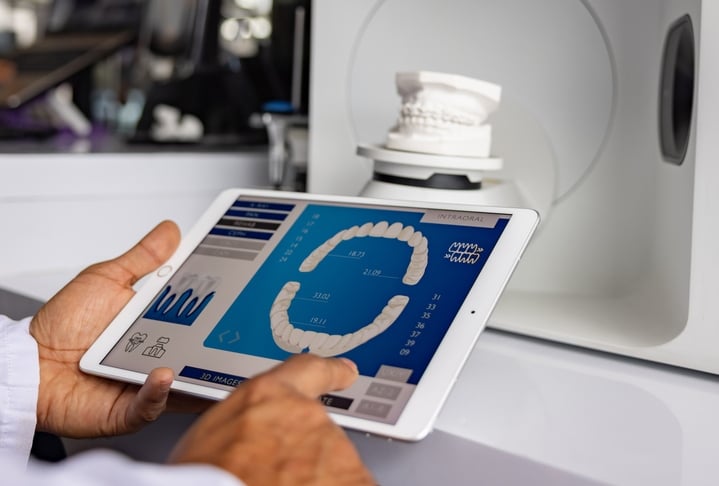
Many dentists are already implementing changes to reduce their environmental impact. Digital radiography is a prime example – it eliminates the need for developing chemicals used in traditional X-rays, reducing hazardous waste and improving image quality. It’s a win-win for the environment and patient care.
The choice of filling materials is another important consideration. Opting for ceramic or composite fillings instead of amalgam (which contains mercury) reduces the release of a potent neurotoxin into the environment and protects patient health. While amalgam is still considered safe by some regulatory bodies, many patients and dentists prefer to avoid it altogether.
Water conservation is achievable through the use of low-flow suction devices and careful water management during procedures. These devices significantly reduce water usage without compromising the quality of care. Sterilization practices are also evolving, with a move towards eco-friendly solutions that minimize the use of harsh chemicals and reduce water consumption.
Reusable materials, when appropriate, can drastically cut down on waste. This might include using reusable impression trays or sterilization pouches. And, of course, proper disposal of hazardous waste – following strict guidelines for amalgam, sharps, and other materials – is essential. Each of these practices contributes to a smaller environmental footprint.
Certifications and Associations: What to Trust
Currently, the landscape of certifications for sustainable dentistry is somewhat fragmented. There isn’t a single, universally recognized standard. This makes it challenging for patients to easily identify truly eco-friendly practices. I’m not aware of any widespread, independent auditing organizations specifically focused on dental sustainability as of late 2026.
Some dental associations are beginning to promote sustainable practices and offer guidelines, but these often fall short of formal certification. It’s more about encouraging members to adopt environmentally responsible behaviors. While these efforts are valuable, they don’t necessarily provide the same level of assurance as an independent audit.
Because of the lack of standardization, it’s crucial to do your research and ask direct questions (more on that later). Don’t rely solely on marketing claims. Look for concrete evidence of a practice’s commitment to sustainability, such as specific procedures or materials they use. It’s a bit of a 'buyer beware' situation, unfortunately.
Comparison of Potential 'Green' Certifications for Dental Practices
| Certification Name | Verification Process | Scope | Cost to Dentist | Patient Benefit |
|---|---|---|---|---|
| Green Office Certification (various levels) | Self-assessment followed by documentation review and potential site visit. | Covers energy efficiency, water conservation, waste reduction, and purchasing practices within the dental office. | Varies significantly based on level achieved; can range from a few hundred to several thousand dollars annually for ongoing compliance and recertification. | Demonstrates a commitment to environmental responsibility, potentially attracting environmentally conscious patients. |
| EcoVadis | Comprehensive questionnaire assessing environmental, social, and ethical performance, with supporting documentation. Benchmarks against industry peers. | Broad scope including environment, labor & human rights, ethics, and sustainable procurement. Applicable to all business operations, including dental practices. | Cost scales with company size and complexity; ranging from several hundred to thousands of dollars annually. | Provides a globally recognized sustainability rating, enhancing reputation and potentially opening doors to contracts with environmentally focused organizations. |
| B Corp Certification | Rigorous assessment evaluating a company’s social and environmental performance, accountability, and transparency. Requires meeting high standards across all areas of operation. | Holistic assessment covering governance, workers, community, environment, and customers. | Significant investment of time and resources; costs can range from $5,000 - $50,000+ depending on revenue and complexity. | Signals a high level of commitment to social and environmental responsibility, building trust with patients and stakeholders. |
| Dental Eco-Solutions (program, not a formal certification) | Voluntary program offering guidance and resources for implementing sustainable practices. Relies on self-reporting and best practice adoption. | Focuses specifically on dental practices, covering areas like waste management, water sterilization, and material selection. | Generally lower cost, primarily involving membership fees and potential training costs. | Provides practical tools and support for improving sustainability within a dental setting, although lacks the independent verification of a formal certification. |
| LEED (Leadership in Energy and Environmental Design) – for building design/construction | Third-party verification of green building design, construction, operation, and maintenance. Requires extensive documentation and on-site inspections. | Primarily focused on the building itself – energy efficiency, water usage, indoor environmental quality, and materials selection. | Can be substantial, dependent on the level of certification sought and the scope of the project. Costs can range from tens of thousands to hundreds of thousands of dollars. | Demonstrates a commitment to sustainable building practices, potentially reducing operating costs and improving patient comfort. |
Illustrative comparison based on the article research brief. Verify current pricing, limits, and product details in the official docs before relying on it.
Finding Eco-Friendly Dentists Near You
Meet My Dentist is a great place to start your search for a dentist, and while we don’t currently have a specific filter for "eco-friendly" practices, you can use our search tools to narrow down your options and then investigate further. Begin by searching for dentists in your area – for example, Concord, New Hampshire, as highlighted on our Concord page.
Once you have a list of potential dentists, visit their websites. Look for information about their commitment to sustainability. Do they mention using eco-friendly materials? Do they describe their waste reduction efforts? Do they highlight any certifications or affiliations with environmental organizations? This is where your detective work begins.
You can also leverage online reviews and testimonials. While not always focused on sustainability, reviews might mention a dentist’s commitment to patient health and safety, which can be a good indicator of their overall approach to care. Remember to consider multiple sources of information before making a decision.
Evaluating Dental Sustainability
- Water Conservation - Inquires about and implements strategies to reduce water usage during procedures.
- Digital Radiography - Utilizes digital X-rays, significantly reducing the need for chemical developers and fixers.
- Amalgam-Free Fillings - Offers tooth-colored composite resin or porcelain fillings as alternatives to amalgam, which contains mercury.
- Waste Management - Clearly details how dental waste (sharps, materials, etc.) is disposed of, prioritizing recycling where possible.
- Eco-Friendly Sterilization - Employs environmentally responsible sterilization methods and equipment.
- Plastic Reduction - Actively works to minimize the use of single-use plastic items like cups, suction tips, and packaging.
- Sustainable Materials - Prioritizes the use of dental materials with lower environmental impacts, considering sourcing and manufacturing.
Questions to Ask Your Dentist
Don’t be afraid to ask potential dentists direct questions about their sustainability practices. It’s your right as a patient to understand how their office operates and what steps they’re taking to protect the environment. A willingness to answer your questions honestly and transparently is a good sign.
Here are a few specific questions you could ask: 'What percentage of your practice’s waste is recycled?', 'What type of sterilization methods do you use – and are they environmentally friendly?', 'Do you use an amalgam separator to prevent mercury from entering the water supply?', 'What are your water conservation efforts during procedures?'
You can also inquire about the materials they use for fillings and crowns. 'What types of materials do you use for fillings and crowns, and are they biocompatible?', "Do you offer alternatives to amalgam fillings?" Asking about their approach to digital radiography – 'Do you use digital X-rays to reduce chemical waste?' – can also be insightful. Remember, an informed patient is an empowered patient.
The Cost of Going Green: Is it Higher?
The cost of sustainable dentistry is a valid concern for many patients. In some cases, eco-friendly materials or procedures can be more expensive upfront. For example, composite fillings often cost more than amalgam fillings. However, it’s not always a straightforward price difference.
Many dentists don’t pass the full cost of sustainable practices on to patients. They may absorb some of the expense as part of their commitment to environmental responsibility. And, in the long run, investing in preventive care – which is often a focus of sustainable practices – can actually save you money by reducing the need for more extensive (and expensive) treatments.
Ultimately, the value of sustainable dentistry extends beyond the immediate cost. It’s about investing in your health, protecting the environment, and supporting businesses that align with your values. It's a long-term investment with benefits that go beyond the dental chair.
Future Trends in Sustainable Dental Care
The field of sustainable dentistry is constantly evolving, with new technologies and practices emerging all the time. Researchers are exploring the development of biodegradable dental implants – made from materials that break down naturally in the body – which could significantly reduce waste. New biocompatible materials are also being investigated, offering safer and more environmentally friendly alternatives to traditional options.
Advancements in water purification systems could further reduce water consumption and minimize the discharge of harmful chemicals. We might also see a greater emphasis on preventative care, with a focus on educating patients about proper oral hygiene and early detection of problems. These trends have the potential to dramatically reduce the environmental impact of dentistry.
While predicting the future is always uncertain, the momentum towards sustainability is clear. As patients become more aware and demand eco-friendly options, dentists will be increasingly motivated to adopt responsible practices. The future of dentistry is looking greener – and healthier – than ever before.


No comments yet. Be the first to share your thoughts!