

When dental pain can't wait
Waking up at 3 AM with a throbbing toothache is miserable. You have to decide quickly if the pain is a true emergency or something that can wait until the morning. Usually, your body tells you the answer through the intensity of the pulse.
A real emergency involves more than just a dull ache. If a tooth is knocked out, your mouth won't stop bleeding, or you have swelling that makes it hard to swallow, you need a dentist immediately. These issues can turn into systemic infections if you ignore them.
Often, people underestimate the severity of dental issues. A persistent, severe toothache isn’t something to "tough out’ – it"s a sign something is genuinely wrong. Delaying care can lead to infection, more extensive (and expensive) treatment, and significant pain. Beyond the physical discomfort, a dental emergency can cause considerable anxiety and stress, impacting your ability to eat, sleep, and concentrate.
It’s easy to dismiss a chipped tooth as a cosmetic issue, but even seemingly minor damage can become problematic if it exposes the sensitive inner layers of the tooth. Recognizing the difference between a manageable issue and a true emergency is the first step in protecting your oral health and overall well-being.
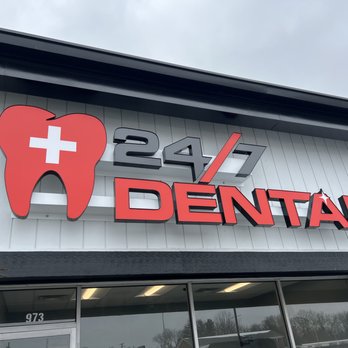
Where to find an after-hours dentist
Okay, you’ve determined it’s an emergency. Now what? Finding after-hours dental care can feel daunting, but several options exist. Traditionally, hospital emergency rooms were the go-to, but they’re often ill-equipped to handle complex dental problems, and the wait times can be substantial. They can address immediate bleeding or infection, but rarely offer definitive dental treatment.
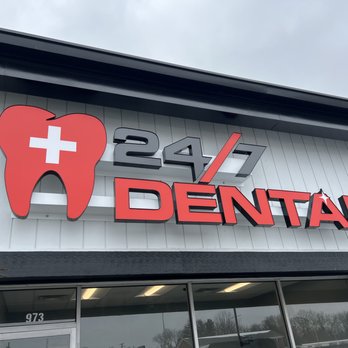
Dedicated 24/7 dental clinics are becoming increasingly common, particularly in larger metropolitan areas. These clinics are specifically designed to handle dental emergencies, staffed by dentists trained to deal with acute problems. Another option is to check if your regular dentist offers on-call services or has an arrangement with a local emergency dental provider. Many dentists rotate after-hours coverage.
Cost is a significant factor to consider. Emergency dental care is almost always more expensive than routine appointments. This is due to the after-hours nature of the care, the urgency of the situation, and the potential need for specialized equipment or procedures. Expect to pay a consultation fee on top of the cost of any treatment you receive.
Before heading to a clinic, verify its credentials and ensure the dentists are licensed and qualified. Also, confirm whether they accept your dental insurance. Don’t hesitate to ask about payment options upfront. Resources like the American Dental Association website (ada.org) can help you locate dentists in your area, though they don’t specifically list 24/7 providers. A quick online search using terms like 'emergency dentist [your city]' is a good starting point.
- Hospital ERs: Best for jaw fractures or heavy bleeding, but they rarely have a dentist on staff to fix a tooth.
- 24/7 Dental Clinics: Best option for dedicated emergency dental care.
- Dentist On-Call Services: Check with your regular dentist for after-hours availability.
What happens at the emergency visit
Walking into an emergency dental clinic can be stressful, so understanding the process can help ease your anxiety. The first step is typically an initial assessment, where the dentist will ask about your symptoms and medical history. Expect a thorough examination of your mouth to determine the cause and severity of the problem.
X-rays are almost always necessary to get a clear picture of what’s happening beneath the surface. These help the dentist diagnose the issue accurately and plan the appropriate treatment. Pain management is a priority. The dentist will likely offer local anesthesia to numb the area before beginning any procedures.
Emergency dental care often focuses on stopping the immediate problem, not necessarily providing a permanent solution. For example, a root canal might be started to relieve pain and control infection, but the full procedure will likely need to be completed during a follow-up appointment. A temporary filling might be placed to protect a cracked tooth until a crown can be fabricated.
Be prepared for the possibility of multiple appointments. Emergency treatment is often a first step, and follow-up care is crucial to ensure the problem is fully resolved and to prevent future complications. Don't hesitate to ask questions throughout the process – a good dentist will explain everything clearly and address your concerns.
Common Dental Emergencies & First Aid
Knowing how to respond in the moments following a dental injury can significantly improve the outcome. Let’s break down some common emergencies and the immediate steps you can take. If a tooth is knocked out, time is of the essence. Gently rinse the tooth with milk or saline solution (never water). Try to re-implant it in the socket, holding it in place by biting down on a clean cloth. If you can’t re-implant it, store it in milk and get to a dentist immediately.
For a chipped or cracked tooth, rinse your mouth with warm water and apply a cold compress to reduce swelling. If the chip is small, you might be able to temporarily cover it with dental wax (available at most pharmacies). A lost filling or crown should be addressed quickly to prevent further damage and sensitivity. Avoid chewing on the affected side.
An abscess – a pocket of pus caused by infection – is a serious emergency. Signs include severe pain, swelling, fever, and a bad taste in your mouth. Do not attempt to drain the abscess yourself. Seek immediate dental or medical attention. Severe toothache, even without visible damage, requires prompt evaluation. Over-the-counter pain relievers can provide temporary relief, but they won’t address the underlying cause.
Soft tissue injuries, like cuts or bites to the gums or tongue, should be rinsed thoroughly with warm water. Apply gentle pressure to stop the bleeding. If the bleeding doesn’t stop after 15-20 minutes, or if the injury is severe, seek medical attention. Remember, these first aid measures are temporary. They are meant to stabilize the situation until you can see a dentist.
- Knocked-Out Tooth: Rinse, re-implant (if possible), or store in milk.
- Chipped/Cracked Tooth: Rinse, cold compress, dental wax (if needed).
- Lost Filling/Crown: Avoid chewing on the affected side.
- Abscess: Seek immediate dental/medical attention – do not self-treat.
- Soft Tissue Injury: Rinse, apply pressure to stop bleeding.
Cost of After-Hours Dental Care
Let's be upfront: emergency dental care can be expensive. The cost varies significantly depending on the nature of the emergency, the location of the clinic, and whether it’s after-hours or a weekend. A simple exam and X-ray can easily run $150-$300, and treatments like root canals or extractions can cost several hundred dollars or more.
Insurance coverage for emergency dental care can be tricky. Most dental insurance plans cover some emergency treatment, but the extent of coverage varies widely. Many plans have annual maximums, deductibles, and co-pays that you’ll be responsible for. Some plans may require pre-authorization for certain procedures.
Dental savings plans are an alternative to traditional insurance. These plans offer discounted rates on dental services from participating dentists. They can be a good option if you don’t have insurance or if your insurance has limited benefits. Financing options, like CareCredit, can also help you manage the cost of emergency dental care by spreading payments over time.
Always ask for a detailed cost estimate before receiving treatment. Don’t be afraid to discuss payment options and explore ways to reduce your out-of-pocket expenses. Understanding the costs involved will help you make informed decisions about your care.
Preventing Future Dental Emergencies
While emergencies can happen unexpectedly, many can be prevented with proactive care. Regular dental checkups are essential. Your dentist can identify potential problems early on, before they escalate into emergencies. Professional cleanings remove plaque and tartar buildup, reducing the risk of cavities and gum disease.
Good oral hygiene practices are the foundation of preventative care. Brush your teeth twice a day with fluoride toothpaste, floss daily, and limit sugary snacks and drinks. A healthy diet contributes to strong teeth and gums. Consider using a mouthguard if you participate in sports or grind your teeth at night.
Habits like chewing on ice, hard candy, or pens can put excessive stress on your teeth, increasing the risk of cracks and fractures. Avoid using your teeth as tools – open packages with scissors, not your teeth. Addressing teeth grinding (bruxism) with a nightguard can protect your teeth from damage.
Proactive care isn’t just about avoiding pain and expense; it’s about maintaining your overall health and well-being. A healthy smile contributes to confidence and allows you to enjoy life to the fullest.
Navigating Dental Insurance for Emergencies
Understanding your dental insurance policy is crucial when facing an emergency. Different types of plans – HMOs, PPOs, and indemnity plans – handle emergency care differently. HMOs typically require you to see a dentist within their network, while PPOs offer more flexibility but may have higher out-of-pocket costs for out-of-network care.
Many plans require pre-authorization for certain emergency procedures, like root canals or extractions. Failure to obtain pre-authorization can result in denied claims. Always check your policy or contact your insurance provider to determine if pre-authorization is required. Out-of-network coverage is often limited, meaning you’ll be responsible for a larger portion of the cost.
If your insurance denies a claim, you have the right to appeal the decision. The appeals process typically involves submitting a written request with supporting documentation, such as a letter from your dentist explaining the medical necessity of the treatment. Keep detailed records of all communication with your insurance provider.
Resources like your insurance company's website and the Department of Insurance in your state can provide valuable information about your rights and coverage options. Don’t hesitate to seek assistance if you’re struggling to navigate the complexities of dental insurance.
No comments yet. Be the first to share your thoughts!