

The shift in pediatric dental care
Pediatric dental care is moving away from just fixing cavities toward stopping them before they start. Most offices now focus on building hygiene habits early while trying to make the chair less scary for kids.
This shift isn't accidental. Parents are more informed and engaged in their children's health than ever before. They expect a comfortable, positive experience for their kids, and they understand the strong connection between oral health and overall well-being. A child’s early experiences with the dentist can shape their attitudes for a lifetime, so practices are responding.
Alongside this focus on patient experience, we’ve seen the initial adoption of digital health records and other technologies designed to streamline care and improve communication. These changes aren’t just about convenience; they’re about creating a more collaborative and effective system of dental health for children.
How digital records are changing the office
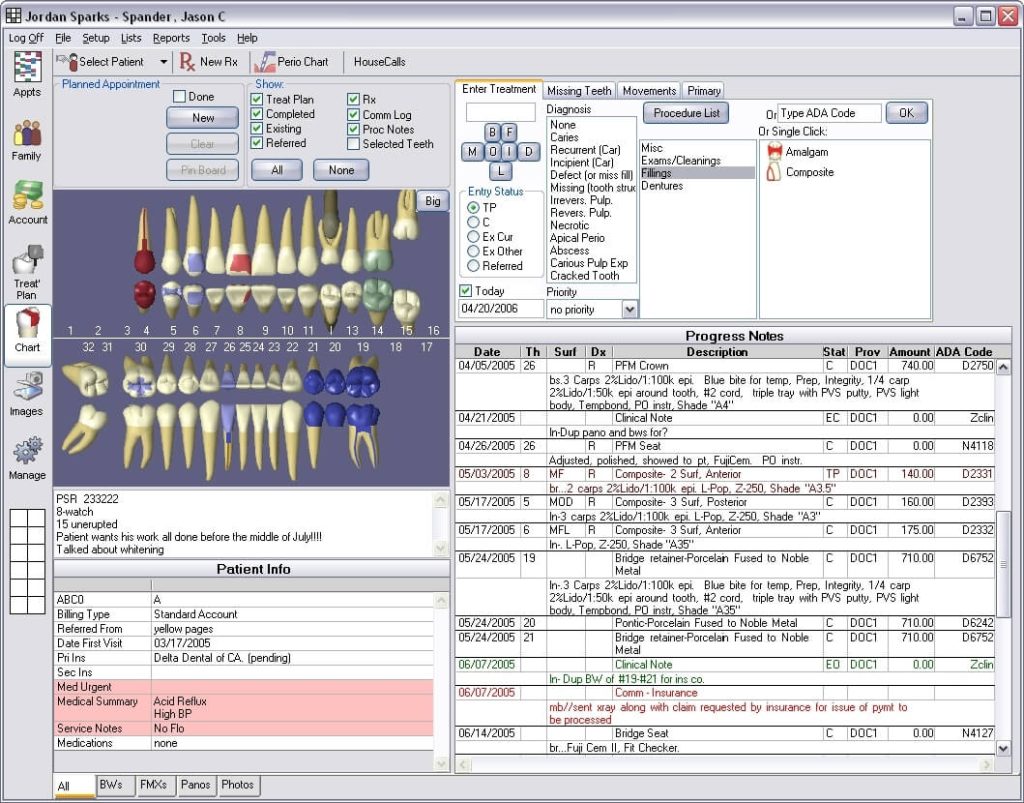
Digital health records (DHRs) are becoming increasingly common in pediatric dentistry, though a complete transition hasn't happened yet. While precise numbers are hard to pin down, surveys suggest around 60% of pediatric dental practices now use some form of electronic record keeping as of late 2023. This is a significant jump from a decade ago, but still leaves a sizable portion using paper-based systems.
For parents, DHRs offer several key advantages. They provide easy access to their child’s dental history, treatment plans, and appointment reminders. Many systems also allow secure messaging with the dentist’s office, streamlining communication and reducing phone tag. It’s a level of transparency and convenience that wasn’t readily available before.
Dentists benefit too. Digital records facilitate better data analysis, allowing them to track trends in patient health and tailor treatments accordingly. They also improve care coordination with other healthcare providers, as records can be easily shared electronically. However, the implementation isn’t without challenges. The initial cost of software and hardware can be substantial, and staff require training to use the new systems effectively.
Concerns about data security and HIPAA compliance are also paramount. Practices must invest in robust security measures to protect sensitive patient information. Interoperability – the ability of different DHR systems to communicate with each other – remains a hurdle, though efforts are underway to establish common standards.
- Parents get faster access to records and easier messaging with the office.
- Benefits for Dentists: Better data analysis, improved care coordination, streamlined billing
Paper vs. Digital Records: A Decision Matrix for Pediatric Dental Practices
| Budget Level | Cost | Security | Accessibility | Data Analysis | Communication |
|---|---|---|---|---|---|
| Low Budget | Good | Fair | Fair | Poor | Fair |
| Medium Budget | Fair | Good | Good | Fair | Good |
| High Budget | Fair | Excellent | Excellent | Good | Excellent |
| Low Budget (Transitioning) | Fair | Fair | Good | Poor | Fair |
| Medium Budget (Transitioning) | Good | Good | Excellent | Fair | Good |
| High Budget (Fully Digital) | Excellent | Excellent | Excellent | Excellent | Excellent |
Illustrative comparison based on the article research brief. Verify current pricing, limits, and product details in the official docs before relying on it.
Tech for nervous patients
Minimizing dental anxiety in children is a top priority for modern pediatric dentists. Behavioral techniques are the foundation of this approach. The "tell-show-do" method, where the dentist explains the procedure, demonstrates it with a tool, and then performs it, is widely used. Positive reinforcement – praising a child for their cooperation – and distraction techniques also play a crucial role.
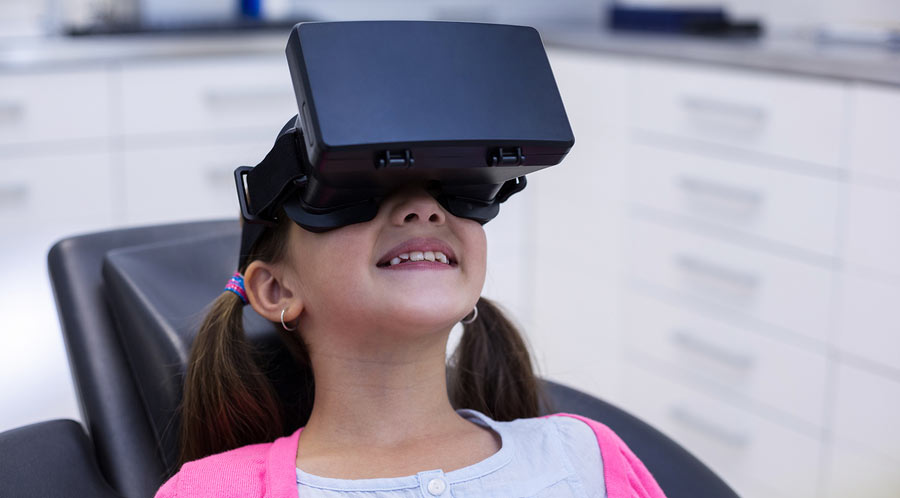
Technology is increasingly being incorporated to enhance these efforts. Virtual reality (VR) headsets are gaining traction, allowing children to immerse themselves in calming or entertaining virtual environments during treatment. Noise-canceling headphones can block out the sounds of the dental drill, and streaming video offers another form of distraction. I’ve seen some promising reports about the effectiveness of VR in reducing perceived pain and anxiety.
The cost of implementing these technologies varies. VR headsets can range from a few hundred to several thousand dollars per unit, and require ongoing maintenance and software updates. While these options aren’t yet universally available, they are becoming more widespread, particularly in larger practices and those specializing in treating children with significant anxiety. Younger children and those with special needs tend to benefit most from these interventions.
Technology is just a tool. It works best when the staff actually knows how to talk to a nervous child. A kid's mood during the appointment matters as much as the cleaning itself.
Using AI for early diagnosis
Artificial intelligence (AI) is beginning to play a role in diagnosing pediatric dental disorders, primarily through image analysis. According to a narrative review published by the National Institutes of Health (PMC, 2023), AI algorithms can now detect cavities in dental radiographs with a high degree of accuracy – sometimes comparable to experienced dentists.
Beyond cavity detection, AI is being used to predict a child’s risk of developing caries (tooth decay) based on factors like diet, oral hygiene habits, and genetic predisposition. This allows dentists to implement preventative measures early on, potentially averting the need for more extensive treatment later. AI can also assist in analyzing growth patterns and identifying potential orthodontic issues.
We shouldn't overstate what AI can do. These systems assist dentists rather than replace them. They need high-quality images to work, and a human still needs to make the final call on a treatment plan.
The data used to train these models also raises concerns about bias. If the dataset is not representative of the broader population, the AI may perform less accurately on certain groups. Careful attention must be paid to data diversity and fairness when developing and deploying these technologies. The ethical implications of AI in healthcare are still being explored.
Finding a 'Good Fit': What Parents Look For
Choosing a pediatric dentist is a significant decision for parents. While insurance coverage is often a primary consideration, it’s rarely the only factor. Parents want a dentist who is not only skilled but also creates a comfortable and welcoming environment for their children. A friendly and patient staff is a major plus.
The office environment itself matters. Is it designed with children in mind – bright colors, playful décor, a dedicated play area? How does the dentist communicate with the child? Do they explain procedures in age-appropriate terms, and do they take the time to address the child’s fears and concerns? A dentist's philosophy of care is also important – do they prioritize preventative care, and are they committed to minimizing discomfort?
Board certification in pediatric dentistry is a strong indicator of a dentist’s expertise. It signifies that the dentist has completed specialized training and passed rigorous examinations. Parents should feel comfortable asking questions during the initial consultation: What is your approach to managing anxious children? What preventative measures do you recommend? What are your fees?
- Look for an office environment that feels like it was built for kids, not just a sterile clinic.
- Important Questions to Ask: Approach to managing anxiety, preventative measures, fees
We are being poisoned.
— Children’s Health Defense (@ChildrensHD) October 1, 2025
The sugar industry FALSIFIED SCIENCE to sell America on fluoride.
🚩 In 2003, Coca-Cola donated $1 million to the American Academy of Pediatric Dentistry, which has a “long-standing policy of promoting water fluoridation.”
🚩 Sugary food and beverage… pic.twitter.com/5ewJas0QDm
New Orleans Spotlight: Local Trends
In New Orleans, pediatric dental practices like NOLA Pediatric Dentistry (nolapediatricdentistry.com) demonstrate a commitment to advanced technology and comprehensive care. They offer services like laser frenectomies and in-office sedation, indicating a willingness to embrace modern techniques for managing discomfort and anxiety.
Several practices in the area also specialize in interceptive orthodontics – early treatment to guide jaw growth and prevent more serious orthodontic problems later on. This focus on early intervention aligns with the broader trend towards preventative care. The unique challenges in New Orleans, such as access to care for underserved populations, are also being addressed through community outreach programs.
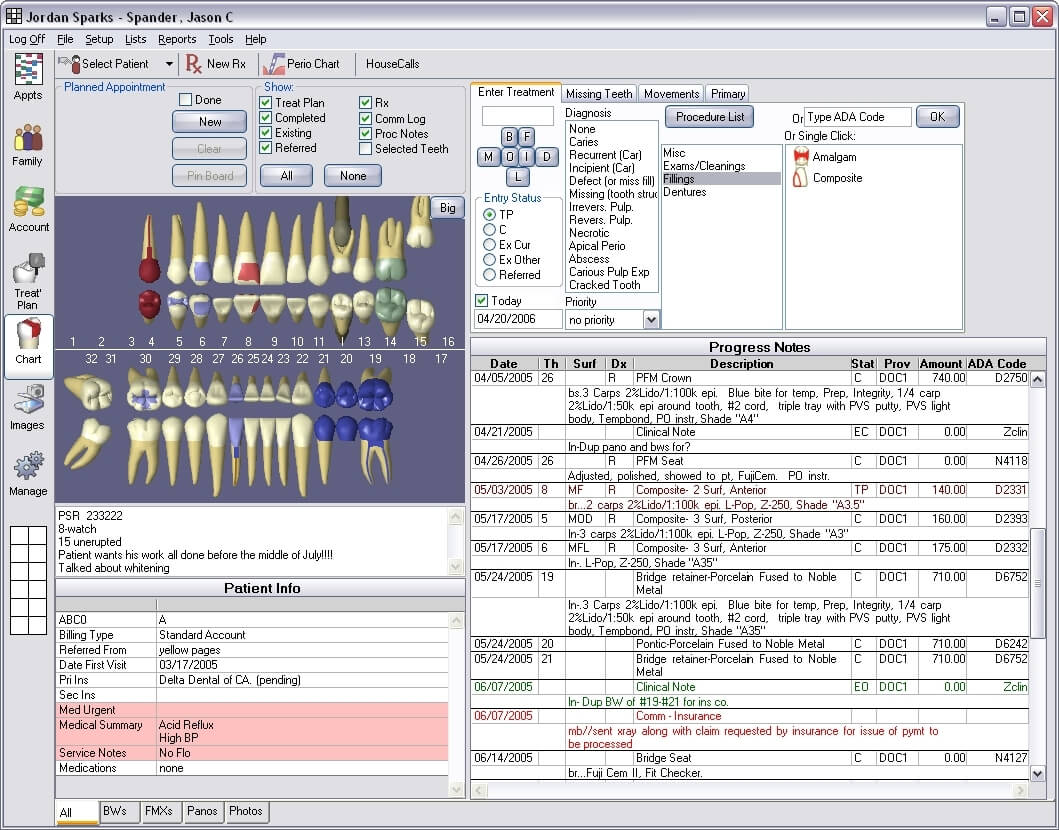
Local practices are increasingly incorporating digital radiography and digital charting, reflecting the growing adoption of digital health records. The emphasis on creating a positive and engaging experience for children is evident in the colorful office décor and the friendly atmosphere reported by patients.
No comments yet. Be the first to share your thoughts!