

The rise of virtual dental visits
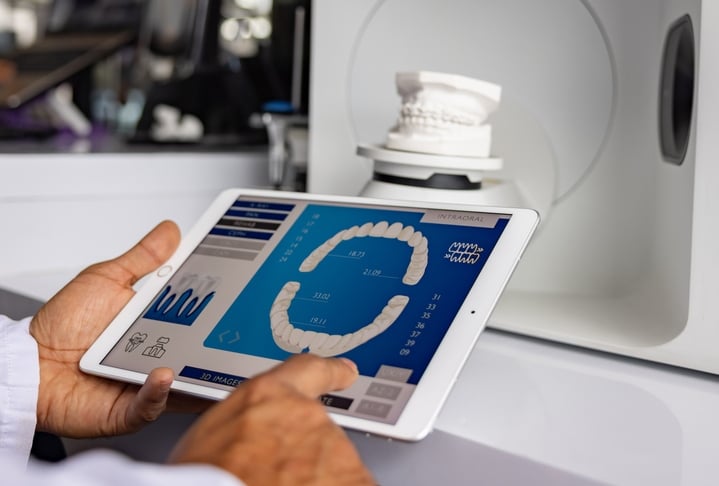
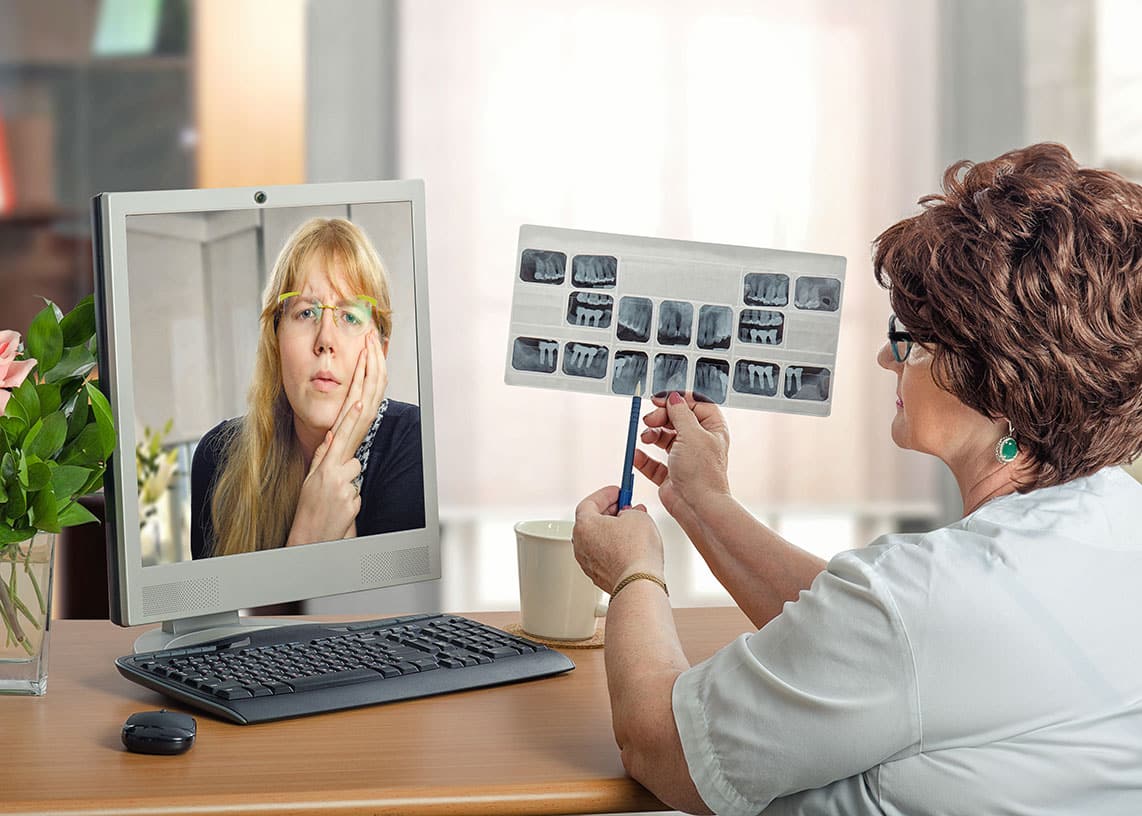
Telehealth dentistry, or virtual dental care, is rapidly becoming a mainstream option for many. It involves using technology – video conferencing, secure messaging, and digital imaging – to connect patients with dentists remotely. This isn’t a fleeting trend born from necessity, though the 2020 pandemic certainly accelerated its adoption. We’re seeing a sustained increase in demand as people recognize the benefits.
The convenience factor is huge. No more taking time off work or school, battling traffic, or finding childcare. Virtual consultations can be done from the comfort of your home, which is particularly appealing for those in rural areas or with limited mobility. Cost is another driver. While not always cheaper, telehealth can reduce expenses related to travel and potentially offer more affordable preventative care options.
A virtual dentist is not going to perform a root canal or a filling through a screen. These visits are for triage—initial screenings, checking on a site after surgery, or getting a prescription for an infection. It is a supplement to your local clinic, not a total replacement.
How to pick a service
Choosing the right teledentistry service requires careful consideration. It’s not a one-size-fits-all situation. First, verify the dentist’s qualifications. Are they licensed to practice in your state? Are they board-certified? This information should be readily available on the service’s website.
Security and HIPAA compliance are paramount. Your dental records contain sensitive personal information, so the platform must adhere to strict privacy regulations. Look for services that use data encryption and secure video conferencing technology. Read their privacy policy carefully to understand how your data is collected, used, and protected.
Consider the scope of services offered. Does the service specialize in emergencies, preventative care, or a specific area of dentistry? Availability is another important factor. Do they offer 24/7 access, or are consultations limited to certain hours? Finally, assess the quality of customer support. Is it easy to get in touch with someone if you have questions or issues?
Top virtual dental services for 2026
The TeleDentists is one of the most reliable options for 24/7 access. They focus on emergency care, which is helpful if you have a sudden toothache at 2 AM and need a quick consultation or a prescription to hold you over until an office opens.
SmileDirectClub (smiledirectclub.com) is primarily known for its aligner therapy, but they also offer virtual consultations with licensed dentists and orthodontists. This can be a good option if you’re considering clear aligners or have questions about orthodontic treatment. However, their focus is narrower than some other providers.
myDentistForLife (mydentistforlife.com) is a Florida-based practice that has expanded to include telehealth options. They offer a more personalized approach, allowing you to connect with a dentist you know and trust. Their service is more geared towards existing patients.
Other services like Cavitas Dental and Virtual Dental Care are also gaining traction. Cavitas Dental provides virtual dental exams and offers a subscription-based model. Virtual Dental Care focuses on preventative care and offers a range of educational resources. Pricing varies significantly between these platforms, with some offering pay-per-visit options and others utilizing subscription models.
When evaluating these services, pay attention to user reviews. Websites like Trustpilot and the Better Business Bureau can provide valuable insights into other patients’ experiences. Consider what's most important to you – 24/7 availability, specialized services, or a personalized approach – and choose a service that aligns with your needs. Insurance coverage varies, so always check with your provider before scheduling a virtual consultation.
Insurance and out-of-pocket costs
Navigating insurance coverage for telehealth dental services can be complicated. Currently, many dental insurance plans do not fully cover virtual consultations, but this is changing. Some plans are beginning to recognize the value of telehealth and offer partial coverage for certain services, like initial screenings or post-operative check-ins. It’s best to contact your insurance provider directly to inquire about their specific policies.
Out-of-pocket costs vary widely depending on the service and the type of consultation. The TeleDentists, for example, typically charges a flat fee per virtual visit, while SmileDirectClub’s consultation fees are bundled with the cost of their aligner therapy. Subscription-based services like Cavitas Dental offer unlimited access for a monthly fee.
Compared to traditional dental visits, telehealth can potentially offer cost savings. You’ll avoid expenses related to travel, parking, and potentially missed work. However, it’s important to factor in the cost of the virtual consultation itself. Ultimately, the cost-effectiveness of telehealth depends on your individual needs and insurance coverage.
Featured Products

High-definition intraoral camera · Includes button driver · Compatible with Eaglesoft and Dexis dental software
This camera provides clear imaging and integrates with popular dental software, facilitating detailed remote examinations.

Wireless intraoral camera · Integrated sonic electric toothbrush · Designed for adult use
This dual-function device allows for both visual inspection and enhanced oral hygiene, offering a comprehensive approach to remote dental care.

13MP resolution · 6 high-brightness white LED lights · Compatible with all dental software
With its high resolution and bright LED illumination, this camera ensures detailed visualization and broad software compatibility for effective telehealth consultations.
High-definition intraoral camera · Includes button driver · Compatible with Eaglesoft and Dexis dental software
This camera provides clear imaging and integrates with popular dental software, facilitating detailed remote examinations.

1920P HD resolution · 8 adjustable LED lights · IP67 waterproof rating
This versatile and waterproof borescope offers high-definition imaging with adjustable lighting and a flexible cable, making it suitable for various inspection needs in remote dental assessments.
As an Amazon Associate I earn from qualifying purchases. Prices may vary.
Privacy and data security
Protecting your personal and dental health information is crucial when using telehealth services. Reputable platforms should be fully HIPAA compliant, meaning they adhere to strict federal regulations regarding the privacy and security of patient data. This includes using data encryption to protect your information during transmission and storage.
Look for services that use secure video conferencing technology. The platform should encrypt your video and audio communication to prevent unauthorized access. Be wary of services that use unsecure communication channels, like standard email or unencrypted messaging apps. The HHS website (telehealth.hhs.gov) provides resources on telehealth security best practices.
As a patient, you have rights regarding your data privacy. You have the right to access your dental records, request corrections, and know how your information is being used. Familiarize yourself with the service’s privacy policy and understand your rights. If you suspect a breach of your data, report it immediately to the service provider and the relevant authorities.
The Future of Virtual Dental Care
We are seeing more AI tools that analyze dental scans to flag cavities or bone loss before a human eye might catch them. This tech is moving into the home, too, with sensors that can track how well you're actually cleaning your teeth.
Remote monitoring devices, such as smart toothbrushes and oral sensors, could provide dentists with real-time data on patients’ oral health. Augmented reality (AR) could enhance virtual consultations, allowing dentists to visualize the patient’s mouth in 3D and provide more precise guidance. These technologies have the potential to improve access to quality dental care, particularly for underserved populations.
While these advancements are promising, it’s important to approach them with a realistic perspective. Telehealth will likely complement, rather than replace, traditional dental care. The human touch and hands-on expertise of a dentist will always be essential for complex procedures and comprehensive oral health management.

No comments yet. Be the first to share your thoughts!