

How virtual dental visits work
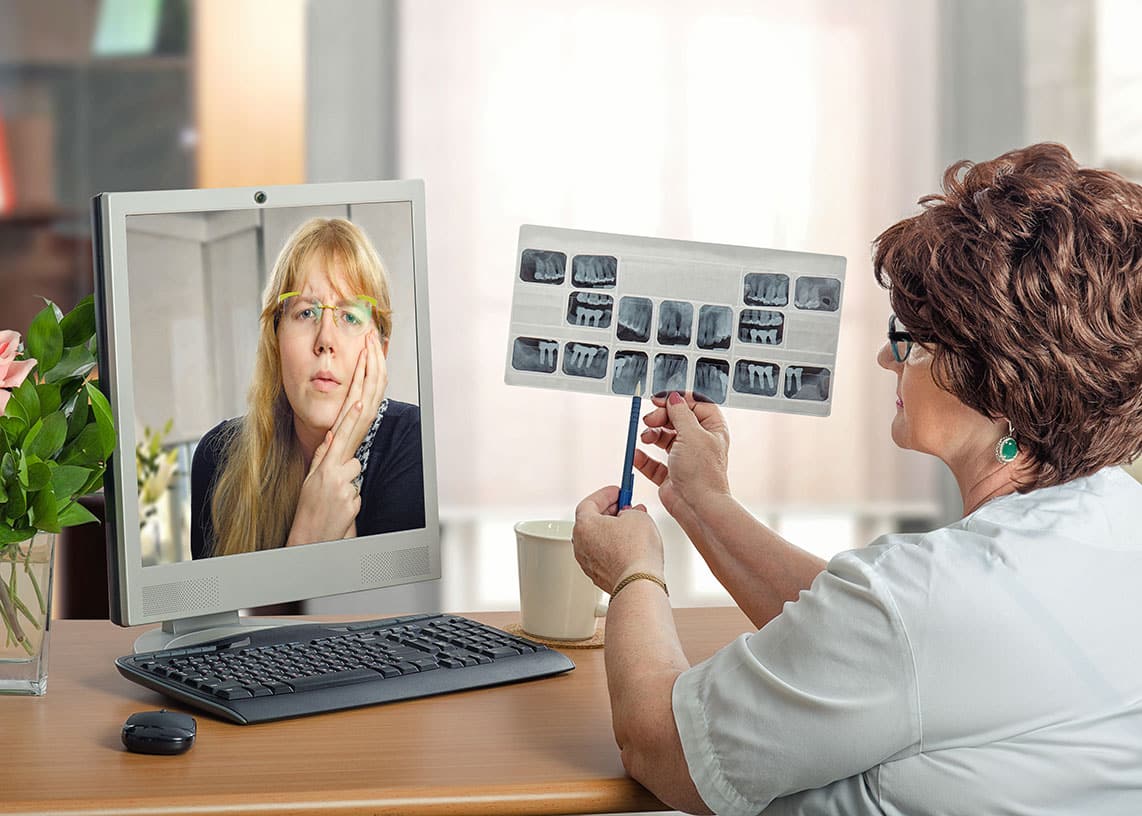
Telehealth dentistry, often called virtual dental consultation, is changing how many people access quality dental care. It’s essentially using technology – video conferencing, secure messaging, and digital image sharing – to connect with a dentist remotely. It’s not about replacing your regular dentist, though. Think of it as a convenient supplement, a way to get advice or triage a problem without always needing an in-person appointment.
The appeal is obvious: convenience. No more time off work, no childcare headaches, and potentially faster access to care. But it’s important to understand what telehealth dentistry isn’t. It’s not suited for all procedures. Complex treatments, cleanings, and anything requiring hands-on examination still require a visit to a traditional dental office.
I think this is a win for anyone in a rural area or with limited mobility. It makes basic dental advice manageable. Just don't expect a screen to replace a drill; it works best as a first step, not the final one.
What a virtual dentist can do
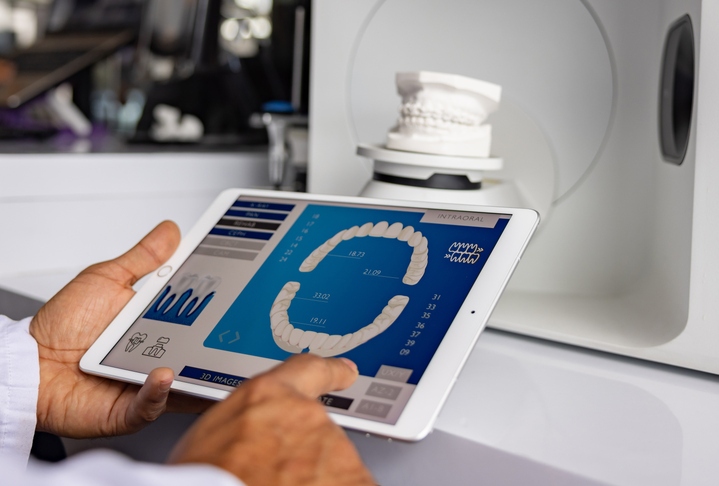
A common misconception is that a virtual dentist can handle everything a traditional dentist can. That's simply not true. Teledentistry excels in certain areas. Emergency triage is a big one – a dentist can assess your situation via video and advise whether you need immediate in-person care, or if a wait-and-see approach is appropriate.
Other common uses include post-operative check-ins, where a dentist can monitor your healing after a procedure. They can also review dental x-rays, offering a second opinion or identifying potential issues. Simple oral health advice – like guidance on brushing and flossing techniques – is also easily delivered virtually. Prescription refills, where legally permissible, are another service offered.
The TeleDentists markets 24/7 emergency care via video or phone. Keep in mind that state laws dictate what these dentists can actually do. In some states, they can write prescriptions easily; in others, they can't. Check your local rules before you pay for a visit.
Top virtual dental services for 2026
The teledentistry market is growing, but options still vary. Here are a few services to consider, keeping in mind information can change. The TeleDentists stands out for its 24/7 availability and focus on emergency care. They offer consultations via mobile app, phone, and web. Pricing information isn’t prominently displayed on their website, so you’ll likely need to contact them directly for details.
Absolute Dental offers remote teledentistry services alongside their traditional in-person care. They’re currently advertising a limited-time special on Curodont® treatment for early tooth decay – $99 per tooth when booked by April 17th. Their service areas are primarily concentrated in Nevada (Carson City, Las Vegas, Reno, Sparks, Minden). Again, detailed pricing for virtual consultations isn’t readily available.
Other services to investigate include those offered through Delta Dental. While not a direct service provider, Delta Dental is actively promoting the use of teledentistry and has resources for finding participating dentists. Several smaller, regional services also exist, but their coverage areas and service offerings may be limited. It’s important to do your research and compare options.
Several newer companies are entering the space, focusing on specific niches like orthodontics or pediatric dentistry. These options are worth exploring if you have unique needs. However, be cautious and thoroughly vet any new service before entrusting them with your dental care. I recommend checking online reviews and verifying their credentials.
Insurance and payment
Insurance coverage for teledentistry is a bit of a wild card. It varies significantly by plan and state. Some insurance companies are starting to cover virtual consultations, particularly for emergency triage or follow-up care. However, many plans still don’t offer comprehensive coverage.
You’ll need to check with your specific insurance provider to determine what’s covered. Don’t assume that just because telehealth is becoming more common, your plan automatically includes teledentistry benefits. Common payment options for teledentistry services include out-of-pocket payment, credit card, and sometimes, health savings account (HSA) funds.
Insurance coverage is changing, but for now, expect to pay out-of-pocket. Save your receipts for tax time or in case your provider decides to reimburse you later.
Essential Oral Care Tools for Your Virtual Dental Visit

Pressure sensor alerts you when you're brushing too hard · Two-minute timer ensures recommended brushing time · Removes up to 7x more plaque than a manual toothbrush
This electric toothbrush is recommended for its effective plaque removal and pressure sensor, helping to ensure proper brushing technique during remote oral care.

Features 10 pressure settings for a customized clean · Includes 7 water flosser tips for various needs · ADA Accepted for its effectiveness in removing plaque and reducing gingivitis
The Waterpik Aquarius is recommended for its ability to thoroughly clean between teeth and below the gumline, which is crucial for maintaining gum health between virtual dental appointments.
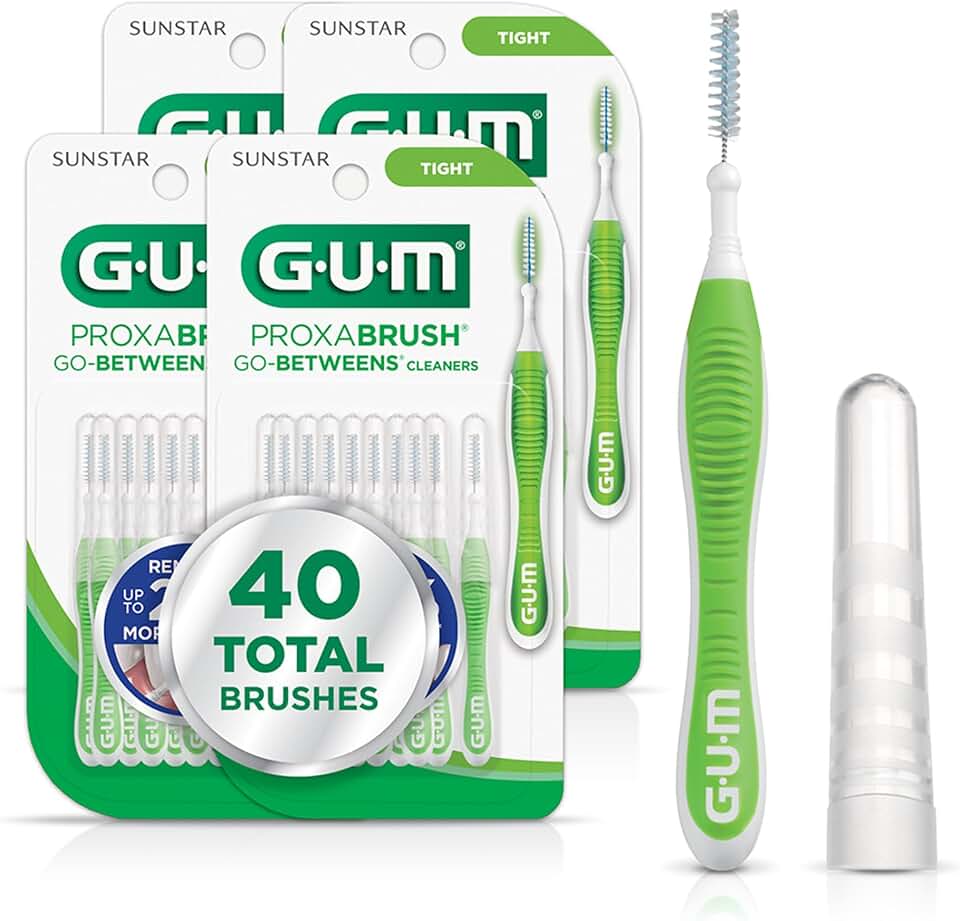
Designed for cleaning tight spaces between teeth · Soft bristles effectively remove plaque · Suitable for use with braces and dental devices
These interdental brushes are recommended for their ability to reach tight areas that traditional brushing and flossing may miss, aiding in plaque removal as advised during telehealth check-ins.

Provides advanced deep cleaning action · Fights plaque and gingivitis · Offers protection against cavities and enamel erosion
This toothpaste is recommended for its comprehensive oral health benefits, including plaque and gingivitis control, which are important discussion points during virtual dental consultations.

Formulated to help prevent gingivitis and support gum health · Alcohol-free formula · Dentist-formulated for effective results
This oral rinse is recommended for its antigingivitis properties and ability to promote gum health, providing a convenient way to enhance oral hygiene as guided by your virtual dentist.
As an Amazon Associate I earn from qualifying purchases. Prices may vary.
Security and privacy
Given that you’re sharing sensitive personal and medical information, data security and privacy are paramount. Reputable teledentistry services prioritize protecting your data. Look for services that use secure video platforms, encrypt your data both in transit and at rest, and comply with HIPAA regulations.
A good service will have a clear privacy policy outlining how they collect, use, and protect your information. They should also have robust security measures in place to prevent unauthorized access to your data. Be wary of services that don’t seem transparent about their security practices.
As a patient, you can also take steps to protect your privacy. Use a strong password, be mindful of your surroundings during a video consultation, and avoid sharing sensitive information over public Wi-Fi networks. If you have any concerns about a service’s security practices, don’t hesitate to ask questions.
Teledentistry in senior care
Teledentistry is proving to be particularly valuable in senior care facilities and assisted living communities. Many seniors have difficulty traveling to traditional dental appointments, whether due to mobility issues, transportation challenges, or cognitive impairment. Bringing dental care directly to them via teledentistry can significantly improve their access to care.
The TeleDentists specifically caters to this need, offering tailored services for senior care facilities. They can provide virtual consultations, oral health assessments, and even remote monitoring of dental health. This can help identify potential problems early on and prevent more serious issues from developing.
This is especially important because seniors are at higher risk for oral health problems like gum disease and tooth decay. Regular dental care is essential for maintaining their overall health and well-being. Teledentistry offers a convenient and cost-effective way to deliver that care to a vulnerable population. It improves quality of life and reduces the burden on caregivers.

No comments yet. Be the first to share your thoughts!